
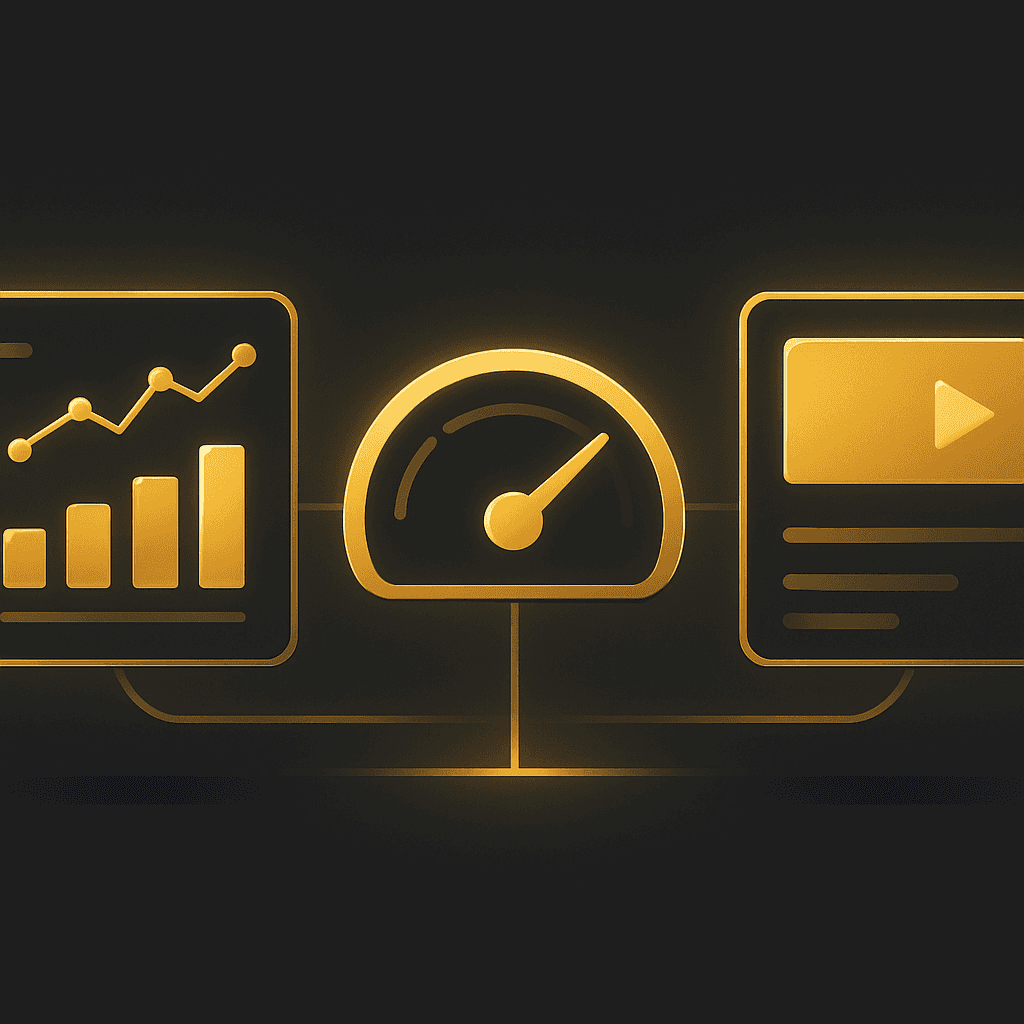
The world of marketing technology can feel overwhelming, with thousands of tools competing for attention. But you do not need a sprawling stack to succeed. In fact, focusing on three essential categories of tools can deliver the majority of the value while keeping your operations lean and manageable. This guide breaks down the three tool types every business should master and how to use them effectively.
AAMAX.CO Builds and Manages Your Marketing Stack
Choosing and integrating the right tools takes expertise, and AAMAX.CO can handle that for you. They are a full-service digital marketing company offering web development, digital marketing, and SEO services worldwide. Their team helps businesses select, configure, and operate the tools that match their goals, so you get the benefits of a powerful marketing stack without the complexity of managing it alone.
Tool Category One: Analytics and Measurement
The foundation of any effective marketing program is measurement. Analytics tools track how visitors find your website, what they do once they arrive, and which actions lead to conversions. Without this visibility, you are flying blind, unable to know what works or where to improve. Analytics turns raw activity into actionable insight.
A good analytics setup answers critical questions: Which channels drive the most valuable traffic? Where do visitors drop off in your funnel? Which pages convert best? Armed with these answers, you can allocate budget wisely and continuously refine your approach. Strong measurement underpins every successful digital marketing strategy, transforming guesswork into informed decision-making.
To get the most from analytics, define clear goals and track the metrics that matter to your business. Vanity metrics like raw pageviews are less useful than conversion-focused metrics like cost per acquisition and return on investment. Set up proper tracking from the start, and review your data regularly to spot trends and opportunities.
Tool Category Two: Search and SEO Platforms
The second essential category covers tools that help you improve organic visibility. SEO platforms reveal what your audience is searching for, how your site performs in search results, and where opportunities for improvement lie. They handle keyword research, rank tracking, technical audits, and competitor analysis, giving you a complete picture of your search landscape.
These tools are invaluable for building a sustainable traffic foundation. By identifying high-value keywords and uncovering technical issues, they guide the work that drives long-term organic growth. A disciplined approach to search engine optimization, powered by the right platforms, helps you climb the rankings and attract qualified visitors without paying for every click.
The key to using SEO tools well is to act on their insights consistently. Keyword research is only valuable if it informs content creation. Technical audits matter only if you fix the issues they uncover. Treat these tools as a guide for ongoing action rather than a source of reports that sit unused.
Tool Category Three: Advertising and Campaign Management
The third essential category covers tools for managing paid advertising. These platforms let you create, target, optimize, and measure campaigns across search and social channels. Paid advertising delivers immediate, scalable traffic, complementing the slower-building results of organic strategies.
Effective campaign management tools enable precise targeting, budget control, and real-time optimization. Running successful Google ads campaigns, for example, requires tools to research keywords, structure campaigns, test ad variations, and track conversions. The ability to adjust bids and creative based on performance data is what separates profitable campaigns from wasted spend.
To maximize the value of advertising tools, start with clear objectives and tight targeting. Test multiple variations of your ads and landing pages, then scale what works and cut what does not. Continuous optimization, guided by data from your campaign management tools, is the path to efficient, profitable paid marketing.
Making the Three Tools Work Together
The real power emerges when these three categories integrate. Analytics reveals what is working, SEO tools build organic traffic, and advertising platforms deliver immediate reach. Together, they create a feedback loop: insights from analytics inform both SEO and advertising, while results from those channels feed back into your measurement.
This integration prevents the common mistake of treating channels in isolation. A keyword that performs well in paid search might be worth targeting organically. A landing page that converts well in advertising can inform your broader content strategy. By connecting your tools, you create a cohesive system rather than a collection of disconnected tactics.
Keeping Your Stack Lean and Effective
It is tempting to add more tools in pursuit of marginal gains, but complexity has costs. Each new tool requires time to learn, money to maintain, and effort to integrate. For most businesses, mastering these three core categories delivers the vast majority of the value. Focus on using a few tools well rather than many tools poorly.
Conclusion
You do not need an overwhelming technology stack to run effective marketing. By mastering three essential categories, analytics, SEO platforms, and advertising tools, you can measure performance, build organic visibility, and drive immediate results. When these tools work together, they form a powerful, lean system that delivers measurable growth. Focus on depth over breadth, and you will accomplish more with less.
Want to publish a guest post on aamconsultants.org?
Place an order for a guest post or link insertion today.