
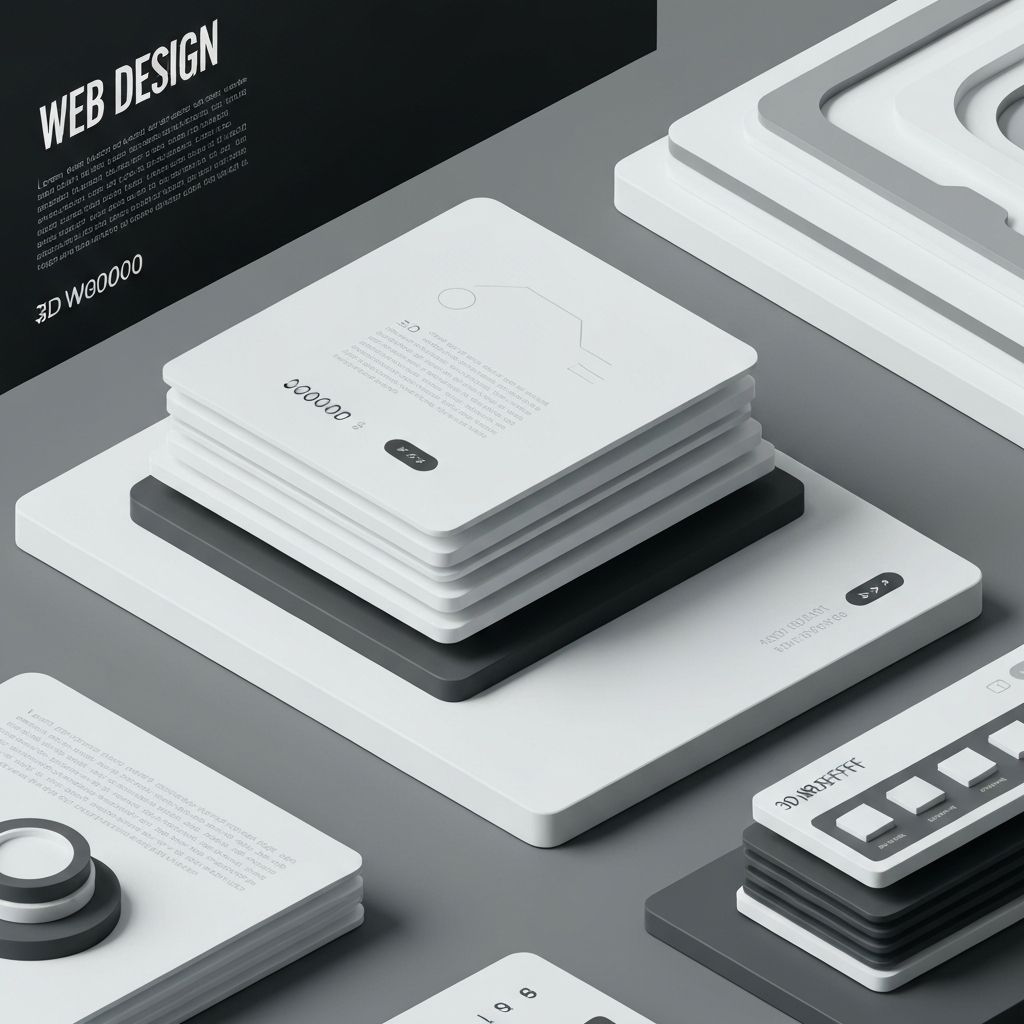
The Rise of 3D Web Design Templates
3D web design templates are pre-built layouts that incorporate three-dimensional elements such as floating objects, interactive models, depth-driven scenes, and immersive scrolling effects. Once limited to high-end agency builds, 3D design has become accessible to small businesses, startups, and freelancers thanks to lighter rendering libraries, faster browsers, and ready-to-use templates. These templates deliver a premium feel that flat design simply cannot match.
From product showcases to portfolio sites, 3D templates help brands tell richer stories. They guide users through scenes, reveal features through motion, and create memorable interactions that improve dwell time and conversions. As browser performance continues to improve, expect 3D experiences to become a standard expectation for modern, high-impact websites.
Hire AAMAX.CO to Customize 3D Web Templates
If you want to launch a stunning 3D website without starting from scratch, you can hire AAMAX.CO for professional website design and development services. They are a full-service digital marketing company that helps clients worldwide adapt premium 3D templates to fit their brand, optimize them for speed, and integrate them with marketing and SEO strategies. Their team understands how to balance visual wow factor with the technical requirements of modern web performance.
Popular Use Cases for 3D Templates
3D templates shine in industries where visual storytelling drives sales. Product-based brands use them to display items from every angle, allowing customers to rotate, zoom, and explore details. SaaS companies leverage 3D dashboards and animations to communicate complex features. Creative agencies and portfolios use immersive scenes to demonstrate craft and capability.
Real estate, automotive, fashion, and gaming sites also benefit greatly. A car brand can let visitors customize colors and rims in real time. A real estate company can offer 3D walkthroughs of properties. The depth and interactivity create emotional engagement that flat images and videos struggle to deliver.
Technologies Behind 3D Web Templates
Most modern 3D web templates rely on WebGL, the browser-native graphics standard. Libraries like Three.js, Babylon.js, and React Three Fiber abstract WebGL complexity, making it easier for developers to build performant 3D scenes. Tools such as Spline and Lottie allow designers to create animations and 3D assets without writing code, then export them for direct use on the web.
Performance optimization is critical. Templates should support compressed model formats like glTF and Draco, lazy load heavy assets, and gracefully fall back to 2D versions on slower devices. Good templates also include accessibility considerations, such as reduced motion preferences and keyboard navigation alternatives.
Choosing the Right 3D Template
When evaluating 3D web design templates, prioritize three factors: visual quality, performance, and customization flexibility. Visual quality includes lighting, materials, and animation polish. Performance means smooth frame rates, fast initial loads, and mobile compatibility. Flexibility refers to how easily you can swap models, change colors, and edit copy without breaking the experience.
Check the template's documentation, browser compatibility list, and support for modern frameworks like Next.js, Nuxt, or Astro. Look for templates with clean code, modular components, and clear instructions for replacing assets. Avoid templates that bundle heavy unused libraries, as they can hurt Core Web Vitals scores.
Customizing 3D Templates for Your Brand
The biggest advantage of templates is speed, but customization is what makes the site feel uniquely yours. Replace stock 3D models with branded shapes or product renders. Adjust lighting and color palettes to match your visual identity. Tailor scroll-driven animations to match your storytelling pace and key conversion moments.
Typography and copy still matter in 3D experiences. Pair immersive visuals with clear headlines, concise messaging, and strong calls to action. Without thoughtful copy, even the most beautiful 3D template will fail to convert visitors into customers.
Performance and SEO Considerations
3D experiences can be heavy, so optimization is non-negotiable. Compress models, use lower-poly versions where possible, and stream assets progressively. Implement loading states so users see meaningful content quickly. Use server-side rendering or static generation for the surrounding HTML to keep SEO strong, since search engines may not fully index 3D content rendered purely in WebGL.
Add proper meta tags, structured data, and accessible text alternatives. Combined with high-performance website development, your 3D site can rank well, load fast, and impress users at the same time. Done correctly, a 3D template becomes more than eye candy. It becomes a strategic asset that elevates your brand and drives measurable business results.
Want to publish a guest post on aamconsultants.org?
Place an order for a guest post or link insertion today.