
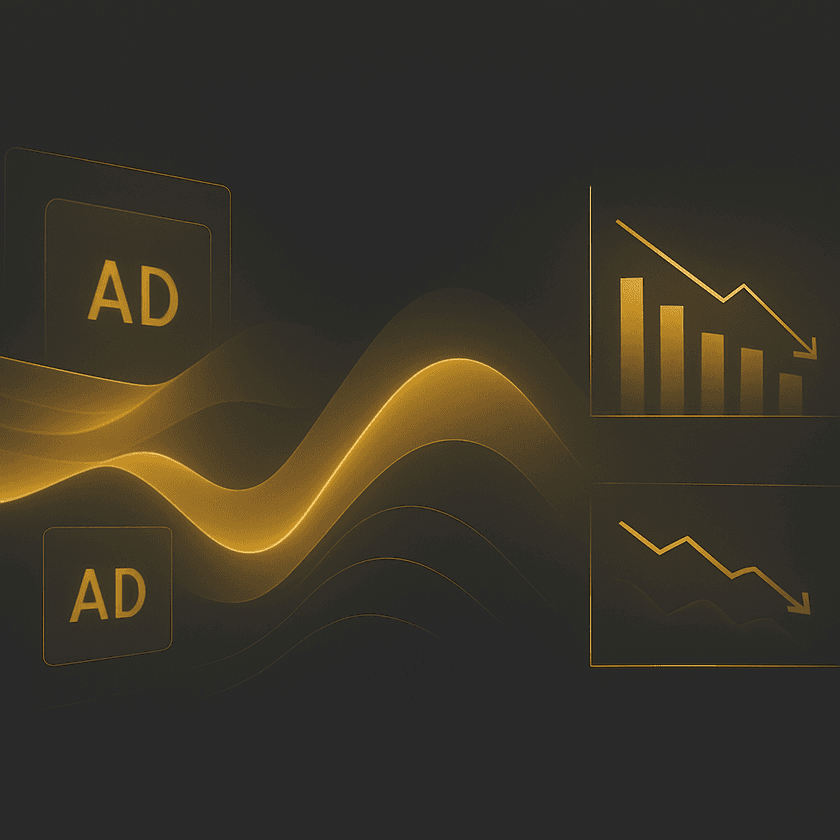
Even the best-performing ad eventually loses its power. Ad fatigue in digital marketing occurs when an audience sees the same advertisement so many times that they stop responding to it. Click-through rates drop, engagement declines, and costs rise as the message grows stale. Understanding ad fatigue is essential for any marketer running paid campaigns, because recognizing and addressing it early protects both performance and budget. With the right strategies, fatigue can be prevented or reversed, keeping campaigns fresh and effective.
How AAMAX.CO Keeps Campaigns Fresh
AAMAX.CO is a full service digital marketing company offering web development, digital marketing, and SEO services worldwide, and they help businesses combat ad fatigue with creative, data-driven campaign management. Their team continuously monitors performance, refreshes creative, and refines targeting to keep audiences engaged. By applying their expertise in digital marketing, they ensure campaigns maintain strong results rather than fading as audiences grow tired of repetitive messaging.
Recognizing the Signs
Ad fatigue reveals itself through measurable warning signs. Declining click-through rates, rising cost per click, falling engagement, and increasing frequency all point to an audience that has seen an ad too often. Monitoring these metrics closely allows marketers to act before performance collapses. Tracking frequency, the average number of times each person sees an ad, is especially useful for catching fatigue before it drains the budget.
Why Fatigue Happens
Fatigue is a natural result of repetition. When an audience is small or a campaign runs too long without changes, people see the same creative repeatedly and tune it out. This is common in tightly targeted Google ads campaigns where the audience pool is limited. Understanding the relationship between audience size, budget, and frequency helps marketers plan campaigns that sustain engagement over time.
Refreshing Your Creative
The most effective remedy for ad fatigue is fresh creative. Rotating new images, videos, headlines, and offers gives audiences something new to respond to. Testing multiple variations keeps campaigns dynamic and reveals which messages resonate most. Coordinating ad creative with broader social media marketing efforts ensures consistent branding while still offering variety. Regular creative refreshes are one of the simplest ways to maintain performance.
Expanding and Refining Audiences
Sometimes fatigue signals that an audience has been saturated. Expanding targeting to reach new prospects, or refining it to focus on the most responsive segments, can revive a campaign. Lookalike audiences and broadened targeting introduce fresh eyes, while exclusion lists prevent over-serving ads to people who have already converted. Balancing reach and relevance keeps campaigns healthy and cost-effective.
Balancing Paid and Organic
Relying solely on paid ads makes fatigue harder to manage. A balanced strategy that includes organic channels reduces pressure on any single tactic. Strong search engine optimization builds sustainable traffic that does not suffer from fatigue the way repetitive ads do. Combining paid and organic efforts creates a more resilient marketing mix that delivers consistent results without overexposing audiences.
The Cost of Ignoring Fatigue
Failing to address ad fatigue does more than waste budget; it can actively harm a brand. When audiences see the same ad too many times, irritation can replace interest, creating negative associations with the brand itself. Rising costs and falling returns erode the efficiency of an entire marketing program, and the damage compounds the longer fatigue goes unaddressed. Marketers who ignore the warning signs often find themselves pouring money into campaigns that no longer perform. Recognizing fatigue early and acting decisively protects both the budget and the brand's reputation, preserving the goodwill that effective advertising is meant to build.
Planning for Long-Term Freshness
The smartest approach to ad fatigue is prevention through planning. Building a library of creative assets in advance allows for regular rotation before fatigue sets in. Establishing a schedule for refreshing creative, reviewing performance, and testing new concepts keeps campaigns dynamic by design rather than reactive by necessity. Setting frequency caps prevents over-serving ads to the same people, while a steady stream of fresh ideas keeps audiences engaged. By treating creative renewal as an ongoing discipline rather than an emergency response, marketers maintain strong performance and sustainable returns over the long term.
Conclusion
Ad fatigue is an inevitable challenge in paid advertising, but it is entirely manageable with vigilance and the right strategies. By monitoring performance, refreshing creative, refining audiences, and balancing channels, marketers keep campaigns effective and budgets efficient. Partnering with an experienced team like AAMAX.CO ensures campaigns stay fresh, engaging, and profitable over the long term.
Want to publish a guest post on aamconsultants.org?
Place an order for a guest post or link insertion today.