
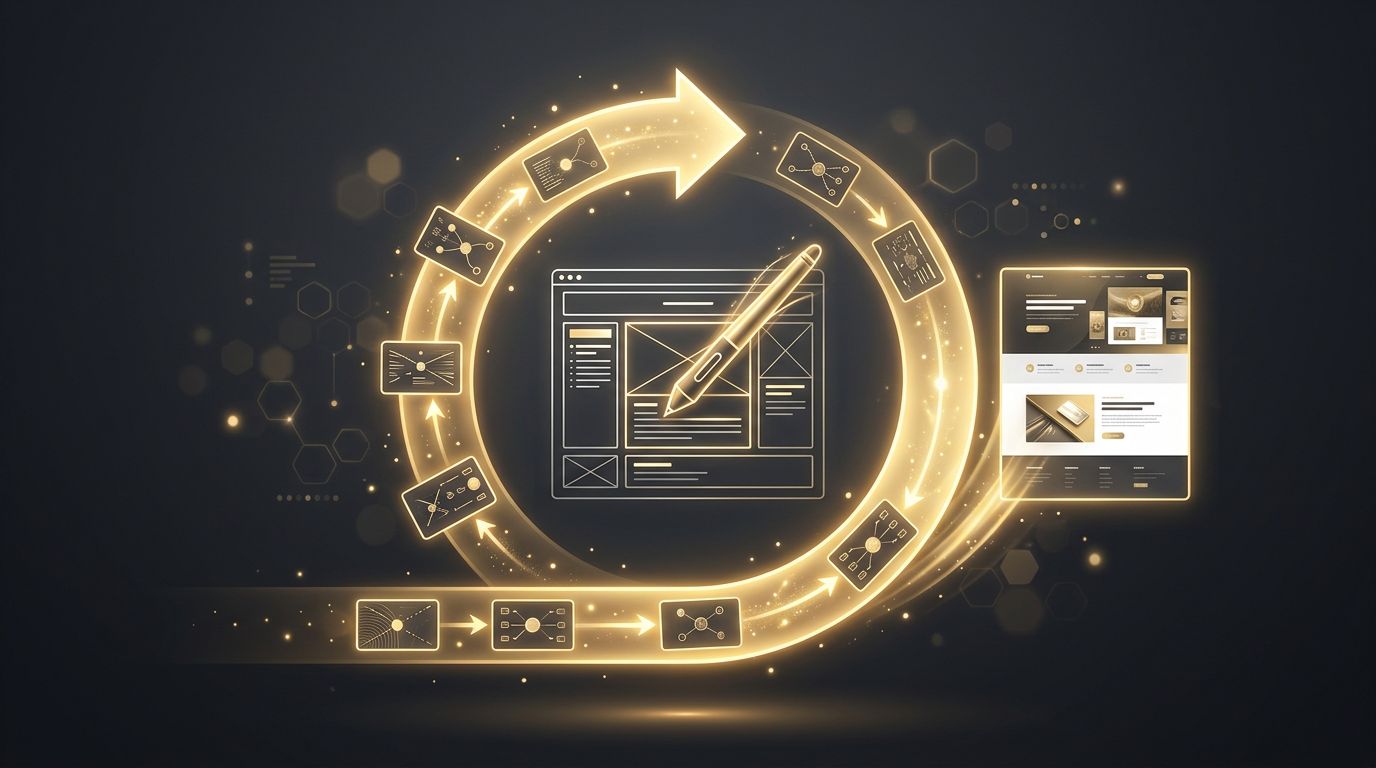
Traditional web development projects often follow a rigid, linear process: gather requirements, build everything, then reveal the finished product. Unfortunately, this approach frequently leads to missed expectations, costly revisions, and websites that do not truly serve users. An agile design-first approach to web development services offers a better way. By putting user experience and visual design at the forefront and delivering work in short, iterative cycles, teams can validate ideas early, adapt to feedback, and build websites that align with both user needs and business objectives.
How AAMAX.CO Applies a Design-First, Agile Mindset
Businesses that value collaboration and user-centered outcomes can benefit from working with AAMAX.CO. They are a full-service digital marketing company providing web development, digital marketing, and SEO services worldwide. Their team embraces design thinking and iterative development, involving clients throughout the process so feedback shapes the final product. By prioritizing user experience early and refining it continuously, they reduce the risk of costly rework and deliver websites that look exceptional, perform well, and convert visitors into customers.
What Is a Design-First Approach?
A design-first approach means that user experience and visual design are defined before major development begins. Teams start by understanding users, mapping journeys, and creating wireframes and prototypes. These artifacts serve as a blueprint for development, ensuring that every feature has a clear purpose and every interaction is intentional. Professional website design becomes the foundation upon which development is built, rather than an afterthought.
What Does Agile Mean in Web Development?
Agile is a project management philosophy that emphasizes flexibility, collaboration, and incremental delivery. Instead of building the entire website at once, agile teams work in short cycles called sprints, typically lasting one to two weeks. At the end of each sprint, the team delivers a working piece of the product, gathers feedback, and adjusts priorities. This iterative process allows projects to evolve as new insights emerge.
Combining Design-First and Agile
When design-first principles are combined with agile methods, the result is a powerful, user-centered workflow. Design work typically runs one sprint ahead of development, so developers always have validated designs ready to build. Stakeholders review prototypes and working features regularly, providing feedback that is incorporated into the next iteration. This approach ensures continuous alignment between design intent, technical implementation, and business goals.
The Process in Practice
1. Discovery and Research
Teams conduct stakeholder interviews, user research, competitor analysis, and analytics review to understand goals and audience needs.
2. User Journeys and Information Architecture
Designers map how users will navigate the site, defining page structure, content hierarchy, and key conversion paths.
3. Wireframes and Prototypes
Low-fidelity wireframes outline layouts, while interactive prototypes simulate the user experience. These are tested with real users to identify usability issues early.
4. Visual Design and Design Systems
Designers create high-fidelity mockups and reusable design systems with components, colors, typography, and spacing guidelines that ensure consistency.
5. Iterative Development Sprints
Developers build features sprint by sprint, starting with the highest-priority elements. Each sprint ends with a review and demo.
6. Testing and Feedback
Continuous testing, including usability testing, QA, and performance checks, ensures each increment meets quality standards.
7. Launch and Continuous Improvement
After launch, analytics and user feedback guide ongoing improvements, keeping the website aligned with evolving needs.
Benefits of an Agile Design-First Approach
Reduced risk: Early validation of designs prevents costly changes during development. Better user experience: User research and testing ensure the website meets real needs. Faster time to value: Prioritized features can launch sooner, delivering benefits earlier. Greater flexibility: Teams can adapt to changing requirements or market conditions. Stronger collaboration: Regular reviews keep stakeholders engaged and informed. Higher quality: Continuous testing catches issues early, improving overall reliability.
Common Challenges and How to Overcome Them
Agile requires active stakeholder participation, which can be challenging for busy teams. Setting a regular review schedule helps maintain engagement. Scope can expand if not managed carefully, so maintaining a prioritized backlog is essential. Design and development must stay synchronized; a shared design system and close communication between designers and developers solve this issue.
Is This Approach Right for Your Project?
An agile design-first approach works well for most web projects, especially those with evolving requirements, complex user journeys, or high stakes for user experience. E-commerce sites, SaaS platforms, corporate websites, and web applications all benefit from this methodology. Even smaller projects gain from early design validation and iterative feedback.
Tools That Support Agile Design-First Teams
Modern collaboration tools make this methodology easier to adopt. Design platforms like Figma allow designers to share interactive prototypes and gather comments directly on the work. Project management tools such as Jira, Linear, or Trello keep backlogs organized and sprint goals visible. Shared component libraries connect design systems to coded components, reducing inconsistencies between mockups and the live site. Video calls and asynchronous updates keep distributed teams aligned. When the right tools support a clear process, collaboration becomes faster, more transparent, and far more productive.
Conclusion
An agile design-first approach to web development services produces websites that are user-centered, flexible, and aligned with business goals. By validating designs early and delivering work iteratively, teams reduce risk, improve quality, and create digital experiences users love. For businesses seeking a smarter path to a successful website, this methodology offers a proven framework for success.
Want to publish a guest post on aamconsultants.org?
Place an order for a guest post or link insertion today.