
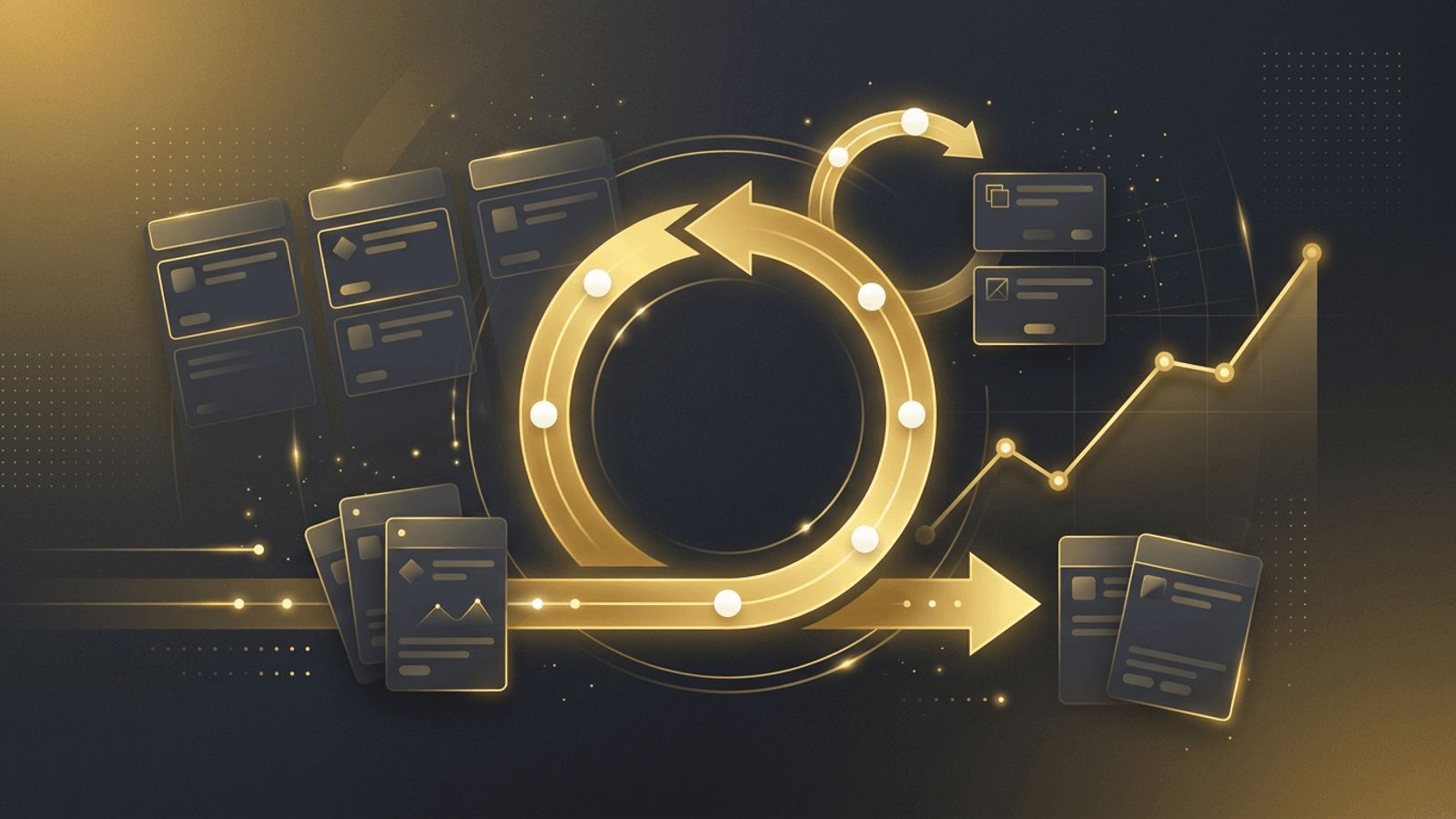
Traditional web projects often follow a rigid plan: gather every requirement upfront, design everything, build everything, and then launch months later. By the time the site goes live, business priorities may have changed, and costly revisions follow. Agile development offers a better approach. An agile web development agency works in short, iterative cycles, delivering functional pieces of a project frequently and adapting based on feedback. The result is faster value, lower risk, and a final product that truly matches business needs.
How AAMAX.CO Applies Agile Principles to Web Projects
Organizations that value flexibility and transparency often choose AAMAX.CO as their development partner. They are a full-service digital marketing company offering web development, digital marketing, and SEO services worldwide. Their team embraces iterative planning, regular check-ins, and incremental delivery, allowing clients to review progress early and refine priorities as the project evolves. This collaborative approach ensures that design, development, and marketing goals stay aligned, and that each release moves the business closer to measurable results.
What Is Agile Web Development?
Agile is a project management philosophy that emphasizes collaboration, flexibility, and continuous improvement. Instead of delivering an entire website at the end of a long project, agile teams break work into small increments called sprints, typically lasting one to three weeks. Each sprint produces a working piece of the product that stakeholders can review, test, and provide feedback on. Popular agile frameworks include Scrum and Kanban.
Core Principles of Agile
- Customer collaboration over rigid contract negotiation.
- Working software over extensive documentation.
- Responding to change over following a fixed plan.
- Individuals and interactions over processes and tools.
These principles do not eliminate planning or documentation; they prioritize delivering value and adapting to new information.
Benefits of Working With an Agile Agency
Faster Time to Value
Instead of waiting months, you see working features within weeks. Core functionality can launch early, with enhancements added in later sprints.
Reduced Risk
Frequent reviews catch misunderstandings and technical issues early, when they are cheaper and easier to fix.
Greater Flexibility
Market conditions and priorities change. Agile allows you to adjust the roadmap without derailing the entire project.
Transparency
Regular demos, sprint reports, and shared task boards give you full visibility into progress and budget.
Higher Quality
Continuous testing and iterative refinement produce more reliable, user-friendly results.
How an Agile Web Project Works
- Discovery and backlog creation: The team gathers goals and translates them into a prioritized list of features called user stories.
- Sprint planning: The team selects the highest-priority stories for the upcoming sprint.
- Development and testing: Designers and developers build and test features throughout the sprint.
- Daily standups: Short meetings keep the team aligned and surface blockers quickly.
- Sprint review: Stakeholders see a demo of completed work and provide feedback.
- Retrospective: The team reflects on what went well and what to improve.
- Repeat: The cycle continues until the product meets its goals, and often beyond for ongoing improvement.
Agile and Design
Agile applies to design as much as development. Rather than finalizing every page before coding begins, designers create core components and templates first, test them with users, and refine them iteratively. This approach leads to more cohesive design systems and better user experiences. A collaborative website design process ensures visual decisions evolve with user feedback.
Is Agile Right for Your Project?
Agile works particularly well for projects with evolving requirements, complex functionality, or a need for early market validation, such as SaaS products, eCommerce platforms, and customer portals. For very small, fixed-scope projects, a simpler approach may suffice, but even small projects benefit from regular check-ins and iterative feedback.
How to Choose an Agile Web Development Agency
- Ask about their process: How long are sprints? How do they handle changes?
- Request examples: Look for case studies showing iterative delivery and measurable outcomes.
- Evaluate communication: Ensure they offer regular demos, reports, and accessible project boards.
- Understand pricing: Agile projects may use time-and-materials or sprint-based pricing. Clarify how budgets are tracked.
- Check team structure: Confirm that a dedicated product owner or project manager coordinates your project.
Your Role as a Client
Agile is collaborative, so client involvement matters. Assign a decision-maker who can prioritize features, attend sprint reviews, and provide timely feedback. Your engagement directly influences how quickly and effectively the project progresses.
Common Misconceptions About Agile
- "Agile means no planning." Agile involves continuous planning at multiple levels.
- "Agile has no deadlines." Sprints create regular, predictable delivery dates.
- "Agile costs more." By reducing rework and focusing on priorities, agile often lowers total cost.
Conclusion
An agile web development agency helps businesses deliver websites and applications faster, with less risk and greater alignment to real needs. Through short sprints, continuous feedback, and transparent collaboration, agile teams turn evolving ideas into polished digital products. Choose an agency with a clear agile process, strong communication, and a commitment to measurable results, and your next web project will be more flexible, predictable, and successful.
Want to publish a guest post on aamconsultants.org?
Place an order for a guest post or link insertion today.