
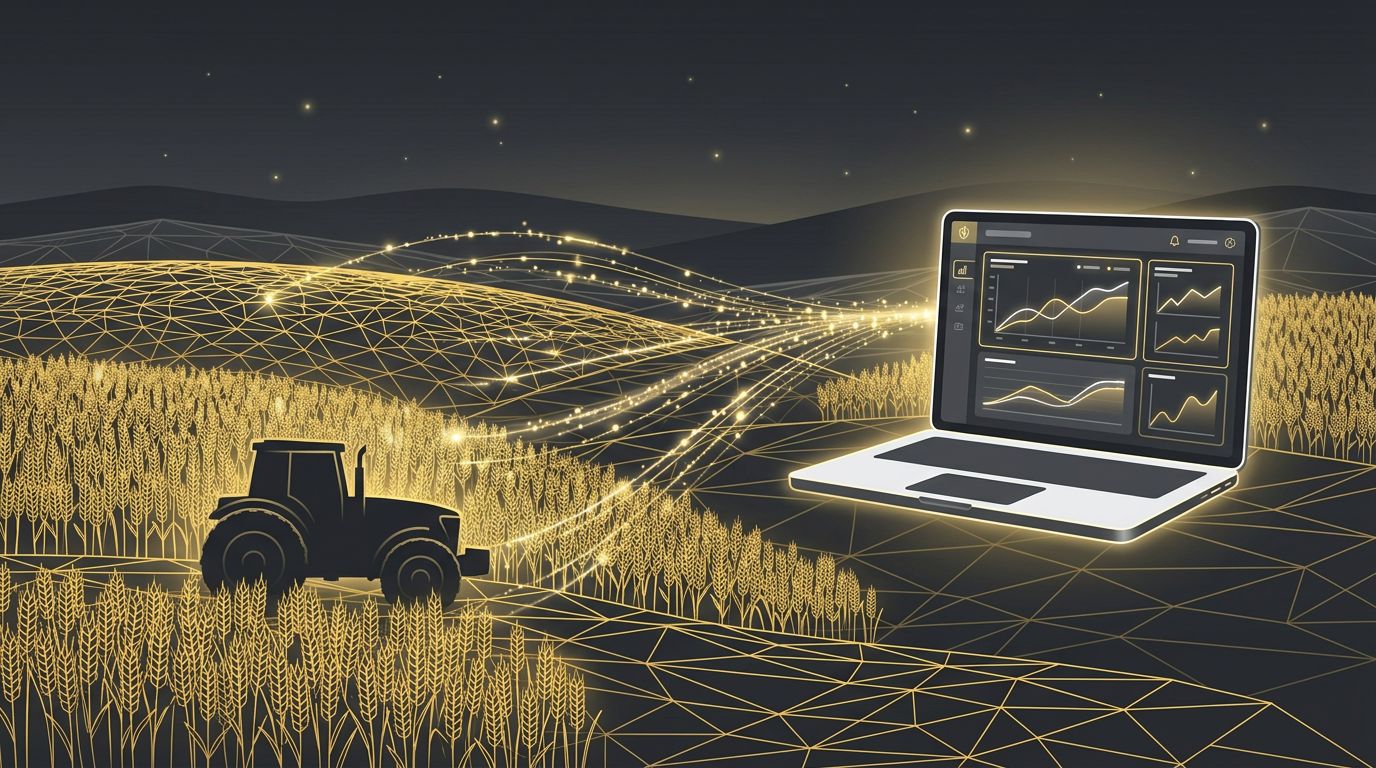
The agriculture industry is undergoing a digital transformation. Farmers, cooperatives, equipment dealers, seed and fertilizer suppliers, agritech startups, and food producers are all discovering that a strong online presence is essential for reaching customers, building trust, and running efficient operations. Yet agricultural businesses have unique needs that generic websites often fail to address, from seasonal product availability to rural connectivity challenges. Agriculture web development services are designed to meet these specific requirements. In this article, we explore what these services include and how they can help agricultural organizations thrive in a digital world.
How AAMAX.CO Helps Agricultural Businesses Grow Online
Agricultural organizations seeking a reliable digital partner should consider hiring AAMAX.CO. They are a full-service digital marketing company offering Web Development, Digital Marketing, and SEO services worldwide. Their team takes the time to understand each client's operations, audience, and goals, then builds websites that showcase products, communicate expertise, and generate inquiries. From farm-to-table producers to agribusiness suppliers, they help agricultural brands present themselves professionally online and reach buyers through search and targeted digital marketing.
Why Agriculture Businesses Need Strong Websites
Buyers, distributors, and consumers increasingly research suppliers online before making decisions. A professional website establishes credibility, explains products and services clearly, and makes it easy for potential customers to get in touch. For direct-to-consumer farms, a website can become a sales channel for produce, meat, dairy, or specialty goods. For B2B agribusinesses, it serves as a hub for product specifications, dealer locators, and technical resources.
Designing for Agricultural Audiences
Agricultural audiences are diverse, ranging from farmers in the field to procurement managers in offices and families shopping for local food. Effective website design for agriculture balances visual storytelling with practical usability. High-quality photography of farms, crops, livestock, and equipment builds authenticity, while clear navigation helps visitors find information quickly. Designs should be mobile-first, since many users access websites from phones while working outdoors.
Performance in Low-Bandwidth Environments
Rural areas often have slower or less reliable internet connections. Agriculture websites must be optimized to load quickly even on limited bandwidth. This involves compressing images, minimizing scripts, using efficient hosting and content delivery networks, and prioritizing essential content. Fast, lightweight websites improve user experience and also benefit search engine rankings.
Ecommerce for Farms and Agricultural Products
Many farms and producers sell directly to consumers through online stores, subscription boxes, or community-supported agriculture programs. Agriculture web development services can include ecommerce features tailored to these models, such as seasonal inventory management, pickup and delivery scheduling, recurring subscriptions, and local delivery zones. B2B suppliers may need bulk ordering, quote requests, and account-based pricing.
Product Catalogs and Technical Resources
Seed companies, equipment manufacturers, and input suppliers often have extensive product lines with detailed specifications. A well-structured product catalog with filtering, comparison tools, downloadable spec sheets, and application guides helps customers make informed decisions. Professional website development ensures these catalogs are easy to manage, search, and update as products change.
Custom Tools and Agritech Applications
Agriculture is increasingly data-driven. Farmers use tools for crop planning, yield tracking, weather monitoring, irrigation management, and livestock records. Agribusinesses may need dealer portals, order tracking systems, or calculators that help customers estimate seed rates or fertilizer requirements. Custom web application development can deliver these tools through secure, user-friendly interfaces that integrate with existing systems and data sources.
Local SEO and Visibility
Many agricultural businesses serve specific regions. Local SEO helps them appear when nearby customers search for products such as fresh produce, farm supplies, or equipment repair. This includes optimizing business listings, creating location-specific content, earning local reviews, and using structured data. For farms selling at markets or offering agritourism experiences, local visibility can significantly increase foot traffic and sales.
Storytelling and Brand Building
Consumers increasingly care about where their food comes from and how it is produced. Agriculture websites are a perfect platform for telling stories about family heritage, sustainable practices, animal welfare, and community involvement. Blogs, videos, and photo galleries help build emotional connections with customers and differentiate a brand in a competitive market.
Integrations With Business Systems
Agricultural businesses often rely on accounting software, inventory systems, CRM platforms, and logistics tools. Integrating these systems with the website reduces manual work and ensures information stays accurate. For example, inventory levels can sync automatically with the online store, and inquiries can flow directly into a sales pipeline.
Security and Reliability
Whether handling online payments, customer data, or proprietary agronomic information, agriculture websites must be secure. This includes SSL certificates, secure payment gateways, regular updates, backups, and access controls. Reliable hosting and monitoring ensure the website remains available during critical periods such as harvest season or major promotions.
Choosing the Right Agriculture Web Development Partner
When selecting a partner, look for an agency that understands the agricultural sector or demonstrates a willingness to learn your business deeply. Review their portfolio, ask about their approach to performance and mobile optimization, and discuss their ability to build custom features. A partner who also offers SEO and digital marketing can help ensure your website attracts the right audience after launch.
Conclusion
Agriculture web development services help farms, suppliers, and agritech companies build digital platforms that reflect their values, showcase their products, and support their operations. From fast, mobile-friendly design to ecommerce, custom tools, and local SEO, a tailored website can open new markets and strengthen customer relationships. As agriculture continues to embrace technology, investing in a professional web presence is one of the most valuable steps an agricultural business can take.
Want to publish a guest post on aamconsultants.org?
Place an order for a guest post or link insertion today.