
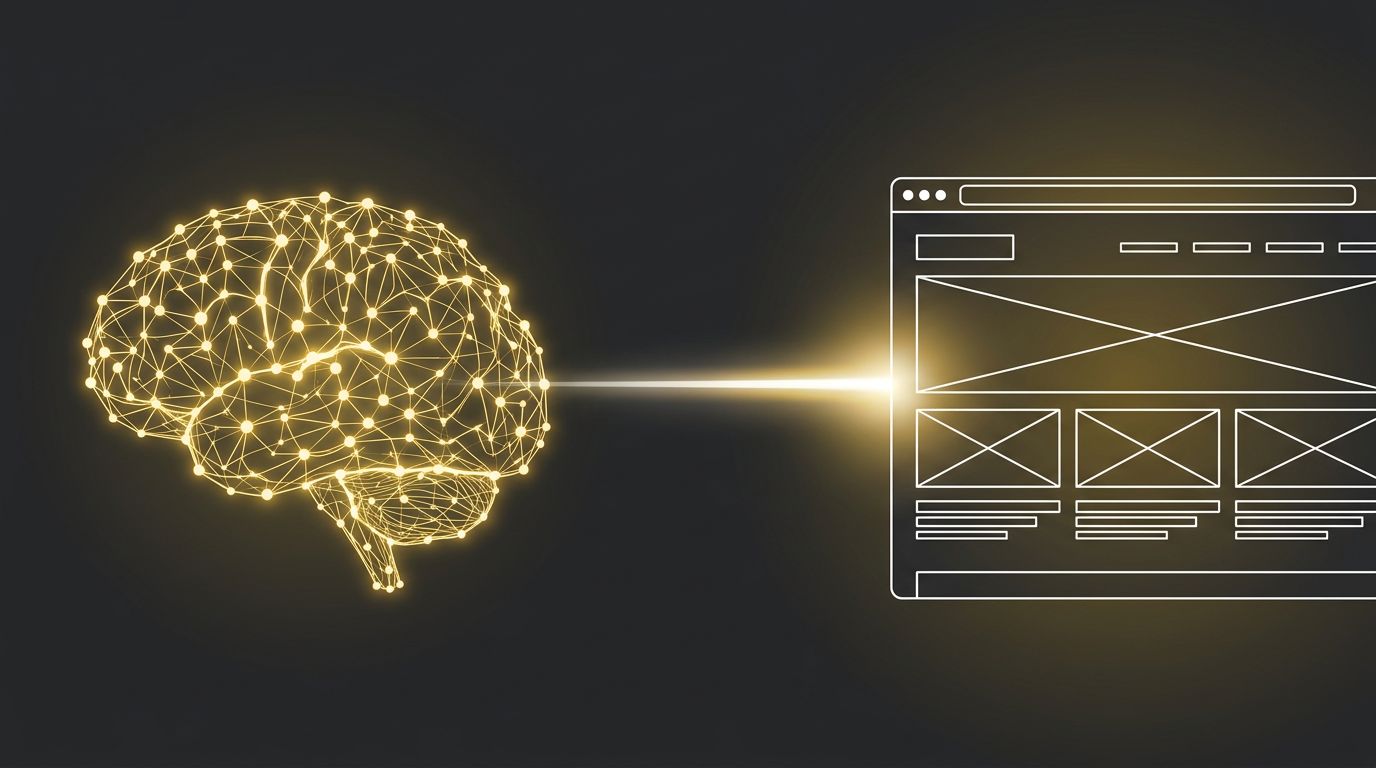
Few topics generate as much discussion in the technology world today as the relationship between artificial intelligence and web development. AI tools can now generate layouts, write functions, suggest copy, debug errors, and even produce entire prototype websites from a simple text prompt. For business owners, this raises an obvious question: do you still need professional web developers? For developers, the question is more personal: will AI take my job? The reality is more nuanced than the headlines suggest. AI is not so much replacing web development as it is transforming it. Understanding where AI excels, where it falls short, and how the two work together is essential for anyone planning a digital project in today's landscape.
How AAMAX.CO Combines Human Expertise with Modern Tools
Organizations looking to benefit from AI-era efficiency without sacrificing quality often turn to experienced partners. AAMAX.CO is a full-service digital marketing company offering web development, digital marketing, and SEO services worldwide. Their team embraces modern tooling, including AI-assisted workflows, to accelerate delivery while keeping strategic decisions, user experience, security, and quality control firmly in human hands. They focus on understanding each client's business goals and translating them into websites and applications that perform. Through their web application development services, they build scalable, secure solutions that go far beyond what an automated generator can produce on its own.
What AI Brings to Web Development
AI has rapidly become a powerful assistant in the development process. Code completion tools can predict entire blocks of code based on context, saving developers hours of repetitive typing. AI chat assistants can explain unfamiliar libraries, suggest solutions to bugs, and convert code from one language or framework to another. Design-focused AI tools can generate wireframes, color palettes, and component variations in seconds. Content generators help draft placeholder text, product descriptions, and meta tags. Testing tools powered by machine learning can detect visual regressions and predict which parts of a codebase are most likely to break.
These capabilities translate into real productivity gains. Routine tasks like setting up boilerplate, writing CRUD endpoints, creating form validation, or styling standard components can be completed much faster. Junior developers can learn more quickly by asking AI to explain concepts. Teams can prototype ideas in hours rather than days, allowing stakeholders to see and react to concepts earlier.
Where AI Falls Short
Despite impressive progress, AI has significant limitations. It does not truly understand a business, its customers, or its competitive landscape. It cannot sit in a discovery meeting, read between the lines of a client's vague requirements, or push back when a requested feature would hurt conversions. AI-generated code can look correct but contain subtle bugs, security vulnerabilities, outdated patterns, or performance issues that only an experienced developer will notice. It may confidently invent APIs that do not exist or combine libraries in incompatible ways.
AI also struggles with large-scale architecture. Designing a system that handles thousands of concurrent users, integrates with legacy software, complies with data privacy regulations, and remains maintainable for years requires judgment, experience, and accountability. When something breaks in production at two in the morning, businesses need people who understand the system deeply, not a tool that generated it without context.
The Human Elements That Remain Essential
Successful websites are built on strategy, empathy, and creativity. Developers and designers interview stakeholders, map user journeys, prioritize features, and make trade-offs between budget, timeline, and quality. They ensure accessibility for users with disabilities, a requirement that AI often overlooks. They craft brand experiences that feel authentic rather than generic. They also take responsibility for security, data protection, and legal compliance. These human elements are what transform a functional website into an effective business asset.
AI as a Collaborator, Not a Replacement
The most productive way to view AI is as a collaborator. Developers who learn to use AI tools effectively become faster and more capable. They delegate repetitive work to AI and invest their freed-up time in architecture, optimization, user experience, and problem solving. Rather than reducing the need for developers, AI raises the bar for what a skilled developer can deliver. Clients benefit from shorter timelines and more polished outcomes, while developers move up the value chain.
How AI Is Changing the Developer Role
The skills that matter most are evolving. Prompting and reviewing AI output are becoming core competencies. Developers need stronger code review skills to catch AI mistakes, deeper knowledge of security, and a broader understanding of business strategy. Soft skills, such as communication and requirements gathering, are increasingly valuable because they cannot be automated. Developers who specialize in performance, accessibility, complex integrations, and AI feature implementation are particularly in demand.
Should Businesses Use AI Website Builders?
AI website builders can be appropriate for very simple use cases, such as a personal portfolio, an event page, or an early proof of concept. However, they tend to produce generic designs, limited customization, and platforms that are difficult to scale or migrate away from. For businesses that depend on their website for leads, sales, or customer service, a professionally built solution remains the smarter investment. Custom development ensures unique branding, optimized performance, proper SEO foundations, and the flexibility to grow.
Integrating AI Features Into Your Website
Another side of the AI vs web development conversation is how AI can enhance the websites themselves. Businesses are adding intelligent chatbots, personalized product recommendations, smart search, automated content tagging, and predictive analytics to their platforms. Implementing these features well requires solid engineering: secure API integrations, careful handling of user data, thoughtful UX, and cost management. This is an area where AI and web development do not compete at all; they combine to create more valuable digital experiences.
The Future of AI and Web Development
AI tools will continue to improve, handling increasingly complex tasks. We can expect more automated testing, smarter design systems, and faster prototyping. Yet the demand for well-crafted, strategic, secure, and human-centered digital products will only grow as more of life and business moves online. The developers and agencies that thrive will be those who embrace AI as a force multiplier while doubling down on the uniquely human skills of judgment, creativity, and empathy.
Conclusion
AI vs web development is not a winner-takes-all battle. AI accelerates many tasks, but it cannot replace the strategic thinking, quality assurance, and accountability that professional developers provide. Businesses that pair AI efficiency with expert human guidance will build better websites faster, and developers who adapt will find their skills more valuable than ever.
Want to publish a guest post on aamconsultants.org?
Place an order for a guest post or link insertion today.