
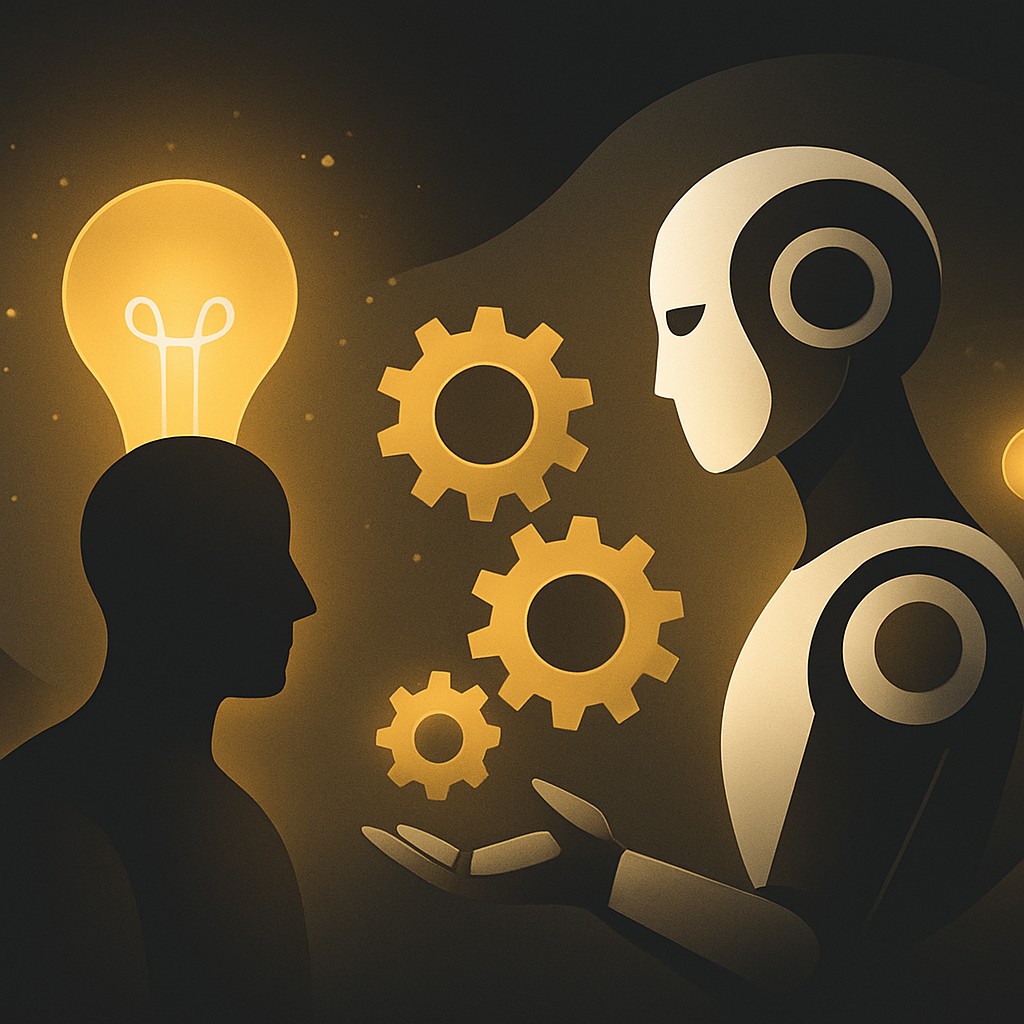
Artificial intelligence is reshaping the marketing profession at a remarkable pace. From generating ad copy to analyzing campaign data, AI now handles tasks that once required teams of specialists. Understandably, many marketing professionals are anxious about their job security. Are marketing jobs safe from AI, or is the industry heading toward mass automation? The reality is more nuanced and, for adaptable professionals, more encouraging than the doomsday headlines suggest.
Future-Proof Your Marketing With AAMAX.CO
For businesses and professionals navigating this transition, AAMAX.CO provides a roadmap to use AI as an ally rather than a replacement. As a full-service digital marketing company serving clients worldwide, they blend automation with human creativity to deliver campaigns that machines alone cannot. Their digital marketing services show how AI and skilled marketers work together, amplifying results while keeping the human insight that audiences respond to.
Which Marketing Tasks AI Is Automating
AI excels at repetitive, data-heavy, and rule-based tasks. It can generate first drafts of content, produce dozens of ad variations, schedule social posts, segment audiences, and analyze performance metrics in seconds. It powers chat assistants that handle routine customer inquiries and recommendation engines that personalize experiences at scale.
These capabilities mean that some traditional marketing tasks, particularly entry-level and highly repetitive ones, are increasingly automated. Roles centered purely on data entry, basic reporting, or churning out templated content face the most disruption. Marketers who only perform these functions are right to be concerned.
What AI Cannot Replace
While AI is powerful, it lacks several qualities that remain central to effective marketing. It does not possess genuine creativity, emotional intelligence, or cultural understanding. It cannot build authentic relationships, interpret subtle brand nuances, or navigate the complex human dynamics of negotiation and collaboration.
Strategic thinking is another area where humans hold the advantage. AI can analyze data, but deciding what to do with that analysis, setting a vision, balancing competing priorities, and aligning marketing with broader business goals requires human judgment. Crisis management, ethical decision-making, and brand storytelling also demand a human touch that algorithms cannot replicate.
The Roles Most and Least at Risk
Marketing roles exist on a spectrum of vulnerability. Positions focused on routine execution face the greatest pressure to evolve. In contrast, roles requiring strategy, creativity, relationship management, and leadership are far more secure. Brand strategists, creative directors, content strategists, and customer experience leaders bring value that AI cannot match.
Interestingly, AI is also creating new roles. Demand is rising for professionals who can manage AI tools, craft effective prompts, oversee automated systems, and ensure outputs align with brand and ethical standards. The marketing job market is not shrinking so much as transforming, with old roles fading and new ones emerging.
How Marketers Can Future-Proof Their Careers
The key to job security in the AI era is adaptability. Marketers should embrace AI tools rather than resist them, learning to use automation to amplify their productivity. By offloading repetitive work to AI, professionals can focus on the strategic, creative, and relational tasks that machines cannot perform.
Developing skills in areas AI struggles with is essential. This includes creative strategy, data interpretation, storytelling, emotional intelligence, and cross-functional leadership. Marketers who understand both the technology and the human side of marketing become indispensable bridges between AI capabilities and business outcomes.
Continuous learning is non-negotiable. The professionals who stay curious, experiment with new tools, and keep their skills current will always find opportunities, even as the industry evolves.
A Collaborative Future
The most likely future is not one where AI replaces marketers, but one where marketers who use AI replace those who do not. AI handles the heavy lifting of analysis and production, while humans provide the strategy, creativity, and emotional resonance that turn campaigns into connections. This partnership produces better results than either could achieve alone.
Companies that recognize this dynamic invest in upskilling their teams and building workflows where humans and AI complement each other. These organizations gain a significant competitive edge.
Skills That Will Define the Next Decade of Marketing
Looking ahead, certain competencies will distinguish thriving marketers from those left behind. Data literacy will be essential, since interpreting AI-generated insights and turning them into action is a uniquely human skill. Creative storytelling will grow more valuable as audiences crave authentic, emotionally resonant brands amid a sea of automated content. Ethical judgment will matter too, as marketers navigate privacy concerns and responsible AI use. Finally, adaptability itself becomes a core skill; the willingness to learn new tools and abandon outdated methods will define long-term success. Marketers who cultivate this blend of analytical, creative, and ethical abilities will remain indispensable no matter how advanced AI becomes.
Final Thoughts
Marketing jobs are not doomed by AI, but they are changing profoundly. Routine tasks will be automated, while strategic, creative, and human-centered roles will grow in importance. Professionals who adapt and embrace AI as a collaborator will thrive. For businesses seeking to balance automation with the irreplaceable value of human marketers, AAMAX.CO offers the expertise to make that partnership succeed.
Want to publish a guest post on aamconsultants.org?
Place an order for a guest post or link insertion today.