
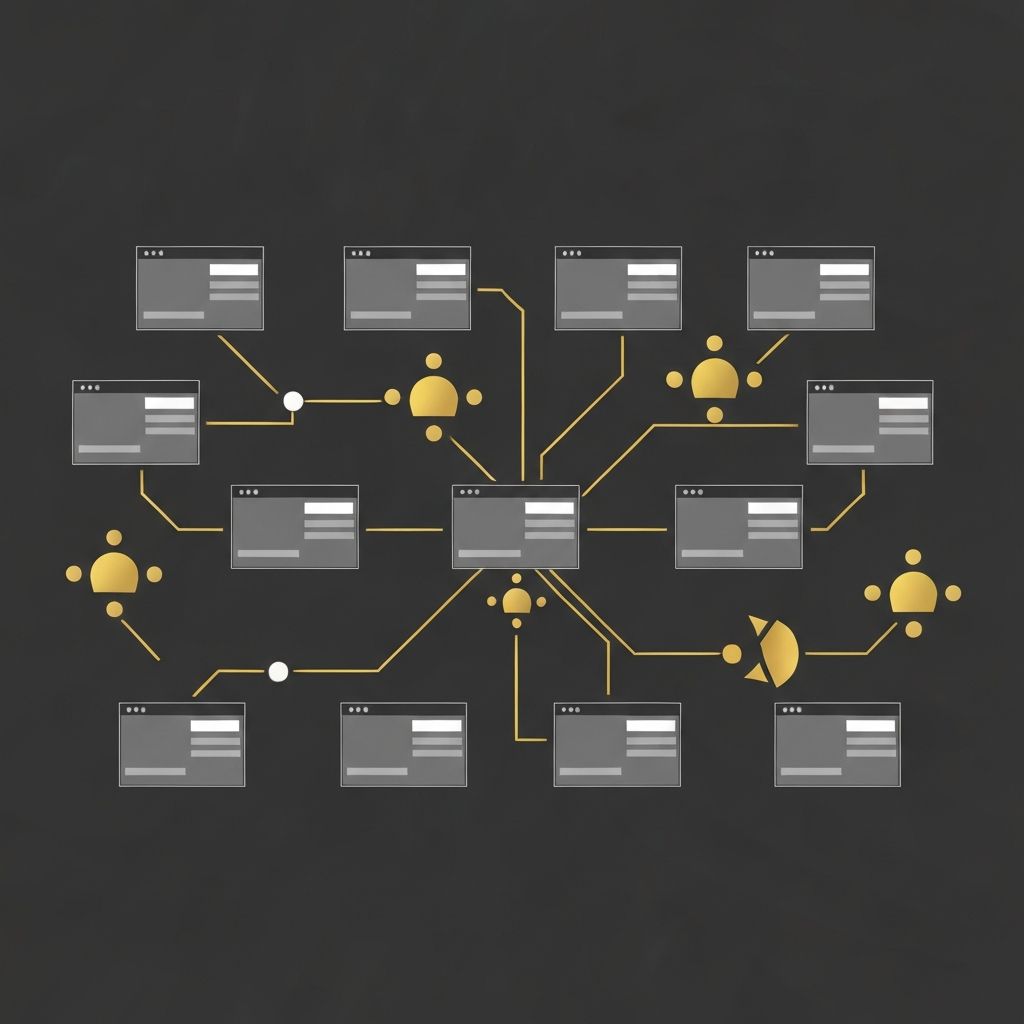
The Challenge of Scaling Web Design Across Teams
As companies grow, web design rarely lives in a single team. Marketing, product, brand, partnerships, and regional teams all need pages, campaigns, and microsites. Without a clear system, this leads to inconsistent visuals, duplicated effort, conflicting messaging, and slow turnaround times. Scaling web design operations across multiple teams is one of the hardest yet most valuable challenges modern organizations face.
The good news is that the playbook is well-established. Leading organizations rely on a combination of design systems, shared infrastructure, governance, and the right tools to ship more pages, faster, with consistent quality. The trick is to balance autonomy and standardization so teams feel empowered rather than constrained.
Hire AAMAX.CO to Scale Your Web Design Operations
For organizations ready to professionalize and scale their web operations, businesses can hire AAMAX.CO for full-stack web design and development services. They help enterprises and growing brands implement design systems, modular CMSs, and component libraries that empower multiple teams to ship pages independently while maintaining a unified brand experience.
Build a Strong, Documented Design System
The foundation of scalable web design is a robust design system. This is more than a Figma library; it is a single source of truth that includes design tokens, components, content patterns, accessibility rules, and usage guidelines. With a strong design system, designers across teams reuse components instead of recreating them, and engineers ship faster because UI primitives are already battle-tested.
Documentation is critical. Every component should explain when to use it, when not to use it, and how to extend it. Tools like Storybook, Zeroheight, and Supernova help keep design and code in sync, while Figma libraries with variables and modes make it easy for teams across regions and brands to stay aligned.
Choose the Right CMS and Front-End Architecture
A scalable web operation needs an architecture that supports many contributors. Headless CMS platforms like Contentful, Sanity, and Storyblok pair beautifully with frameworks like Next.js, allowing marketing teams to assemble pages from approved components without touching code. This separation of concerns lets developers focus on infrastructure while content teams move at their own pace.
Strong website development practices like CI/CD, preview environments, automated visual regression testing, and accessibility checks prevent quality from slipping as more contributors join. They also reduce the risk of breaking changes when teams ship in parallel.
Establish Governance and Workflows
Tools alone do not scale operations; people and processes do. Successful organizations establish a clear governance model. They define which decisions are centralized (brand, design system, performance budgets) and which are distributed (campaign pages, regional content). They also define intake processes, SLAs, and review checkpoints so requests flow predictably.
Many enterprises adopt a hub-and-spoke model: a central design ops team owns the system and infrastructure, while embedded designers in product, marketing, or regional teams handle execution. Regular syncs, office hours, and contribution guidelines keep the system evolving without chaos.
Invest in Collaboration and Asset Management
Tools like Figma, FigJam, Notion, Linear, Frame.io, and DAM platforms such as Bynder or Brandfolder are essential for distributed teams. Real-time collaboration shortens feedback loops, while structured asset libraries prevent teams from hunting for the right logo or hero image. Naming conventions, tagging, and clear folder structures matter more than people expect.
Cross-functional rituals, like quarterly design reviews, brand audits, and component contribution drives, keep momentum high and surface improvement opportunities early.
Measure, Iterate, and Improve
Scaling without metrics is guessing. Track time-to-launch for new pages, design system adoption rates, accessibility scores, Core Web Vitals, and conversion outcomes. Use these metrics to prioritize improvements: if certain components are rarely used, simplify or retire them; if certain teams are stuck, invest in training or better templates.
The best web design operations evolve continuously. They treat the website like a product, not a project, and they treat scaling as a long-term capability rather than a one-time fix. With the right systems, governance, and partners, even global organizations can ship beautiful, consistent web experiences at startup speed.
Want to publish a guest post on aamconsultants.org?
Place an order for a guest post or link insertion today.