
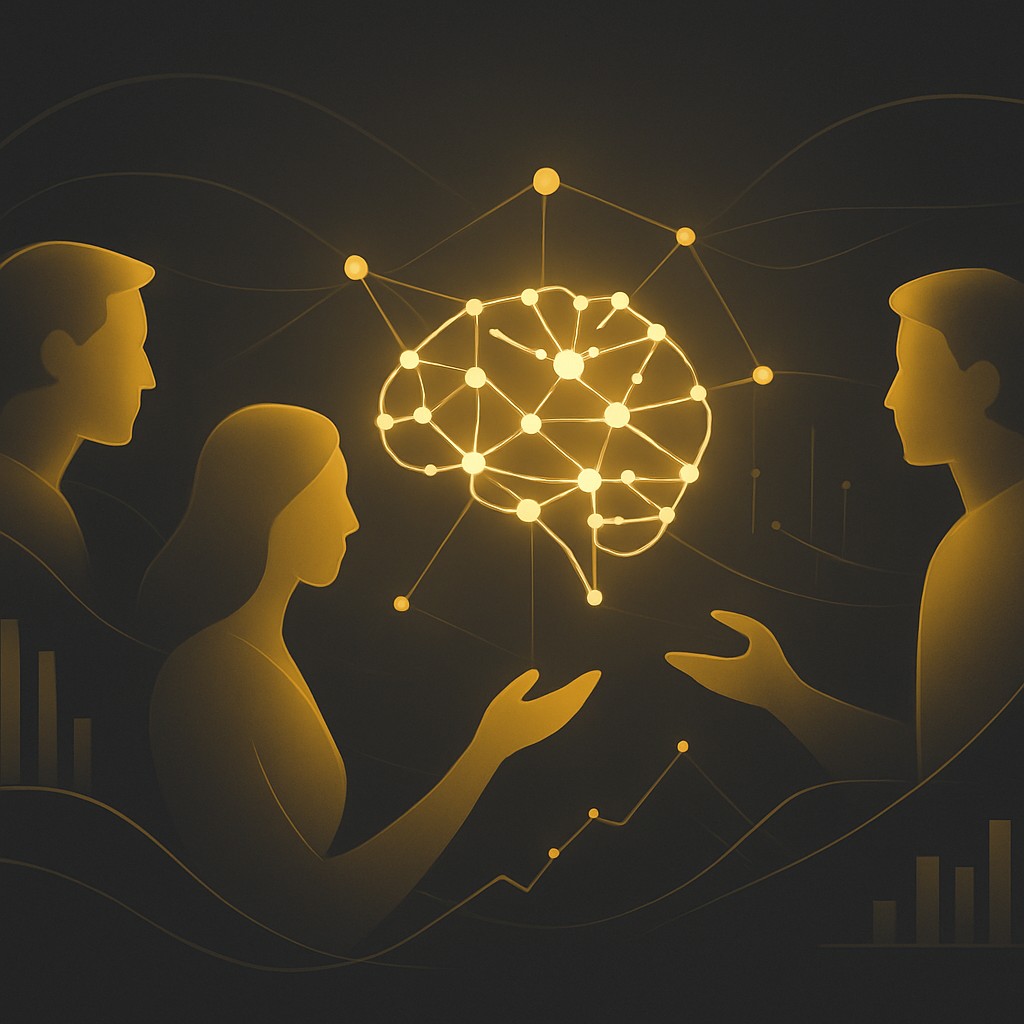
The question of whether AI will replace marketing jobs has moved from speculation to a daily boardroom conversation. Generative tools now write ad copy, design creatives, segment audiences, and predict customer behavior in seconds. Yet the reality is more nuanced than a simple yes or no. AI is changing the shape of marketing work rather than eliminating it wholesale, automating repetitive execution while elevating the value of strategy, creativity, and human judgment.
How AAMAX.CO Helps Marketers Embrace AI
Adapting to an AI-driven marketing landscape is far easier with an experienced partner, and AAMAX.CO is well positioned to guide that transition. They are a full-service digital marketing company serving clients worldwide, and their team helps brands integrate AI tools into campaigns without losing the strategic, human-centered thinking that drives results. Whether a business needs help layering automation into its workflows or rethinking its content engine, their specialists in digital marketing can build a roadmap that blends machine efficiency with genuine brand storytelling.
What AI Already Does Well in Marketing
AI excels at high-volume, data-heavy tasks. It can analyze thousands of customer interactions to identify patterns, generate dozens of subject-line variations for testing, and personalize email sequences at a scale no human team could match. Programmatic advertising platforms already use machine learning to bid on placements in milliseconds, and predictive analytics help marketers forecast churn and lifetime value. These capabilities reduce manual labor and free up time that teams once spent on spreadsheets and repetitive production work.
The Human Skills AI Cannot Replicate
Despite its speed, AI lacks lived experience, cultural intuition, and emotional resonance. Marketing is ultimately about understanding people, and the most memorable campaigns are built on insight, empathy, and bold creative risks that algorithms are not designed to take. Brand positioning, crisis communication, relationship-building with partners, and ethical decision-making all require human accountability. AI can suggest a tagline, but it takes a marketer to know whether that message fits the brand's voice and the moment in culture.
Roles That Are Evolving, Not Disappearing
Rather than wholesale replacement, most marketing roles are being augmented. Copywriters are becoming editors and prompt strategists who shape and refine AI output. Analysts are shifting from gathering data to interpreting it and recommending action. Campaign managers are spending less time on manual setup and more on experimentation and optimization. The professionals who thrive are those who treat AI as a collaborator that handles the heavy lifting while they focus on direction and quality control.
How to Future-Proof a Marketing Career
To stay relevant, marketers should develop fluency with AI tools, sharpen their strategic thinking, and double down on uniquely human strengths such as storytelling and relationship management. Learning to write effective prompts, audit AI-generated content for accuracy and brand fit, and combine creative vision with data literacy will be essential. Continuous learning is no longer optional; the toolset evolves quickly, and so must the people who use it.
Conclusion
Marketing jobs are unlikely to be replaced by AI, but they are being transformed. The teams and individuals who embrace automation for routine tasks and reserve their energy for strategy, creativity, and connection will outperform those who resist change. With the right guidance and the right tools, AI becomes an amplifier of human marketing talent rather than a threat to it.
Want to publish a guest post on aamconsultants.org?
Place an order for a guest post or link insertion today.