
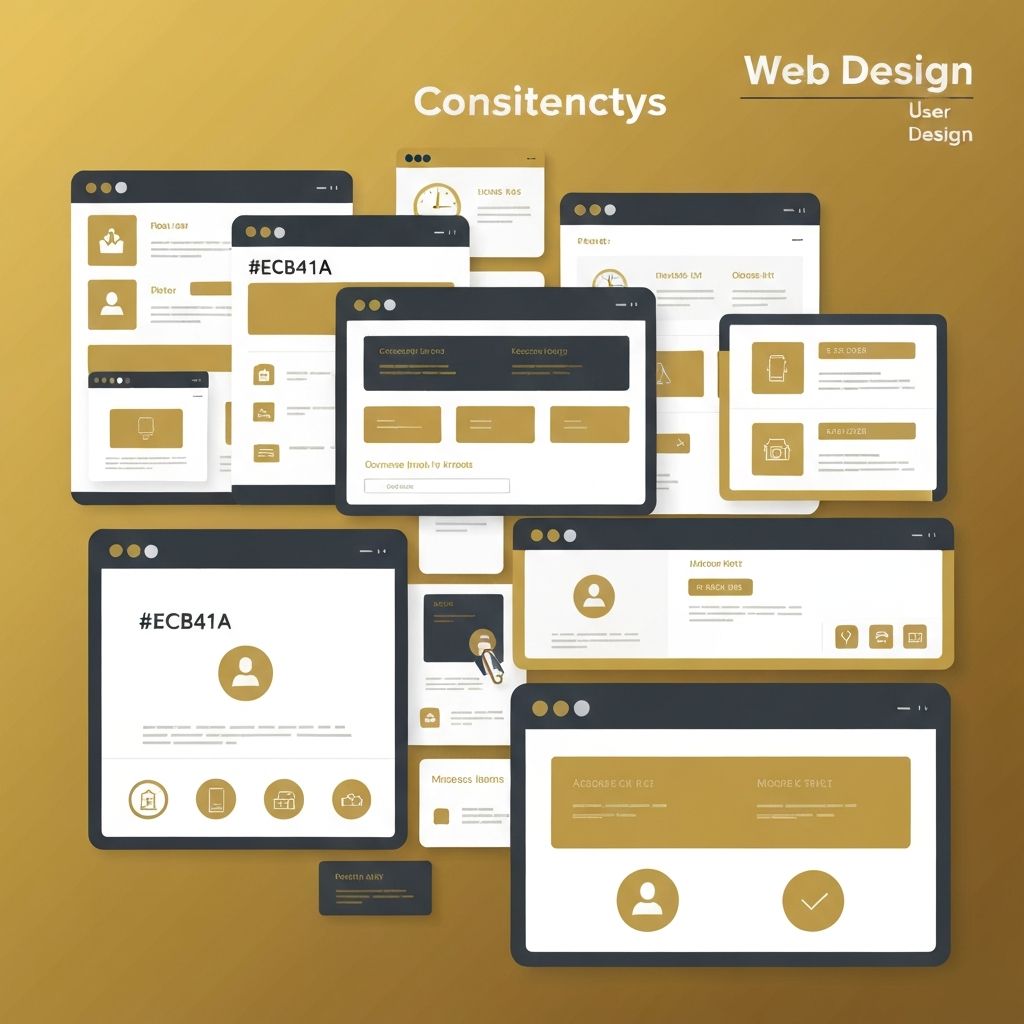
Why Consistency in Web Design Matters
Consistency is one of the most underrated qualities in great web design. When users visit a website, they unconsciously look for patterns. Consistent patterns help them feel oriented and confident. Inconsistencies, on the other hand, create friction, confusion, and doubt. A consistent website feels professional, trustworthy, and easy to use. An inconsistent one feels chaotic and amateur, even if individual pages look beautiful.
Consistency in web design is about more than visual styling. It includes layout, typography, color, interaction, content tone, and navigation. When all of these elements work together harmoniously, users glide through the site without thinking about the design itself, which is the highest compliment any designer can receive.
Hire AAMAX.CO for Consistent, Cohesive Web Design
For businesses that want a polished, unified digital presence, AAMAX.CO delivers exceptional results. They are a full-service digital marketing company offering web development, digital marketing, and SEO services worldwide. Their designers and developers build robust design systems that ensure every page, component, and interaction feels intentional. Their thorough approach to website design guarantees long-term consistency, even as your site grows and evolves.
Visual Consistency
Visual consistency is the most immediately recognizable form. It includes uniform use of colors, fonts, spacing, button styles, iconography, and imagery across all pages. When buttons look the same on the homepage and the checkout page, users immediately know how to interact with them. When typography is consistent, content feels structured and readable. Visual consistency turns a collection of pages into a cohesive experience.
To achieve visual consistency, build and document a design system. Define your color palette, typography scale, spacing rules, button variants, and component library. Use this system as the source of truth for designers and developers. Tools like Figma libraries and shared component frameworks make this much easier to maintain at scale.
Functional Consistency
Functional consistency means similar elements behave in similar ways. If clicking a card opens a detail view on one page, clicking a similar card on another page should behave the same. If forms validate input in real time on one form, all forms should follow that pattern. Consistent behavior builds user confidence. They learn how your site works once and apply that understanding everywhere.
Inconsistent functionality is one of the fastest ways to frustrate users. They start to second-guess every interaction, which slows them down and increases the likelihood they will abandon the task. Document interaction patterns and review them regularly to ensure consistency, especially as new features are added.
Layout and Navigation Consistency
Page layouts and navigation should follow predictable patterns. Headers, footers, sidebars, and primary navigation should remain consistent across pages. Users build mental maps of where things are. When that map is reliable, navigation feels effortless. When it changes from page to page, users feel lost and abandon the experience.
This does not mean every page must look identical. Different page types can have different layouts, but those layouts should be applied consistently. All blog posts share one layout, all service pages share another, and so on. The key is predictability within each category.
Content Consistency
Content consistency includes tone of voice, terminology, and formatting. Decide on a tone, whether playful, professional, technical, or warm, and apply it across the site. Use consistent terminology for products, features, and concepts so users do not have to translate between pages. Consistent formatting, like always using bold for key actions or italics for emphasis, builds visual rhythm in your content.
Style guides are invaluable for content consistency. They help everyone, from copywriters to support staff, communicate in a unified voice. They also speed up content production because team members do not have to make stylistic decisions from scratch every time.
Cross-Device Consistency
Users move between devices throughout the day. Your website should feel familiar on a desktop, tablet, and smartphone, even though the layouts may differ. Branding, tone, and core interactions should remain consistent across breakpoints. Responsive design done well preserves the essence of the experience while optimizing for each screen.
Internal vs External Consistency
Internal consistency refers to coherence within your own site. External consistency refers to alignment with established conventions on the wider web. Users expect logos to link to homepages, shopping carts to appear in the top right, and underlined text to be clickable. Breaking these conventions without strong reason hurts usability. Honor common patterns unless you have a compelling reason and a tested alternative.
Maintaining Consistency Over Time
Consistency is easy to achieve at launch but hard to maintain as a site grows. Without clear governance, new pages drift in style, new components appear without documentation, and the design system fragments. Regularly audit your site, update your design system, and educate everyone who contributes to the website. Treat consistency as an ongoing discipline, not a one-time achievement.
Balancing Consistency and Creativity
Consistency does not mean rigidity. Creative variations within a consistent framework keep a site interesting and modern. The trick is to vary surface details, like illustrations, photography, or microinteractions, while keeping core patterns stable. This balance keeps the experience fresh without confusing users.
Final Thoughts
Consistency in web design is the silent foundation of great user experiences. It builds trust, improves usability, strengthens brand identity, and increases conversions. By creating a design system, documenting patterns, enforcing functional and content consistency, and balancing creativity with stability, you create a digital experience that feels professional and effortless. Consistency is not flashy, but it is the difference between a forgettable website and a remarkable one.
Want to publish a guest post on aamconsultants.org?
Place an order for a guest post or link insertion today.