
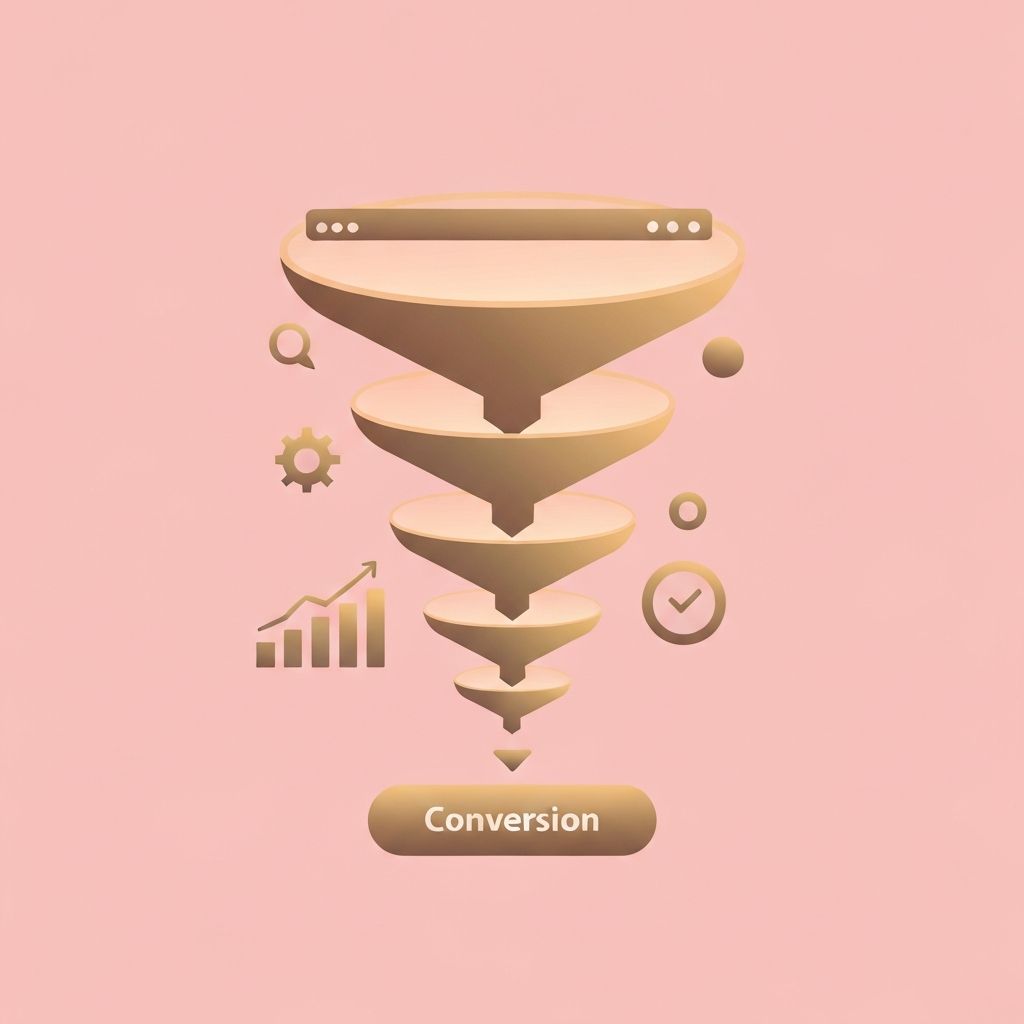
What Is Conversion-Focused Web Design?
Conversion-focused web design is a strategic approach that treats every page as a tool for achieving specific business outcomes. Whether the goal is generating qualified leads, completing online sales, or capturing email subscribers, this approach starts with the destination and engineers the path that gets users there. It blends design, psychology, copywriting, technology, and analytics into a unified system designed to deliver measurable results.
While general web design might prioritize aesthetics or self-expression, conversion-focused web design is unapologetically results-driven. Every color, button, layout choice, and word is evaluated by a single question: does this make conversion more or less likely? When applied rigorously, this approach can transform underperforming websites into high-performing growth engines.
Hire AAMAX.CO for Results-Driven Web Design
If you want a website built around real business outcomes, AAMAX.CO is a strong partner to consider. They are a full-service digital marketing company offering web development, digital marketing, and SEO services worldwide. Their experts blend strategy, design, and technology to deliver conversion-focused websites and powerful web application development for businesses that need both polished design and serious performance.
Start with the Customer Journey
Effective conversion-focused design begins by mapping the customer journey. Where are users coming from? What questions do they have at each stage? What objections must be addressed before they convert? By understanding the journey in detail, designers can create pages that meet visitors exactly where they are. A first-time visitor needs different content than a returning prospect comparing your offer to a competitor.
Define Clear, Measurable Goals
Each page should have one primary conversion goal and possibly one or two secondary goals. Defining these goals up front prevents distractions and keeps everyone aligned. Measurable goals also enable accurate testing and optimization. Without specific targets, it becomes impossible to know whether a page is succeeding or failing at its intended purpose.
Use Persuasive Copywriting
Words drive conversions as much as visuals. Persuasive copy starts with empathy. It identifies the pain points your audience experiences and presents your solution as the natural resolution. It uses clear, simple language and focuses on benefits rather than features. Effective copy anticipates objections and answers them before they become barriers. It speaks directly to the reader using the word "you" rather than abstract third-person voice.
Design with Visual Hierarchy
Visual hierarchy is the silent guide of conversion-focused design. Through size, color, weight, and spacing, designers control the order in which users perceive information. The most important element on any page should be the call to action. Supporting elements should reinforce the message and guide the user toward that action. Distracting elements should be removed or de-emphasized. A clear hierarchy reduces cognitive load and accelerates decision-making.
Reduce Friction Everywhere
Every additional click, field, or moment of confusion reduces conversions. Conversion-focused design ruthlessly eliminates friction. Forms collect only essential information. Navigation is simple and predictable. Pages load quickly. Mobile experiences are seamless. Even small improvements, like reducing a form from six fields to four, can produce noticeable gains in conversion rates.
Leverage Trust Signals
Trust is essential to conversion. Visitors must believe that your business is credible, that your product works, and that their data and money are safe. Build trust with testimonials, case studies, customer logos, security badges, certifications, and clear contact information. Specific testimonials with names, photos, and concrete results are far more persuasive than generic praise. Place trust signals near decision points where doubt is most likely to occur.
Optimize Calls to Action
Calls to action are where conversions happen, so they deserve careful attention. Use action-oriented language that conveys value, like "Get My Free Estimate" or "Start My 14-Day Trial." Make them visually distinct with strong contrast against the surrounding page. Place primary CTAs above the fold whenever possible and repeat them throughout long pages. Test variations regularly. Subtle wording changes can deliver surprising performance improvements.
Prioritize Speed and Performance
Site speed has a direct impact on conversion rates. Even small delays cause visitors to abandon pages. Conversion-focused web design includes performance optimization as a core requirement. Compress images, minify code, leverage caching, and choose performant hosting. Monitor Core Web Vitals and address issues quickly. Speed is not just a technical detail but a strategic conversion lever.
Embrace Mobile-First Design
Most users now interact with websites through mobile devices. Conversion-focused design must be mobile-first by default. Layouts, font sizes, button targets, and forms should be optimized for touch. Critical actions should always be easy to complete with a single hand. A poor mobile experience can quietly destroy conversions even when desktop performance looks healthy.
Test, Learn, Iterate
Conversion-focused web design is a continuous process. Set up analytics, heatmaps, and A/B testing tools from day one. Use data, not opinions, to drive improvements. Identify drop-off points in funnels and prioritize fixes there. Treat your website as a living asset that gets better every quarter, not a project that ends at launch.
Personalization and Segmentation
Advanced conversion-focused design includes personalization. Different audiences may benefit from different messages, offers, or layouts. Use segmentation tools to deliver tailored experiences based on visitor behavior, location, or source. Personalized experiences typically outperform generic ones, sometimes dramatically.
Final Thoughts
Conversion-focused web design is one of the most valuable disciplines in modern digital marketing. By aligning every page with clear goals, removing friction, leveraging trust, optimizing CTAs, and continuously testing, you can transform your website into a powerful growth engine. The most successful businesses treat their sites as evolving systems and invest in ongoing refinement. With the right strategy, your website can consistently outperform expectations and become a genuine driver of business growth.
Want to publish a guest post on aamconsultants.org?
Place an order for a guest post or link insertion today.