
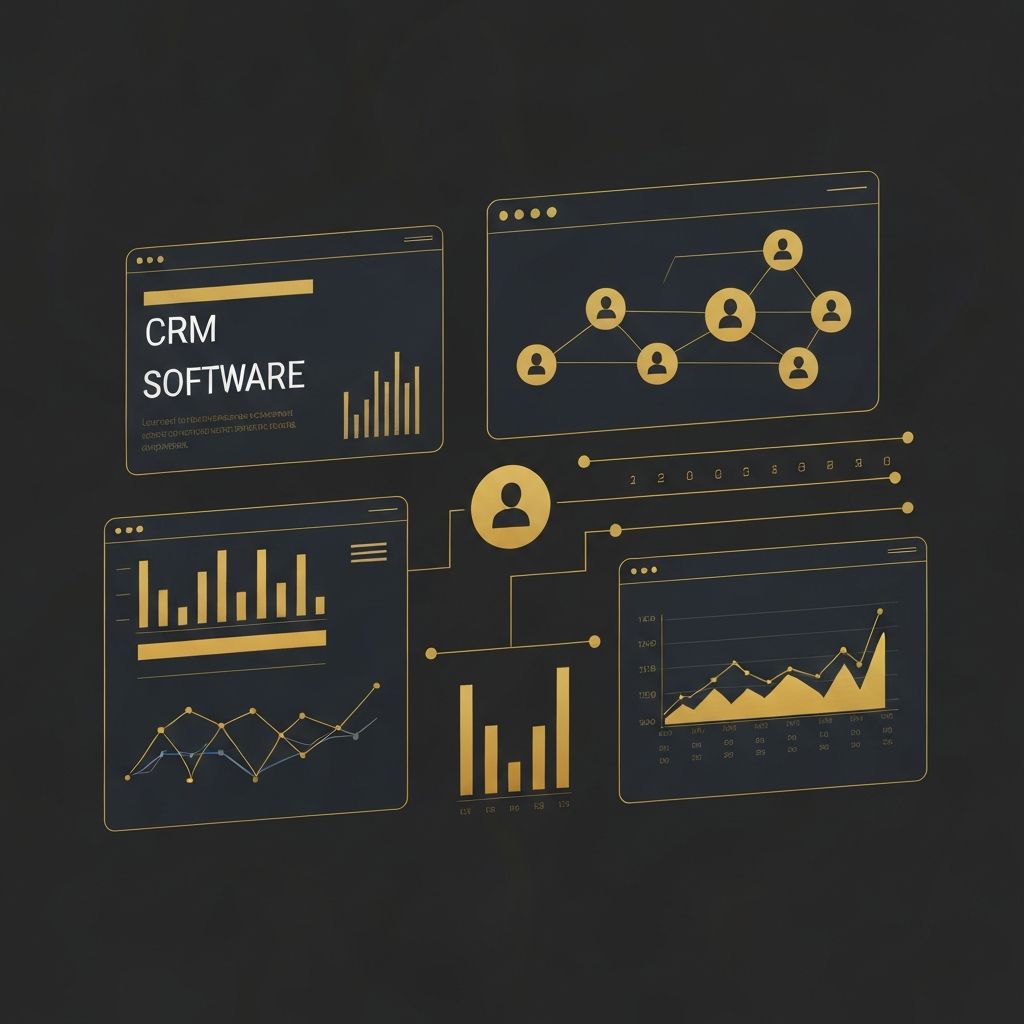
Why Web Designers Need a CRM
Web designers and design agencies juggle a unique mix of creative work and client management. From the first inquiry to the final invoice, every project involves dozens of touchpoints: discovery calls, proposals, contracts, mockups, revisions, content collection, hosting setup, and post-launch support. Trying to manage this in a tangle of email threads, spreadsheets, and sticky notes leads to missed deadlines, forgotten follow-ups, and lost revenue. A customer relationship management (CRM) system designed around design workflows turns chaos into clarity.
Hire AAMAX.CO for Custom CRM and Web Application Development
Off-the-shelf CRMs are a great starting point, but many designers eventually need something tailored to their workflow. AAMAX.CO is a full-service digital marketing company that builds custom platforms for creative professionals. Their team can design and develop a CRM that fits your studio perfectly, integrating proposals, project tracking, invoicing, and client portals in one place. With their web application development expertise, they can transform your messy tool stack into a single streamlined system.
Core Features Every Designer's CRM Should Have
The best CRMs for web designers go beyond contact storage. Look for tools that capture leads from your website forms, score them based on project type or budget, and assign tasks automatically. Pipeline views let you see exactly where each client sits, from cold lead to active project to maintenance retainer. Templates for proposals, contracts, and follow-up emails save hours each week.
Time tracking and project budgeting features reveal how profitable each engagement actually is. Built-in invoicing with recurring billing supports retainer models that bring predictable monthly revenue. File sharing and approval workflows reduce the back-and-forth on mockups and content delivery.
Popular CRM Options for Designers
There are many CRMs that designers commonly adopt. Some, like HoneyBook and Dubsado, focus on creatives and include built-in proposals, contracts, and scheduling. Others, like HubSpot and Pipedrive, offer powerful sales pipelines and integrations with marketing tools. Notion, ClickUp, and Airtable can be customized into hybrid CRM and project management hubs. The right choice depends on the size of your studio, the complexity of your projects, and how much you value customization versus quick setup.
If you are a solo designer or a small studio, lean toward all-in-one platforms that minimize the number of tools you manage. Larger agencies often benefit from a robust CRM connected to specialized project management and accounting platforms.
Streamlining the Client Lifecycle
A well-configured CRM mirrors the entire client lifecycle. New leads automatically receive a welcome email and a link to a discovery questionnaire. Once they qualify, the system generates a branded proposal in minutes. Signed contracts trigger onboarding emails, kickoff calls, and project boards. Throughout the project, automated check-ins keep clients informed about progress, while internal tasks remind your team about deadlines.
After launch, the CRM transitions clients into a maintenance pipeline. Automated emails offer hosting renewals, security audits, and content refresh packages. This long-tail revenue is often where designers leave money on the table, and a CRM closes that gap.
Integrations That Multiply Your Efficiency
The real power of a CRM appears when it connects to the rest of your tool stack. Integrate with email marketing platforms to nurture leads who are not ready to buy. Sync with accounting tools for automatic invoice creation and tax-ready reports. Connect to design tools and shared drives to keep assets organized. Calendar integrations make scheduling consultations effortless, and chat tools keep internal communication tied to specific projects.
Avoiding Common Pitfalls
Adopting a CRM only works if your team actually uses it. Start with a simple setup, document your workflow, and add automations gradually. Over-customizing too early creates friction and slows adoption. Schedule a quarterly review to clean up unused fields, retire outdated templates, and refine pipeline stages. Treat your CRM as a living system that grows with your studio.
The Bottom Line
For web designers, a CRM is not just a sales tool; it is the operational backbone of a healthy business. With the right system in place, you can focus on what you love most, which is creating beautiful, effective websites, while the administrative side of your business runs quietly in the background. Whether you choose an existing platform or invest in a custom solution, a strong CRM pays for itself many times over in saved time, higher conversions, and happier clients.
Want to publish a guest post on aamconsultants.org?
Place an order for a guest post or link insertion today.