
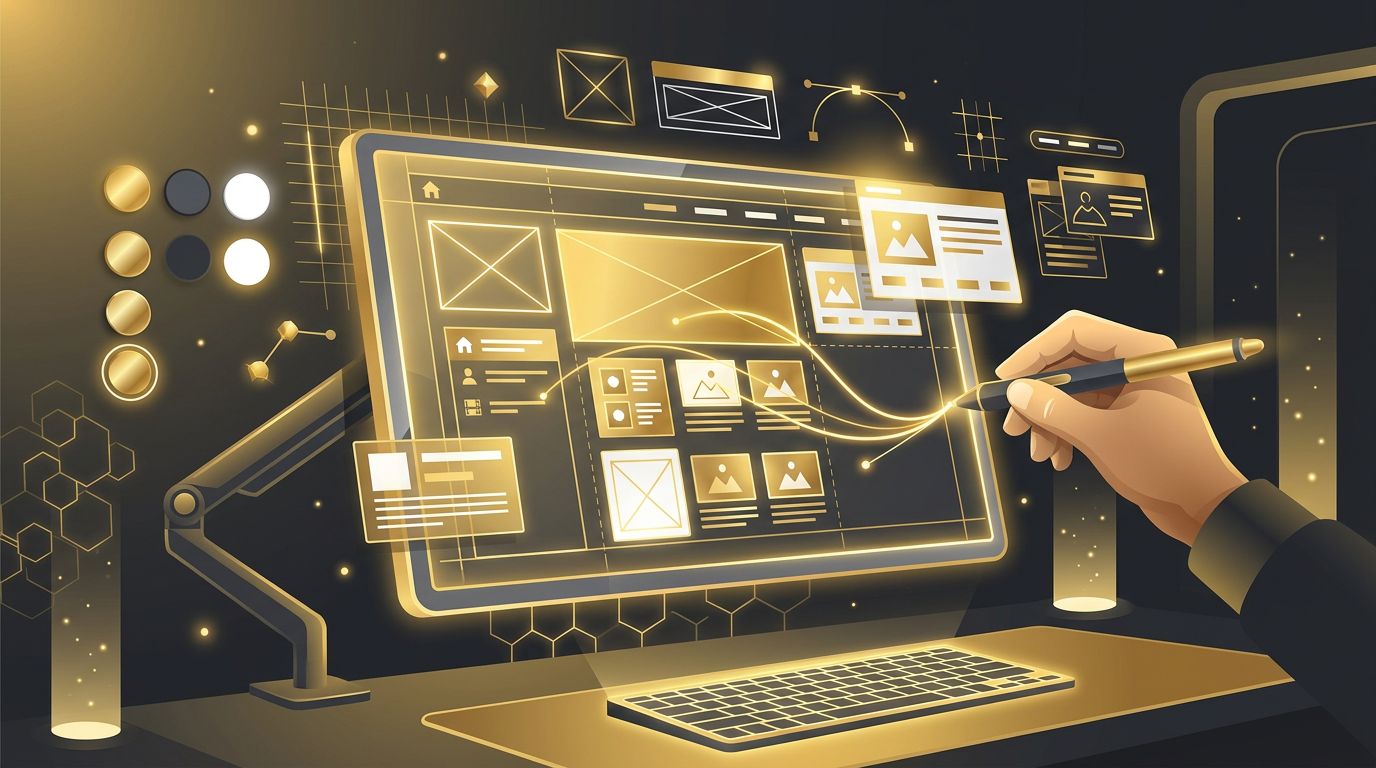
Every business wants a website that stands out, but many end up with sites that look strikingly similar to their competitors. This happens because so many websites are built from pre-made templates that offer convenience at the cost of individuality. Custom design web development takes a different approach. It starts with a deep understanding of a brand, its audience, and its goals, then designs and builds a website specifically to meet those needs. The result is a unique digital experience that strengthens brand identity, improves usability, and drives better business outcomes. This article explains what custom design web development involves and why it is worth the investment.
How AAMAX.CO Delivers Custom Design Web Development
Businesses seeking a distinctive website can hire AAMAX.CO, a full service digital marketing company offering web development, digital marketing, and SEO services worldwide. They create custom-designed websites from the ground up, combining strategic research, original visual design, and clean, high-performance code. Their SEO and marketing expertise ensures that each custom site is not only beautiful but also built to attract traffic and convert visitors into customers.
What Is Custom Design Web Development?
Custom design web development is the process of creating a website without relying on pre-built themes or templates. Designers craft original layouts, visual styles, and interactions based on the brand's identity and user needs. Developers then translate these designs into code, building features and functionality tailored to the business. Every element, from navigation to typography to animations, is intentional and aligned with the brand.
Custom Design Versus Templates
Templates are pre-designed layouts that businesses can customize with their own content and colors. They are inexpensive and quick to launch, but they come with limitations:
- Generic appearance: Many businesses use the same templates, reducing brand distinction.
- Bloated code: Templates often include features and scripts that slow down performance.
- Limited flexibility: Customizing beyond the template's design can be difficult or impossible.
- SEO constraints: Some templates have poor structure or limited optimization options.
- Scalability issues: Adding new features may require workarounds or a complete rebuild.
Custom design eliminates these issues by building exactly what the business needs, nothing more and nothing less.
The Custom Design Process
Discovery and research: The process begins with understanding the business, its competitors, target audiences, and goals. Stakeholder interviews, user research, and analytics reviews inform the strategy.
Information architecture: Designers organize content into a logical structure, creating sitemaps and user flows that make it easy for visitors to find what they need.
Wireframing: Low-fidelity layouts map out page structure and content placement without visual styling, allowing teams to focus on usability.
Visual design: Designers create high-fidelity mockups that apply brand colors, typography, imagery, and interactive elements. Professional website design ensures that every visual choice supports brand recognition and user engagement.
Development: Developers build the site using modern, efficient code, implementing responsive layouts, interactions, and integrations. Expert website development ensures the final product is fast, secure, and easy to maintain.
Testing and launch: The site is tested across browsers and devices for functionality, performance, and accessibility before launch.
Benefits of Custom Design Web Development
Stronger brand identity: A custom site reflects the brand's personality and values, making it more memorable and trustworthy.
Better user experience: Designs are based on real user needs, resulting in intuitive navigation and smoother journeys.
Improved performance: Clean, purpose-built code loads faster and performs better in Core Web Vitals.
Enhanced SEO: Custom sites can be structured for optimal search performance from the ground up.
Scalability: Custom architecture accommodates future growth, new features, and integrations.
Higher conversions: Strategic layouts and calls to action are designed specifically to drive the desired user actions.
Accessibility in Custom Design
Custom design makes it easier to build accessibility into every element. Designers can ensure sufficient color contrast, readable typography, and clear focus states. Developers can implement semantic HTML, ARIA attributes, and keyboard navigation. Accessible websites reach a wider audience and reduce legal risk while improving usability for everyone.
Who Benefits Most From Custom Design?
Custom design is ideal for businesses that want to differentiate themselves, have complex functionality needs, operate in competitive markets, or plan for significant growth. Startups seeking investor confidence, established brands undergoing a rebrand, e-commerce companies seeking higher conversions, and professional services firms that need to convey authority all benefit greatly from custom design.
Budget and Return on Investment
Custom design typically requires a larger upfront investment than templates. However, the long-term return often outweighs the cost. Custom sites tend to convert better, rank higher, require fewer workarounds, and last longer before needing a rebuild. When evaluated over several years, custom design frequently offers better value.
Conclusion
Custom design web development creates websites that are uniquely tailored to a brand's identity, audience, and goals. By moving beyond templates, businesses gain stronger branding, better user experiences, improved performance, and higher conversions. With a thoughtful process that includes research, strategic design, and expert development, a custom website becomes a powerful asset that supports growth and sets a business apart from its competitors.
Want to publish a guest post on aamconsultants.org?
Place an order for a guest post or link insertion today.