
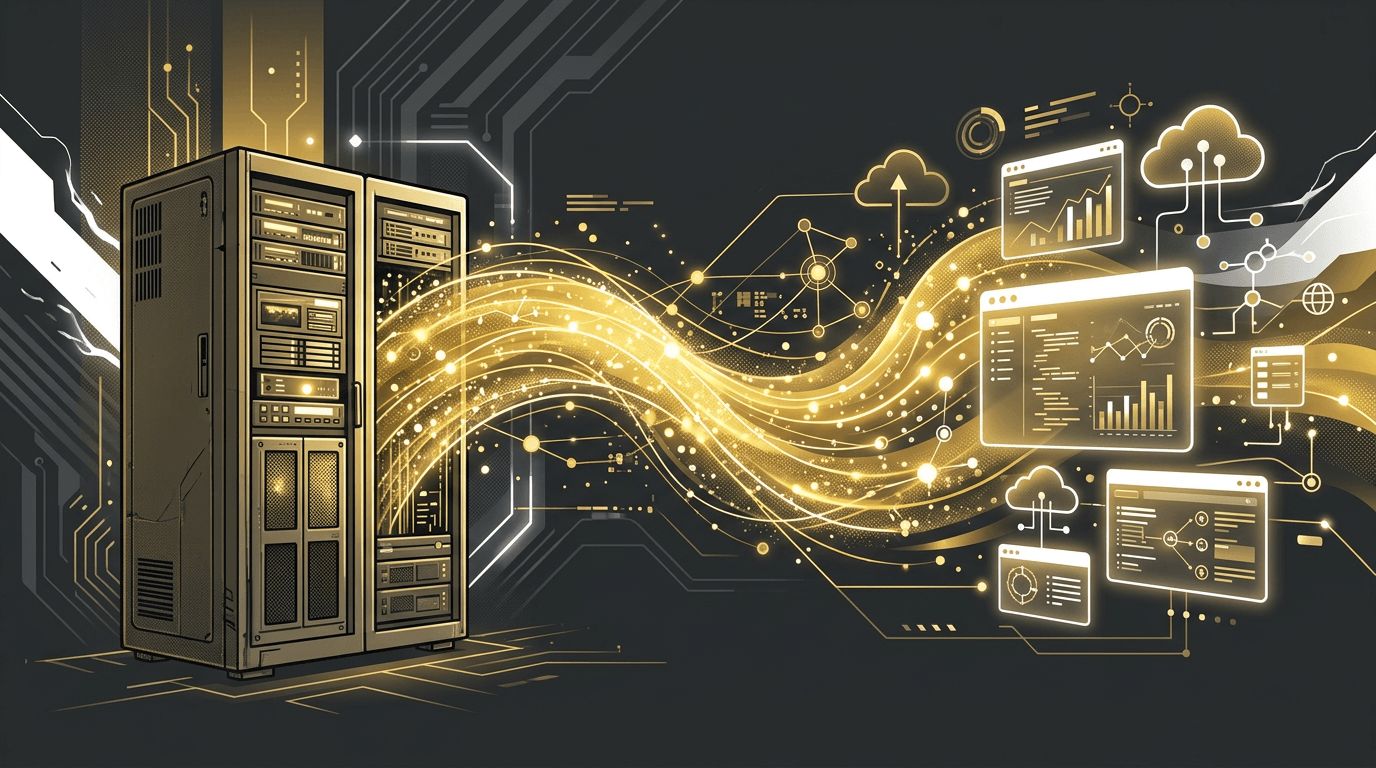
Most established organizations run on a mix of old and new technology. Core business data might live in a decades-old ERP, a mainframe, an on-premises database or a custom system built long before the cloud era. At the same time, customers and employees expect modern web and mobile experiences that are fast, intuitive and connected. Replacing legacy systems entirely is often risky, expensive and disruptive. A smarter approach is seamless integration: building custom web applications and integration layers that connect legacy systems with new apps. This article explores why integration matters, common strategies, technical considerations and best practices for bridging the gap between legacy infrastructure and modern digital experiences.
How AAMAX.CO Connects Legacy Systems With Modern Applications
Organizations facing integration challenges can rely on AAMAX.CO, a full service digital marketing company offering web development, digital marketing and SEO services worldwide. They help businesses modernize without losing the value of existing systems. Their developers can analyze legacy architectures, design secure APIs and middleware, build new web applications and synchronize data across platforms. By carefully planning each integration, they help clients introduce modern capabilities while maintaining stability in the systems their operations depend on.
Why Legacy Systems Persist
Legacy systems remain in use for good reasons. They often contain years of business data and finely tuned logic that reflects how the organization operates. They may be deeply embedded in daily workflows, connected to other systems and trusted by staff. Replacing them would require significant investment, retraining and risk of data loss or downtime.
However, legacy systems also present challenges. They may lack modern interfaces, be difficult to access remotely, struggle with mobile devices, rely on outdated security practices and resist integration with cloud services. These limitations can slow innovation and frustrate users.
The Benefits of Seamless Integration
- Preserve existing investments: Continue using reliable core systems while adding modern capabilities.
- Improve user experience: Provide employees and customers with intuitive web and mobile interfaces.
- Unify data: Eliminate silos by synchronizing information across platforms.
- Reduce manual work: Automate data transfers that previously required re-entry or spreadsheets.
- Enable innovation: Connect legacy data with analytics, automation and cloud services.
- Lower risk: Modernize incrementally rather than attempting a high-risk full replacement.
Common Integration Strategies
API Layer Development
Building a modern API layer on top of a legacy system exposes data and functions in a standardized way. New applications can then interact with the legacy system through secure REST or GraphQL endpoints without needing to understand its internal complexity.
Middleware and Integration Platforms
Middleware acts as a translator between systems, handling data transformation, routing and error handling. Enterprise service buses and integration platforms can orchestrate communication among many applications.
Data Synchronization
For systems that cannot be accessed in real time, scheduled or event-driven synchronization keeps data consistent between legacy databases and modern applications.
The Strangler Pattern
This gradual modernization approach replaces pieces of a legacy system one at a time. New features are built as modern services, while old components are retired progressively until the legacy system can be decommissioned safely.
Modern Front Ends for Legacy Back Ends
A new web interface can sit on top of existing back-end logic, giving users a modern experience without rewriting core systems. Thoughtful website design makes complex legacy workflows easier to understand and use.
Technical Considerations
Integration projects require careful technical planning. Teams must understand legacy data formats, communication protocols and performance limitations. Some systems use outdated technologies such as SOAP services, flat files, proprietary databases or batch processes. Data mapping and transformation ensure information flows accurately between systems with different structures.
Performance is another concern. Legacy systems may not handle high volumes of real-time requests, so caching, queuing and rate limiting can protect them from overload. Error handling, retry logic and monitoring are essential for maintaining reliability. Skilled web application development teams design integration architectures that are resilient, scalable and easy to maintain.
Security in Integration Projects
Connecting legacy systems to modern applications can introduce new security risks if not handled properly. Legacy platforms may lack modern authentication or encryption. Integration layers should enforce strong authentication, role-based access, encrypted communication and detailed audit logging. Exposing only the necessary data and functions reduces the attack surface. Regular security testing ensures the integration remains protected as threats evolve.
Best Practices for Successful Integration
Start with discovery: Document existing systems, data flows, dependencies and pain points before designing solutions.
Prioritize high-impact integrations: Focus first on connections that deliver the greatest business value.
Use standard protocols: APIs based on widely adopted standards are easier to maintain and extend.
Test extensively: Validate data accuracy, performance and failure scenarios in staging environments.
Plan for monitoring: Implement logging and alerts to detect integration failures quickly.
Document everything: Clear documentation ensures future teams can maintain and extend integrations.
Planning for the Future
Integration is often the first step in a broader modernization journey. Once legacy systems are connected through APIs, organizations gain the flexibility to migrate components to the cloud, adopt new SaaS tools and build innovative customer experiences. A clear roadmap helps align integration work with long-term business goals.
Conclusion
Custom web development for seamless integration between legacy systems and new apps allows organizations to modernize confidently. By building secure APIs, middleware and modern interfaces, businesses can preserve valuable legacy investments while delivering the fast, connected experiences users expect. With careful planning and experienced developers, integration becomes a bridge to innovation rather than a barrier.
Want to publish a guest post on aamconsultants.org?
Place an order for a guest post or link insertion today.