
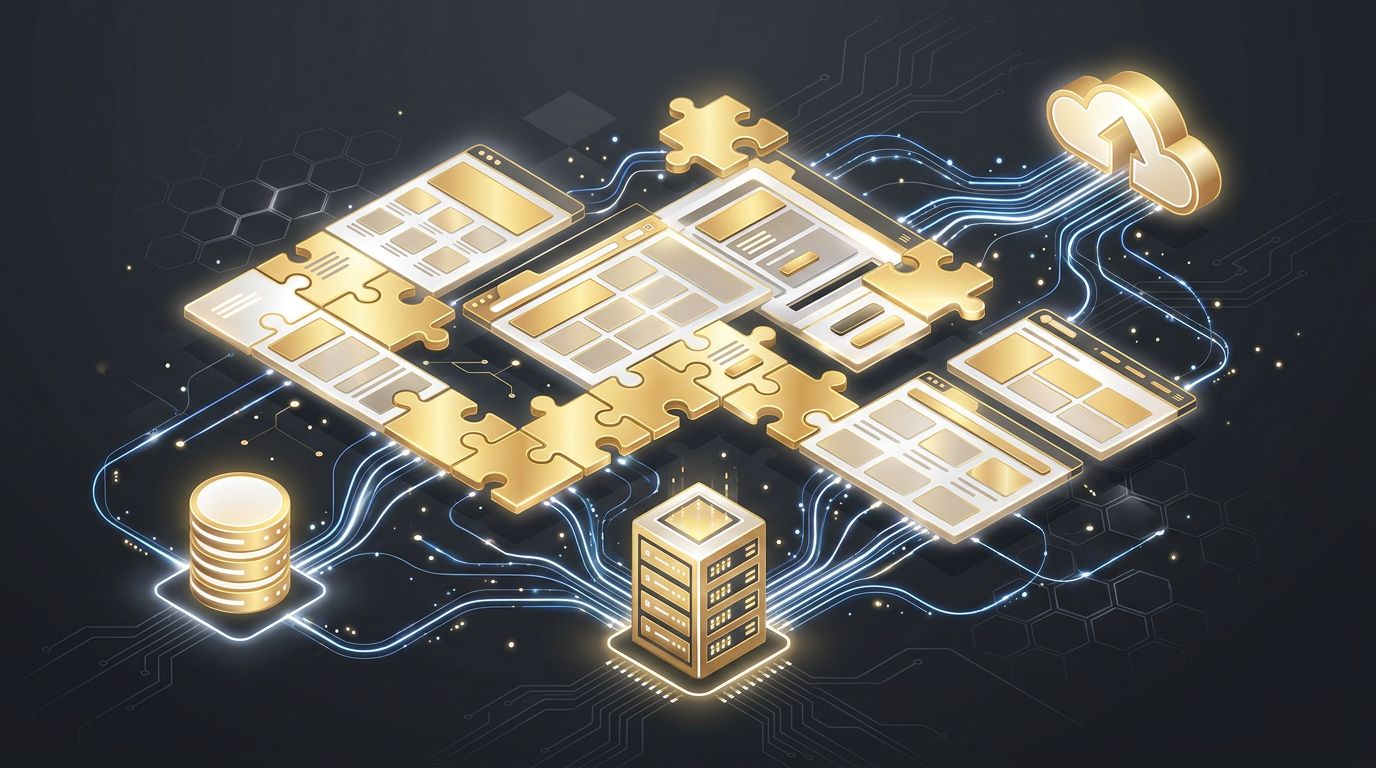
Every organization has unique processes, customers, and challenges. While off-the-shelf software and website templates can solve common problems, they often force businesses to adapt their workflows to the tool rather than the other way around. Custom web solution development flips that equation. It delivers websites, web applications, and digital platforms built around an organization's exact needs, helping teams work more efficiently, serve customers better, and scale without the limitations of generic software.
How AAMAX.CO Delivers Custom Web Solutions
Organizations that need tailored digital tools can partner with AAMAX.CO, a full-service digital marketing company providing web development, digital marketing, and SEO services worldwide. Their team helps businesses translate complex requirements into practical web solutions, from marketing websites and e-commerce platforms to customer portals and internal dashboards. They focus on understanding the problem first, then design and build solutions that are secure, scalable, and easy to use. Because they also bring marketing and SEO expertise, they ensure customer-facing solutions are visible, engaging, and aligned with business growth goals.
What Is a Custom Web Solution?
A custom web solution is any web-based product designed and built specifically for an organization. It can be a public-facing website, a browser-based application, an online marketplace, a booking system, a learning platform, or an internal tool that connects various business systems. What makes it custom is that its features, interface, and architecture are shaped by the organization's requirements rather than by a vendor's one-size-fits-all roadmap.
Custom solutions typically combine front-end interfaces that users interact with, back-end logic that processes data and business rules, databases that store information securely, and integrations with third-party services like payment gateways, CRMs, ERPs, and analytics platforms.
Common Types of Custom Web Solutions
- Corporate and marketing websites: Brand-focused sites optimized for lead generation and search visibility.
- E-commerce platforms: Online stores with custom product configurators, pricing rules, and fulfillment workflows.
- Customer portals: Secure areas where clients can view orders, invoices, documents, or support tickets.
- Internal business tools: Dashboards, inventory systems, scheduling tools, and reporting platforms for staff.
- SaaS products: Subscription-based applications sold to other businesses or consumers.
- Booking and reservation systems: Tools for appointments, rentals, events, or services with availability management.
Benefits of Custom Web Solution Development
The primary benefit of a custom solution is fit. Because it is designed around real workflows, users spend less time on workarounds and more time on productive work. Custom solutions also offer greater flexibility, allowing organizations to add features as needs evolve without waiting for a vendor to release an update.
Scalability is another major advantage. A well-architected solution can handle growing numbers of users, transactions, and data without performance issues. Security improves as well, since teams can implement protections tailored to their data and compliance requirements. Finally, custom solutions can create competitive advantages by enabling unique customer experiences that competitors using standard tools cannot easily replicate.
The Custom Development Lifecycle
Successful custom projects follow a structured lifecycle that reduces risk and keeps stakeholders aligned:
- Discovery and requirements: Stakeholder interviews, user research, and process mapping define what the solution must accomplish.
- Solution architecture: Developers choose the technology stack, plan data structures, and design integrations.
- UX and UI design: Wireframes and prototypes are tested with users before visual design is finalized.
- Agile development: Features are built in short sprints, allowing frequent reviews and adjustments.
- Quality assurance: Automated and manual testing verify functionality, performance, security, and accessibility.
- Deployment: The solution is launched with monitoring, backups, and rollback plans in place.
- Maintenance and evolution: Ongoing updates, bug fixes, and new features keep the solution valuable over time.
Choosing the Right Technology Stack
The technology stack influences performance, cost, and long-term maintainability. Popular front-end frameworks include React, Vue, and Angular, while back-end options range from Node.js and Python to PHP and .NET. Cloud platforms provide scalable hosting, and modern databases support everything from relational data to real-time updates. The best stack depends on the project's requirements, the expected scale, the existing systems it must connect with, and the skills available for future maintenance.
Design and User Experience Matter
Even the most powerful solution fails if users find it confusing. Strong website design and user experience principles ensure interfaces are intuitive, consistent, and accessible. Clear navigation, readable layouts, helpful feedback messages, and responsive design across devices all contribute to adoption. For customer-facing solutions, design directly impacts conversions; for internal tools, it impacts productivity and employee satisfaction.
When to Invest in a Web Application
Organizations should consider web application development when spreadsheets and disconnected tools start slowing teams down, when customers expect self-service capabilities, or when existing software cannot support a core process. A tailored application can automate repetitive tasks, centralize data, and provide real-time insights that improve decision-making. Over time, these efficiency gains often outweigh the initial development investment.
Planning a Successful Custom Project
Clear goals are the foundation of every successful project. Organizations should define what success looks like, whether it is reduced processing time, increased online sales, or improved customer satisfaction. Prioritizing a minimum viable product helps teams launch faster and gather real feedback before investing in advanced features. Involving end users early, maintaining open communication with developers, and budgeting for ongoing maintenance further increase the likelihood of success.
Conclusion
Custom web solution development empowers organizations to build digital tools that match their processes, serve their customers, and support long-term growth. From marketing websites to complex web applications, tailored solutions offer flexibility, scalability, and competitive advantages that generic software rarely provides. With a clear plan, a user-centered approach, and an experienced development partner, businesses can turn their unique requirements into powerful digital assets.
Want to publish a guest post on aamconsultants.org?
Place an order for a guest post or link insertion today.