
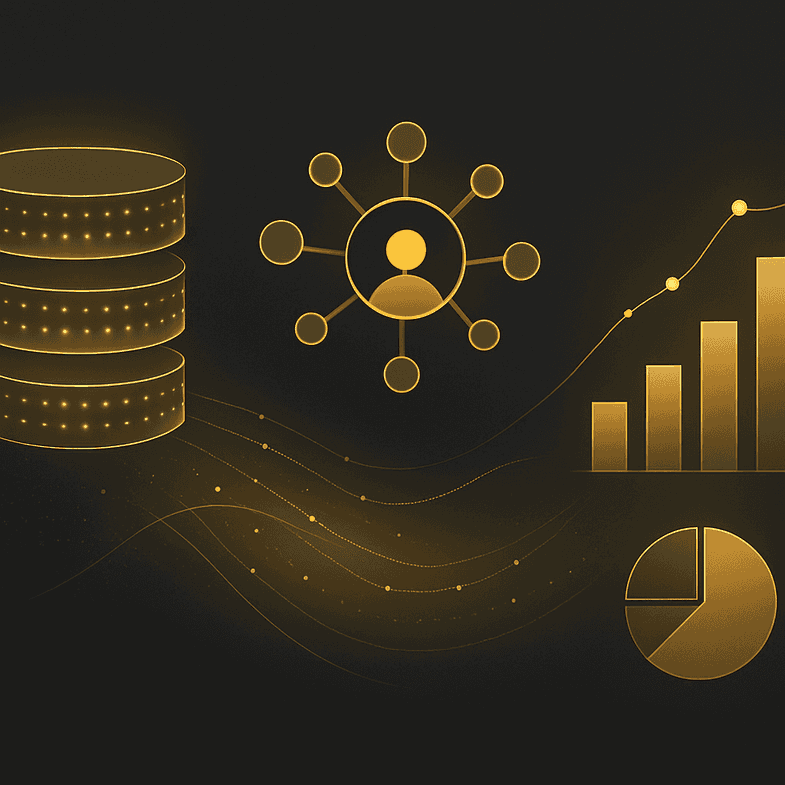
Understanding the Data Management Platform
A data management platform, commonly known as a DMP, is a centralized system that collects, organizes, and activates audience data from many sources. In digital marketing, a DMP serves as the brain that unifies fragmented information into a single, usable view of the audience. By bringing together data from websites, advertising platforms, customer systems, and third-party sources, a DMP enables marketers to understand their audiences deeply and target them with remarkable precision. As marketing becomes more data-driven, the DMP has emerged as a vital tool for brands that want to deliver relevant, personalized experiences at scale.
The core value of a DMP lies in its ability to transform scattered data into structured audience segments. Instead of guessing who their customers are, marketers can build detailed profiles based on real behavior, then use those profiles to deliver the right message to the right person at the right moment.
How AAMAX.CO Helps Brands Activate Their Data
Implementing and leveraging a data management platform effectively requires both technical know-how and marketing strategy. AAMAX.CO is a full-service digital marketing company offering web development, digital marketing, and SEO services worldwide. They help brands integrate their data sources, build meaningful audience segments, and activate that data across campaigns to improve targeting and return on investment. Their team bridges the gap between raw data and practical marketing, ensuring that the insights a DMP produces translate into measurable results.
Unifying Fragmented Data
Most brands collect data across many disconnected systems, leading to a fragmented and incomplete picture of their audience. A DMP solves this by consolidating data into a single repository. Website analytics, ad engagement, purchase history, and customer profiles all flow into one place, creating a unified view. This consolidation eliminates blind spots and allows marketers to make decisions based on the complete picture rather than isolated fragments.
Unified data also reduces wasted effort. When teams work from a single source of truth, they avoid contradictory conclusions and redundant work, allowing them to move faster and with greater confidence.
Powerful Audience Segmentation
The heart of a DMP is its segmentation capability. By analyzing collected data, marketers can group audiences based on demographics, interests, behaviors, and intent. These segments can be as broad or as granular as needed, from "all returning visitors" to "customers who viewed a specific product but did not purchase." Precise segmentation enables highly relevant messaging that resonates with each group's specific needs and motivations.
This relevance is what drives performance. When a campaign speaks directly to a well-defined audience, engagement and conversion rates rise dramatically compared to generic, one-size-fits-all messaging.
Activating Data Across Channels
A DMP becomes truly powerful when its segments are activated across marketing channels. The same audience insights can inform paid advertising, content personalization, and social media marketing efforts, ensuring a consistent and coordinated experience. A customer identified as highly interested can be reached with tailored ads, relevant website content, and timely social messages, all reinforcing one another to guide them toward conversion.
Improving Advertising Efficiency
One of the most immediate benefits of a DMP is improved advertising efficiency. By targeting precisely defined audiences and excluding those unlikely to convert, marketers reduce wasted spend and increase return. Combined with strategic Google ads campaigns, DMP-powered targeting ensures that advertising budgets reach the people most likely to take action. Lookalike modeling further extends reach by finding new prospects who resemble a brand's best customers.
Respecting Privacy and Building Trust
As data becomes central to marketing, responsible data management is essential. A well-governed DMP helps brands handle data ethically, honor consent, and comply with privacy regulations. By collecting only what is necessary and protecting it carefully, brands build the trust that makes customers comfortable sharing their information. Responsible data practices are not just a legal requirement; they are a foundation for lasting customer relationships.
Measuring and Refining Performance
A DMP continuously generates insight into how audiences respond to campaigns. By analyzing this feedback, marketers can refine their segments, adjust their messaging, and optimize their spending. This creates a cycle of continuous improvement in which each campaign informs the next, steadily increasing effectiveness over time.
The Strategic Advantage of a DMP
In a marketing environment defined by personalization and precision, a data management platform offers a powerful strategic advantage. By unifying data, enabling sophisticated segmentation, and activating insights across channels, a DMP helps brands deliver experiences that feel relevant and timely. For organizations serious about maximizing the value of their data, embracing a DMP is a decisive step toward smarter, more profitable digital marketing.
Want to publish a guest post on aamconsultants.org?
Place an order for a guest post or link insertion today.