
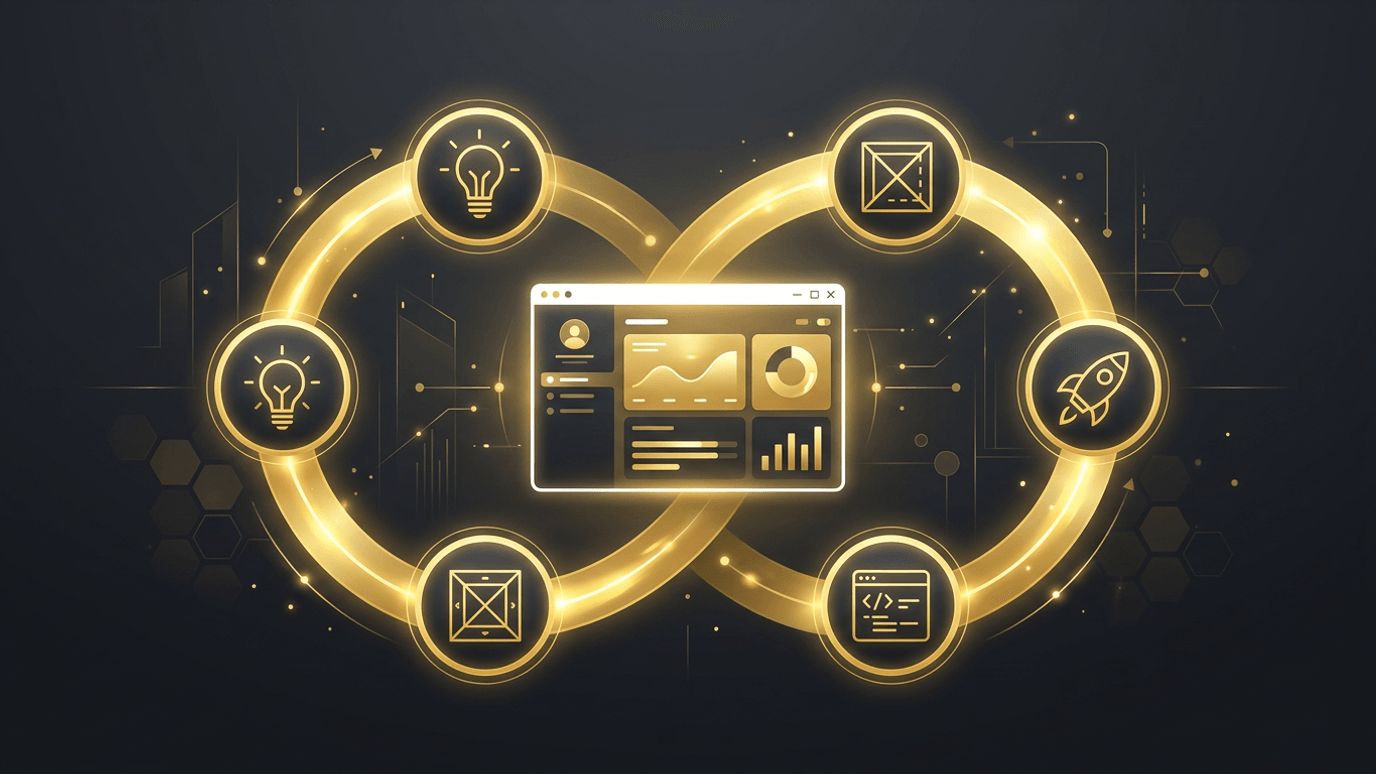
Web applications power much of modern life. Online banking, ecommerce checkouts, project management tools, streaming platforms, booking systems, and social networks are all web applications that run in the browser and respond to user actions in real time. Unlike static websites that primarily display information, web applications process data, manage user accounts, and deliver personalized experiences. Understanding the development of a web application, from planning to launch and beyond, helps businesses invest wisely and achieve better outcomes. This guide covers the complete lifecycle and best practices.
Partner With AAMAX.CO for End-to-End Web Application Development
Building a web application involves many moving parts, and experience makes the difference between a smooth launch and a troubled one. AAMAX.CO is a full service digital marketing company offering web development, digital marketing, and SEO services worldwide. Their team manages every stage of the development lifecycle, including discovery, design, coding, testing, deployment, and ongoing support, with transparent communication throughout. They build applications that are secure, scalable, and designed around real user needs. Businesses can hire AAMAX.CO for web application development that delivers reliable results from concept to launch.
What Is a Web Application?
A web application is interactive software accessed through a web browser. It typically consists of a front end that users interact with, a back end that processes logic and data, and a database that stores information. Because it runs in the browser, users can access it from any device without installing software, and updates are delivered instantly.
Stage One: Discovery and Requirements
Every successful project begins with understanding the problem. During discovery, stakeholders define business goals, target users, key features, and success metrics. Competitor research and user interviews reveal opportunities and pain points. The result is a clear set of requirements and priorities that guide the entire project.
Stage Two: Planning and Architecture
Next, the team plans the technical foundation. This includes selecting the technology stack, designing database structures, defining APIs, and planning for security, scalability, and integrations. Good architecture prevents costly rework and ensures the application can grow over time.
Stage Three: UX and UI Design
Designers create user flows, wireframes, and prototypes that map how users will move through the application. Visual design then applies branding, typography, and color to create an attractive, consistent interface. Usability testing with prototypes helps validate ideas before development begins.
Stage Four: Front-End Development
Front-end developers bring designs to life using HTML, CSS, JavaScript, and frameworks like React, Next.js, Vue, or Angular. They build responsive layouts, interactive components, forms, and client-side logic while ensuring accessibility and performance across devices and browsers.
Stage Five: Back-End Development
Back-end developers create the server-side logic that powers the application. This includes user authentication, data processing, business rules, API endpoints, and integrations with third-party services such as payment gateways, email providers, and CRMs. Languages and frameworks like Node.js, Laravel, Django, and .NET are common choices.
Stage Six: Database Design and Management
Data is at the heart of most web applications. Developers design efficient schemas, set up indexes, and implement secure access controls. Relational databases like PostgreSQL and MySQL are popular for structured data, while NoSQL options like MongoDB suit flexible data models.
Stage Seven: Testing and Quality Assurance
Thorough testing ensures the application works as intended. Unit tests verify individual functions, integration tests check how components work together, and end-to-end tests simulate real user journeys. Manual testing, cross-browser testing, performance testing, and security audits catch issues before launch.
Stage Eight: Deployment and Launch
Once tested, the application is deployed to production servers or cloud platforms. Continuous integration and continuous deployment pipelines automate builds and releases. Monitoring tools track uptime, errors, and performance from day one.
Stage Nine: Maintenance and Iteration
Launch is not the end. Successful web applications evolve based on user feedback and analytics. Ongoing maintenance includes security patches, dependency updates, performance tuning, bug fixes, and new features that keep the application competitive.
Best Practices for Web Application Development
Start with a minimum viable product to validate ideas quickly. Prioritize security with proper authentication, encryption, and input validation. Design mobile-first and follow accessibility standards. Write clean, documented code and use version control. Automate testing and deployment. Measure user behavior and iterate continuously.
Common Challenges and How to Overcome Them
Scope creep, unclear requirements, performance bottlenecks, and security vulnerabilities are common challenges. Clear documentation, agile workflows, regular stakeholder communication, and experienced developers help teams navigate these obstacles and deliver on time.
Choosing the Right Development Partner
The success of a web application often depends on the team building it. Look for partners with relevant portfolio projects, transparent processes, and strong communication. Ask about their approach to discovery, design, testing, and post-launch support. Clarify how they estimate timelines and handle changes in scope. A good partner will challenge assumptions, suggest improvements, and focus on business outcomes rather than simply writing code. Clear contracts covering ownership, maintenance, and service levels protect both parties throughout the relationship.
Conclusion
The development of a web application is a structured journey through discovery, planning, design, front-end and back-end development, database management, testing, deployment, and ongoing improvement. Following best practices and working with skilled professionals ensures that the final product is secure, scalable, user-friendly, and aligned with business goals.
Want to publish a guest post on aamconsultants.org?
Place an order for a guest post or link insertion today.