
Clearing Up a Common Confusion
Business owners frequently ask whether they need digital marketing or social media marketing, as if the two are competing choices. In reality, social media marketing is one channel that lives inside the much larger world of digital marketing. Understanding the relationship between the two helps you allocate your budget wisely, set realistic expectations, and build a strategy where every channel supports the others. Confusing the two often leads to over-investing in one platform while neglecting channels that could deliver a far better return.
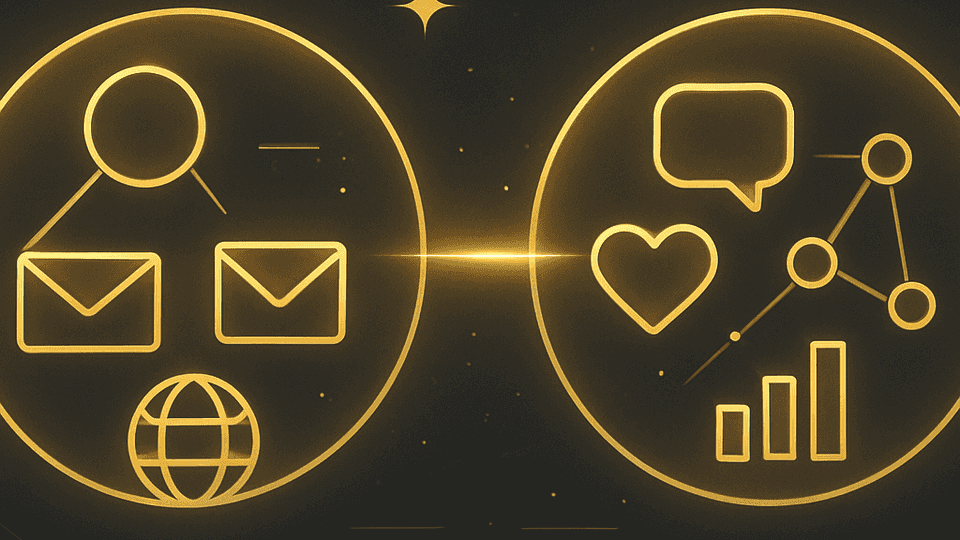
At its core, digital marketing is the umbrella term for every marketing effort that uses the internet or an electronic device. Social media marketing is a specialized subset focused specifically on platforms like Instagram, Facebook, LinkedIn, TikTok, and X.
How AAMAX.CO Brings Both Together
AAMAX.CO is a full service digital marketing company that helps businesses understand exactly which channels deserve their investment. Rather than pushing a one-size-fits-all approach, their team evaluates a brand's goals, audience, and budget to build an integrated plan where social media plays the right role alongside search, advertising, and web development. By treating social media as part of a broader ecosystem rather than a standalone tactic, AAMAX.CO helps clients avoid wasted spend and achieve compounding results across every digital touchpoint. Their worldwide experience means they have tested these strategies across many industries and markets.
What Digital Marketing Actually Includes
Digital marketing is broad. It includes search engine optimization, paid search, email marketing, content marketing, affiliate marketing, display advertising, and yes, social media. The defining trait is that all of these activities use digital channels to reach and convert an audience. A strong search engine optimization program, for example, focuses on earning visibility in search engines like Google so that customers find you when they actively search for solutions. That is fundamentally different from interrupting someone scrolling through their social feed.
Each digital channel serves a distinct purpose in the customer journey. Search captures high-intent demand, email nurtures existing relationships, and paid advertising accelerates reach. Social media, meanwhile, excels at brand awareness, community building, and engagement.
What Makes Social Media Marketing Unique
Social media marketing is about building relationships and visibility on platforms where people spend time for entertainment and connection rather than active searching. Effective social media marketing involves creating engaging content, fostering community, responding to comments, running platform-specific ad campaigns, and partnering with creators or influencers. The tone is often more conversational, visual, and personality-driven than other channels.
The key distinction is intent. On search engines, users are looking for something specific. On social platforms, you are interrupting an experience, which means your content has to earn attention through value, emotion, or entertainment. This changes everything about how content is created and measured.
The Biggest Differences at a Glance
There are several practical differences worth understanding. First, scope: digital marketing covers many channels, while social media marketing is one of them. Second, intent: search-based channels capture existing demand, while social media often creates demand. Third, metrics: social media emphasizes engagement, reach, and follower growth, while broader digital marketing tracks conversions, organic traffic, and return on ad spend across the entire funnel. Fourth, content style: social content is fast, visual, and frequent, while channels like SEO content and email tend to be longer-form and more evergreen.
Why You Should Not Choose Just One
The smartest brands do not pick between digital marketing and social media marketing, they integrate them. Social media can amplify your blog content, drive traffic that supports your SEO goals, and feed retargeting audiences for your paid campaigns. Meanwhile, paid efforts like Google ads capture high-intent buyers that social media first introduced to your brand. When these channels work together, the whole becomes greater than the sum of its parts.
For example, a customer might discover your brand through an entertaining social video, later search for your product on Google, and finally convert after seeing a retargeting ad. No single channel gets full credit, but each played a vital role in the journey.
Choosing the Right Mix for Your Business
The right balance depends on your industry, audience, and goals. A visually driven lifestyle brand may lean heavily on social media, while a B2B software company may prioritize search and content. Because these decisions have real budget implications, many businesses benefit from a digital marketing consultancy that can audit their current performance and recommend the optimal channel mix based on data rather than guesswork.
Final Thoughts
Digital marketing and social media marketing are not rivals, they are related parts of the same system. Social media is a powerful, high-engagement channel, but it works best when integrated into a complete digital strategy. By understanding the difference and using both intentionally, businesses can build awareness, capture demand, and convert customers more effectively than they ever could with a single channel alone.
Want to publish a guest post on aamconsultants.org?
Place an order for a guest post or link insertion today.