
Understanding Digital Marketing and Inbound Marketing
Digital marketing and inbound marketing are often mentioned in the same breath, yet they describe two complementary ideas. Digital marketing is the broad umbrella that covers every promotional activity carried out through digital channels, including websites, search engines, email, social platforms, and paid advertising. Inbound marketing is a philosophy that sits inside that umbrella, focused on earning attention by creating genuinely useful content rather than interrupting people with intrusive ads. When the two are combined, businesses can attract the right audience, nurture relationships over time, and convert interest into lasting loyalty.
The modern buyer journey is no longer linear. People research, compare, and decide across many touchpoints before they ever speak to a salesperson. Inbound marketing meets buyers at each of these moments with relevant answers, while digital marketing ensures those answers are visible wherever the audience happens to be searching or scrolling.
How AAMAX.CO Supports Your Inbound Strategy
For organizations that want to build a sustainable inbound engine, partnering with experts can accelerate results. AAMAX.CO is a full service digital marketing company that helps brands worldwide design content-driven campaigns, optimize their websites, and grow qualified traffic. Their team blends strategy, creative, and analytics so that every piece of content has a clear purpose in the funnel. Businesses looking to attract more of the right visitors can hire AAMAX.CO to plan, execute, and refine inbound programs that align with measurable goals.
The Core Stages of Inbound Marketing
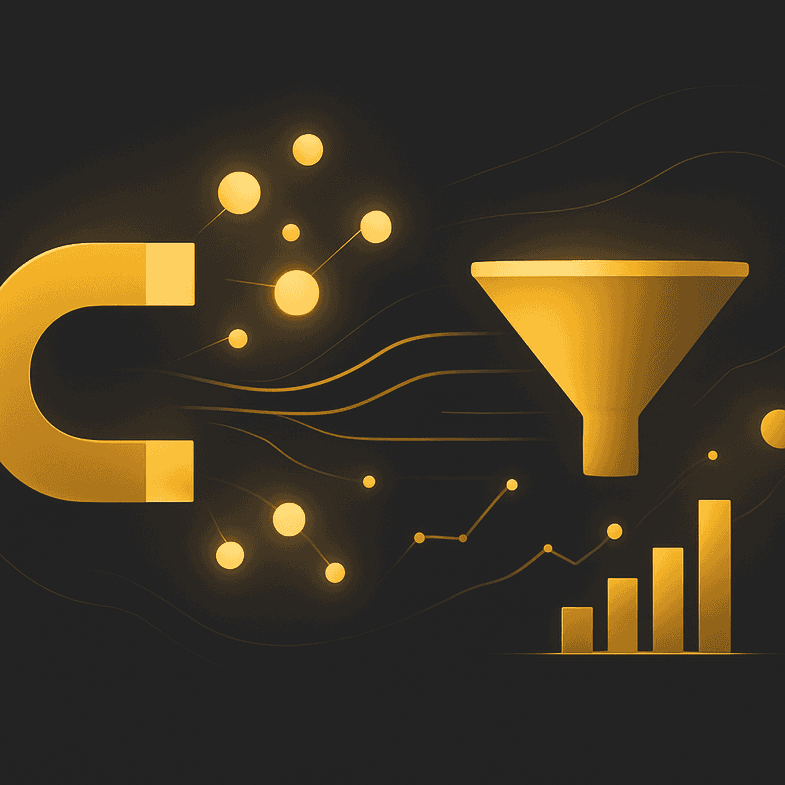
Inbound marketing typically follows four connected stages: attract, convert, close, and delight. In the attract stage, you publish blog posts, guides, and videos that answer the questions your audience is already asking. The convert stage turns anonymous visitors into known leads through forms, lead magnets, and clear calls to action. During the close stage, email nurturing and personalized offers guide leads toward a confident purchase. Finally, the delight stage keeps customers happy with helpful resources and proactive support, turning them into promoters who refer others.
Content as the Engine of Inbound
Content is the fuel that powers inbound marketing. High-quality articles, case studies, and tutorials demonstrate expertise and build trust before a prospect is ready to buy. To ensure this content gets discovered, search engine optimization aligns each page with the keywords and intent of your audience. Pairing helpful content with strong technical SEO means your best resources rank well and continue to drive traffic long after they are published.
Amplifying Reach Across Channels
While inbound focuses on earning attention, smart distribution makes content travel further. Social media marketing extends the reach of your articles, sparks conversations, and builds community around your brand. For moments when you need faster visibility, paid campaigns through Google ads can place your offers directly in front of high-intent searchers, complementing the slower but compounding gains of organic inbound efforts.
Measuring What Matters
One of the greatest advantages of combining digital and inbound marketing is measurability. You can track traffic sources, conversion rates, email engagement, and customer lifetime value with precision. These insights reveal which topics resonate, which channels deliver the best return, and where the funnel needs improvement. Continuous testing and refinement transform marketing from guesswork into a predictable growth system.
Building Trust for the Long Term
Inbound marketing is fundamentally about trust. By consistently helping rather than selling, brands earn permission to stay in the conversation. Over months and years, this trust compounds into authority, reputation, and a steady stream of inbound inquiries. The businesses that win are those that treat content as an asset, invest in their audience relationships, and let value lead the way.
Final Thoughts
Digital marketing and inbound marketing are most powerful when used together. Digital channels provide reach and precision, while inbound provides relevance and trust. Brands that align both will attract better-fit customers, spend their budgets more efficiently, and create a marketing system that grows stronger over time. With the right strategy and a dependable partner, sustainable growth is well within reach.
Want to publish a guest post on aamconsultants.org?
Place an order for a guest post or link insertion today.