
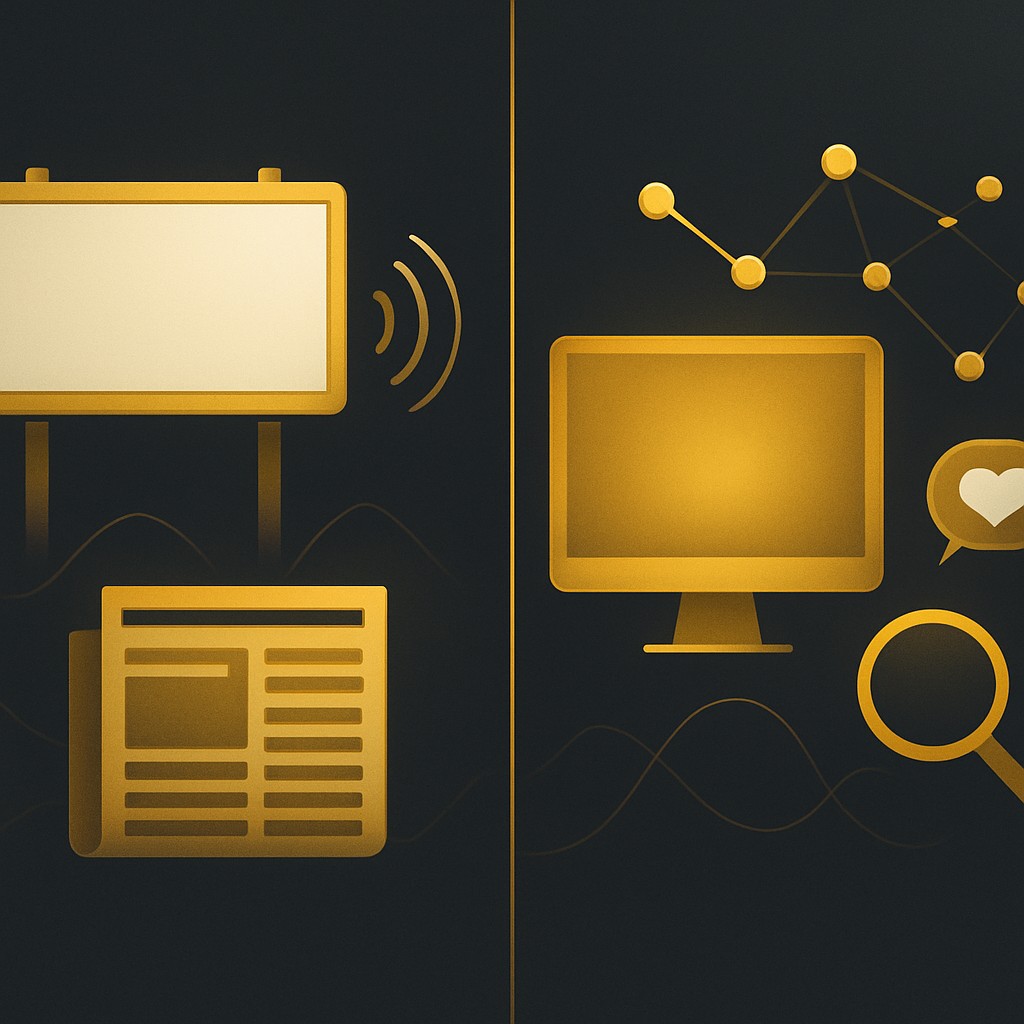
Marketing has undergone a profound transformation over the past two decades. Where businesses once relied almost entirely on print, radio, television, and billboards, they now have access to a vast array of digital channels that offer precision, measurability, and global reach. Understanding the differences in digital marketing strategy vs traditional marketing helps businesses allocate their budgets wisely and choose the approaches that best serve their goals. Each has strengths and limitations, and the smartest strategies often blend the two thoughtfully.
Navigating the Marketing Mix With AAMAX.CO
Businesses deciding how to balance their marketing investments can turn to AAMAX.CO, a full-service digital marketing company offering web development, SEO, and marketing services worldwide. They help organizations understand which channels deliver the best return for their specific goals and build integrated strategies that maximize impact. Their expertise helps businesses transition confidently into digital marketing while making the most of every marketing dollar.
Understanding Traditional Marketing
Traditional marketing encompasses the channels businesses have used for generations: television commercials, radio spots, print advertisements, billboards, direct mail, and event sponsorships. These channels excel at building broad brand awareness and reaching large local or mass audiences. They carry a sense of legitimacy and can make a strong impression, particularly for established brands targeting wide demographics. However, traditional marketing is typically expensive, difficult to measure precisely, and offers limited ability to target specific audiences.
Understanding Digital Marketing
Digital marketing operates across online channels including search engines, social media, email, and websites. Its defining advantages are precision targeting, measurability, and flexibility. A strong foundation in search engine optimization connects businesses with people actively searching for their products, while social and email channels nurture relationships over time. Digital marketing allows businesses to reach exactly the right audience, track every interaction, and adjust campaigns in real time based on performance data.
Cost and Accessibility
One of the most significant differences lies in cost. Traditional marketing often requires substantial upfront investment, making it difficult for small businesses to compete with larger players. Digital marketing levels the playing field, allowing businesses of any size to start with modest budgets and scale as results prove out. Running Google ads, for example, lets a small business appear alongside industry giants for relevant searches, paying only when someone clicks. This accessibility has democratized marketing in ways traditional channels never could.
Targeting and Personalization
Traditional marketing casts a wide net, reaching many people regardless of whether they are interested. Digital marketing, by contrast, enables precise targeting based on demographics, interests, behavior, and location. This precision means budget is spent reaching people most likely to convert, dramatically improving efficiency. Personalization takes this further, delivering tailored messages to different audience segments and creating more relevant, effective campaigns that resonate with individual needs.
Measurability and Accountability
Perhaps the greatest advantage of digital marketing is measurability. Traditional channels make it difficult to know exactly how many sales a billboard or radio ad generated. Digital marketing tracks every click, conversion, and dollar of return, providing clear accountability. This data allows businesses to identify what works, eliminate what does not, and continuously optimize for better results. The ability to measure and refine makes digital marketing a far more efficient use of resources.
Reach and Engagement
Traditional marketing typically delivers one-way communication, broadcasting a message to a passive audience. Digital marketing enables two-way engagement, allowing businesses to interact with customers, respond to feedback, and build genuine relationships. This interactivity fosters loyalty and community in ways traditional channels cannot. Additionally, digital channels offer global reach, allowing even small businesses to connect with audiences far beyond their local area.
Choosing the Right Approach
The choice is rarely all or nothing. While digital marketing offers superior targeting, measurability, and cost-efficiency, traditional channels still hold value for certain goals and audiences. A local business might combine digital campaigns with community event sponsorships, while a national brand might pair television advertising with digital retargeting. The most effective strategies integrate both, using each channel for what it does best while measuring overall impact carefully.
Conclusion
In the comparison of digital marketing strategy vs traditional marketing, digital approaches generally offer greater precision, measurability, and cost-efficiency, making them essential for modern businesses. Traditional channels retain value for broad awareness and certain audiences, but the future clearly favors digital. By understanding the strengths of each and integrating them strategically, businesses maximize their impact. With an experienced marketing partner guiding the way, organizations can navigate this evolving landscape and invest where it delivers the greatest return.
Want to publish a guest post on aamconsultants.org?
Place an order for a guest post or link insertion today.