
Understanding the Big Picture
The terms digital marketing and social media marketing are used interchangeably so often that many business owners assume they mean the same thing. In reality, social media marketing is one channel inside the much larger discipline of digital marketing. Confusing the two can lead to lopsided budgets, missed opportunities, and a strategy that leans too heavily on a single platform. Understanding how they relate helps you build a balanced plan that reaches customers wherever they spend their time online.
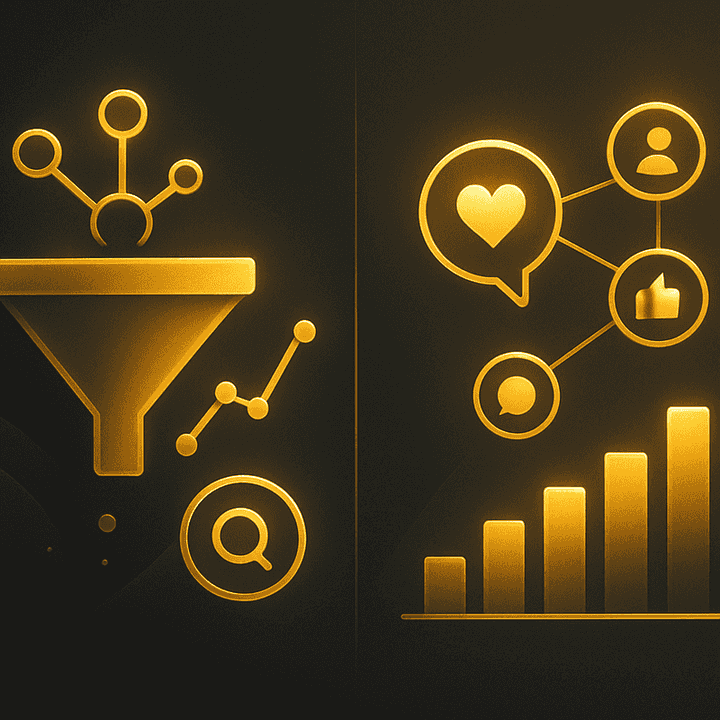
At its core, digital marketing is the practice of promoting products and services across every online channel. It includes search engines, websites, email, paid ads, content, and yes, social media. Social media marketing is the focused art of building an audience and driving action specifically on platforms like Instagram, Facebook, LinkedIn, TikTok, and X.
Partner With AAMAX.CO for Full-Funnel Growth
If you want a partner who understands how every online channel fits together, AAMAX.CO is worth a serious look. They are a full-service digital marketing company that helps brands worldwide with web development, SEO, and performance marketing. Because their team works across the entire funnel, they can show you when social media should lead the strategy and when search, email, or paid media will deliver a stronger return. You can learn more about how they approach growth at AAMAX.CO, where their experts tailor campaigns to your goals rather than forcing every business into the same template.
What Digital Marketing Covers
Digital marketing is an umbrella term, and each channel under it serves a distinct purpose. Search engine optimization helps your website rank for the keywords your customers type into Google. Paid search and display advertising put your offer in front of high-intent buyers instantly. Email marketing nurtures leads over time, while content marketing builds authority and trust. When these channels work together, they create multiple paths for customers to discover, evaluate, and choose your brand.
One of the biggest advantages of a broad digital strategy is resilience. If one channel becomes more expensive or an algorithm changes overnight, your business does not collapse because you are not dependent on a single source of traffic. A strong foundation in search engine optimization, for example, continues to deliver organic visitors month after month without paying for every click.
What Social Media Marketing Does Best
Social media marketing excels at brand building, community, and engagement. It is where personality shines, where customers interact directly with your business, and where word of mouth spreads quickly. Platforms reward content that sparks conversation, so social media is ideal for storytelling, behind-the-scenes moments, product launches, and customer service.
It is also a powerful advertising engine. With detailed targeting based on interests, demographics, and behavior, social media marketing lets you reach precise audiences at relatively low cost. The trade-off is that social platforms are rented land. You do not own your followers the way you own your email list or website, and reach can drop the moment an algorithm shifts.
Where the Two Overlap
The line between the disciplines blurs because they constantly feed each other. A blog post optimized for search can be repurposed into a series of social posts. A viral video on social media can drive a surge of branded searches on Google. Retargeting campaigns follow people who visited your website and show them ads inside their social feeds. The smartest marketers stop thinking of these as separate silos and instead treat them as connected stages of one customer journey.
How to Choose Your Focus
The right balance depends on your goals, audience, and resources. If you sell visually driven products to consumers, social media may deserve a larger share of attention. If you sell complex services and customers research heavily before buying, search and content marketing often produce a higher return. Most growing businesses benefit from a blended approach where social media builds awareness and community while search and email convert that interest into revenue.
Budget also matters. Social media can deliver fast visibility, but the moment you stop paying, the traffic stops. Investing in SEO and a strong website builds an asset that compounds over time. A balanced plan uses paid social for speed and organic search for long-term stability.
Common Mistakes to Avoid
The most common mistake businesses make is treating social media as their entire marketing strategy rather than one piece of it. When all your effort goes into a single platform, you become vulnerable to algorithm changes, rising ad costs, and shifting audience habits. Another frequent error is chasing follower counts and likes instead of measuring real outcomes like leads and sales. Vanity metrics feel good but rarely pay the bills. Finally, many brands fail to connect their channels, posting on social media while neglecting the website and search experience that actually convert interest into revenue. Avoiding these pitfalls keeps your strategy balanced, resilient, and focused on results that matter.
Final Thoughts
Digital marketing and social media marketing are not rivals, they are partners. Social media is a vital channel, but it is most powerful when it operates inside a complete digital strategy that includes search, content, email, and a high-performing website. By understanding how the pieces fit together, you can stop guessing and start building a marketing engine that reaches customers everywhere they look. Whether you manage it in-house or work with a specialist team, the goal is the same: meet your audience on every screen and guide them confidently toward a purchase.
Want to publish a guest post on aamconsultants.org?
Place an order for a guest post or link insertion today.