
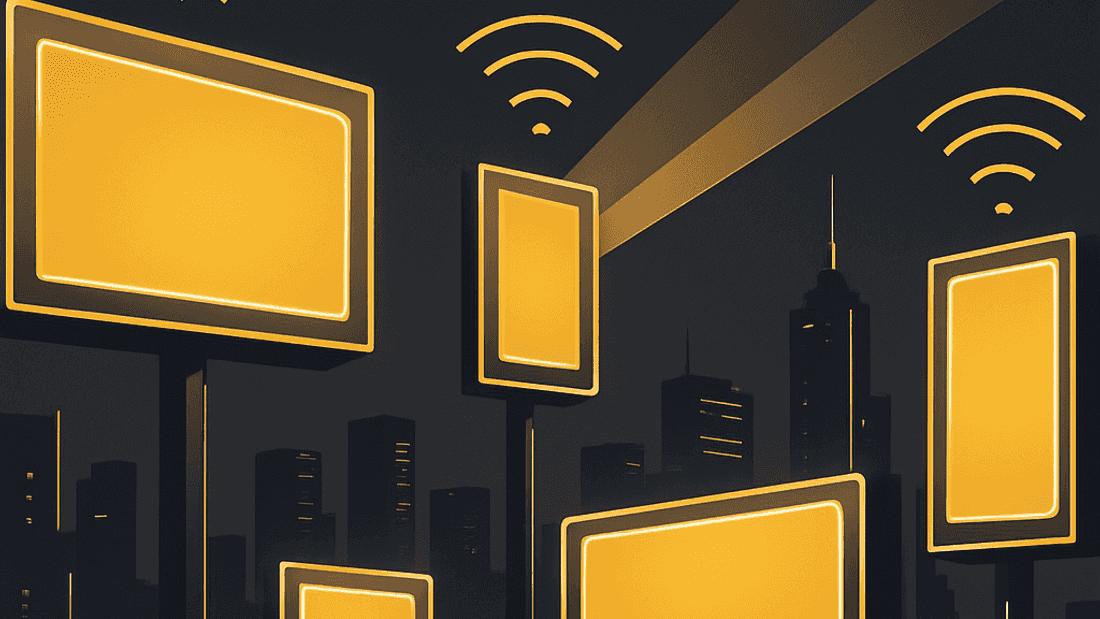
Out of home advertising has been around for more than a century, but its digital evolution has transformed it into one of the most dynamic channels in modern marketing. Digital out of home, often abbreviated as DOOH, refers to digital screens and displays placed in public spaces, from billboards along highways to screens in shopping malls, airports, transit stations, and elevators. Unlike static posters, these displays can be updated instantly, scheduled by time of day, and even triggered by real-world conditions. The result is a medium that combines the broad reach of traditional outdoor advertising with the flexibility of digital.
How AAMAX.CO Can Help
Running a DOOH campaign that connects with the rest of your marketing requires careful planning and integration. AAMAX.CO is a full-service digital marketing company offering web development, digital marketing, and SEO services worldwide, and they help brands weave out of home advertising into a cohesive omnichannel strategy. Their team ensures that the awareness generated by physical screens flows into measurable online action, connecting offline impressions with your broader digital marketing efforts so no attention is wasted.
What Sets DOOH Apart
The defining advantage of digital out of home is flexibility. Traditional billboards require printing and physical installation, locking you into a single creative for weeks. Digital displays can rotate multiple messages, swap creative in real time, and respond to context such as weather, traffic, or time of day. A coffee brand can promote hot drinks on a cold morning and iced options in the afternoon heat. This responsiveness, combined with the unmissable physical presence of a large screen, gives DOOH a unique blend of impact and agility.
Programmatic DOOH and Targeting
One of the biggest shifts in the medium is programmatic buying. Just as online display ads can be purchased through automated platforms, DOOH inventory can now be bought programmatically, allowing advertisers to target specific locations, times, and audience profiles. Using anonymized mobile location data, brands can reach screens in areas where their target audience is most likely to be. This data-driven approach brings the precision of digital advertising to the physical world, making out of home far more measurable and efficient than it was in the past.
Integrating DOOH with Online Channels
DOOH performs best when it does not stand alone. The most effective campaigns connect physical impressions with online experiences. A screen might display a memorable message and a simple call to action, while retargeting reaches people who were recently near that location with follow-up ads on their devices. Pairing outdoor exposure with social media marketing amplifies the message and encourages people to engage, share, and convert. This omnichannel approach turns a one-way billboard into the start of a two-way conversation.
Creative Best Practices
Designing for digital out of home requires a different mindset than designing for a web page. Viewers often see the screen for only a few seconds, sometimes from a moving vehicle, so simplicity is essential. Use bold visuals, minimal text, and a single clear message. High contrast and large fonts ensure readability from a distance. Motion and animation can capture attention, but they should enhance the message rather than distract from it. Because the creative can be updated easily, brands can test variations and refine what resonates over the course of a campaign.
Measuring DOOH Effectiveness
Measurement has long been the weak point of outdoor advertising, but DOOH has narrowed the gap considerably. Modern campaigns track estimated impressions based on traffic and audience data, and they can correlate exposure with online behavior such as branded search lifts, website visits, and store traffic. By using unique landing pages, promo codes, or location-based attribution, marketers can connect physical exposure to digital outcomes. This growing measurability is a major reason budgets continue to shift toward the channel.
When DOOH Makes Sense
Digital out of home is not right for every objective, but it excels at building broad awareness and reinforcing brand presence. It is especially effective for local businesses targeting a specific geographic area, for product launches that need mass visibility, and for brands that want to dominate share of mind in a particular market. It also complements digital-only campaigns by adding a tangible, real-world touchpoint that builds trust and recall. The key is to define your goal clearly and design the campaign to support it.
Final Thoughts
Digital out of home marketing represents the best of both worlds: the commanding presence of physical advertising and the agility of digital media. As programmatic buying and measurement continue to mature, DOOH is becoming an increasingly accountable and strategic channel. When integrated thoughtfully with online efforts, it amplifies awareness and drives measurable action. The brands that get the most from the channel treat it not as a standalone billboard but as one connected piece of a larger, data-informed strategy that follows the customer from the street to the screen in their pocket. As targeting and measurement continue to improve, the gap between physical and digital advertising keeps closing. For brands looking to stand out in both the physical and digital worlds, a well-planned DOOH strategy can be a powerful addition to the marketing mix.
Want to publish a guest post on aamconsultants.org?
Place an order for a guest post or link insertion today.