
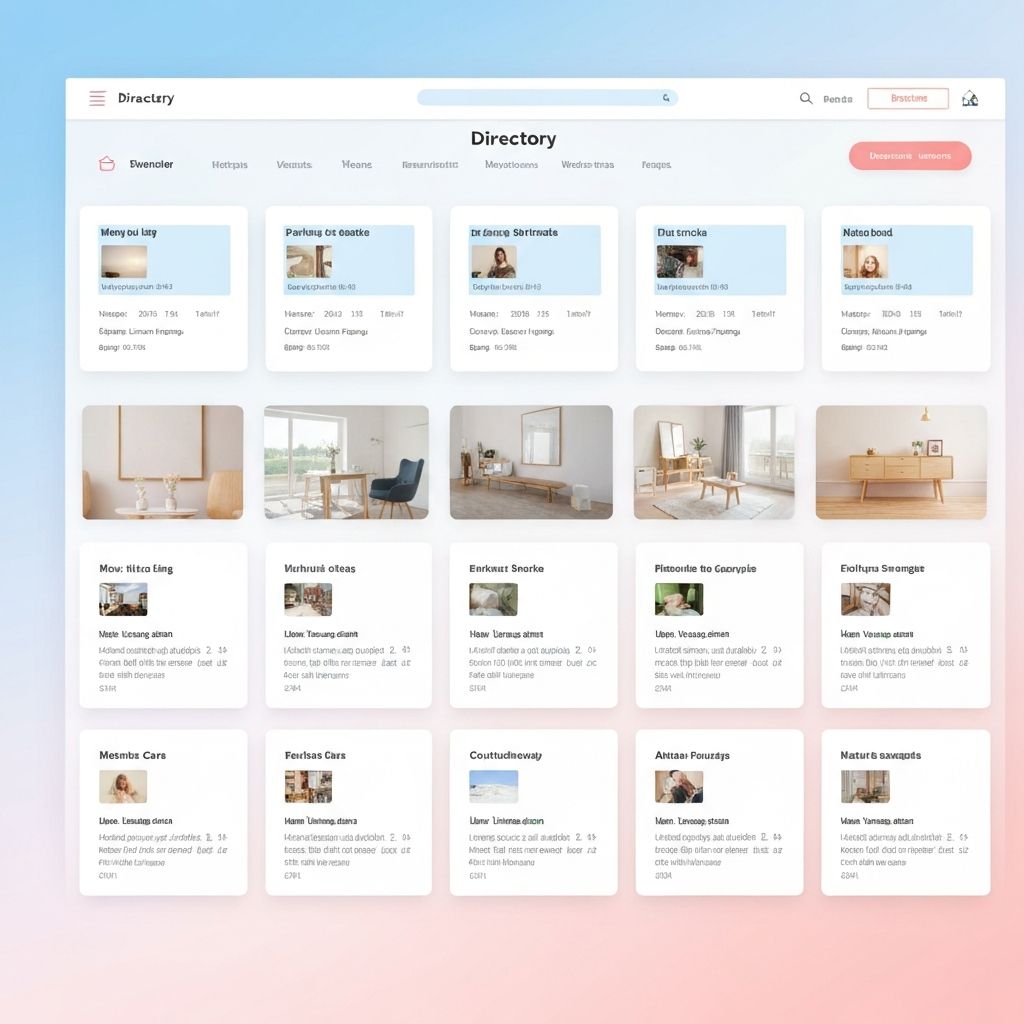
Understanding Directory Web Design
Directory web design focuses on creating websites that organize and present large collections of listings, businesses, services, or resources in a way that helps users find exactly what they need. From local business directories and real estate listings to job boards and travel platforms, directory websites serve as searchable databases with user-friendly interfaces. The success of any directory site hinges on how effectively its design balances comprehensive information with effortless navigation.
Hire AAMAX.CO for Professional Directory Web Design
Building a successful directory website requires expertise in database architecture, search functionality, and user experience design. AAMAX.CO offers complete website development services tailored for directory platforms of any scale. Their team specializes in creating performant, scalable directory sites with advanced filtering, mapping integration, and monetization features. They have helped clients across industries launch directory platforms that attract users and generate sustainable revenue.
Essential Features of Directory Websites
Every successful directory website shares a core set of features designed to make finding information simple and efficient. Robust search functionality stands at the top of the list, allowing users to query by keywords, location, category, and other relevant attributes. Advanced filtering and sorting options let users narrow results based on price, ratings, distance, availability, or any criteria specific to the directory's niche.
Detailed listing pages provide comprehensive information about each entry, including descriptions, photos, contact details, hours of operation, reviews, and maps. User accounts enable visitors to save favorites, leave reviews, and contact listings directly. Administrative dashboards allow listing owners to manage their information, respond to inquiries, and track performance metrics.
Designing for Effective Search
Search is the heart of any directory website. The search interface should be prominently displayed, ideally above the fold on the homepage. Autocomplete suggestions, search history, and popular searches reduce typing effort and guide users toward relevant results. Geolocation features can automatically suggest nearby listings, particularly valuable for local business directories.
Search results pages should present information in scannable formats, balancing visual elements like photos with key text details. Map views integrated alongside list views give users multiple ways to explore results based on their preferences. Pagination, infinite scroll, or load-more buttons handle large result sets without overwhelming users or slowing page performance.
Listing Card Design
The way individual listings appear in search results dramatically affects user behavior. Effective listing cards include a high-quality featured image, clear title, key details like rating and price, and visual cues for important attributes. Consistency across cards helps users compare options quickly, while subtle differentiation highlights premium or featured listings.
White space, typography hierarchy, and color all contribute to scannable card designs. Hover states or tap interactions can reveal additional information without cluttering the default view. Mobile optimization is essential, as listing cards must remain readable and tappable on small screens.
Navigation and Categorization
Most directories contain too many listings to display flat. Thoughtful categorization and navigation structures help users browse when they don't have specific search queries in mind. Hierarchical categories, tag clouds, and curated collections offer different ways to discover content.
Breadcrumb navigation helps users understand where they are within the directory's structure and easily return to broader categories. Faceted navigation, combining multiple filters in real time, has become standard for directories with rich attribute data. Sticky filters that remain visible while scrolling improve usability on long results pages.
User-Generated Content and Reviews
Reviews, ratings, and user-generated content add tremendous value to directory websites by providing social proof and helping users make informed decisions. Designing review systems requires balancing accessibility with quality control. Moderation tools, verification systems, and clear reporting mechanisms help maintain content integrity.
Visual presentation of reviews matters as much as the reviews themselves. Star ratings, review summaries, photo uploads, and helpful vote buttons all enhance the user experience. Highlighting verified or recent reviews builds trust, while filtering options let users focus on the perspectives most relevant to them.
Monetization-Friendly Design
Most directory websites need to generate revenue through paid listings, premium placements, advertising, or subscription models. Design must accommodate these monetization features without compromising user trust. Clearly labeled sponsored or featured listings maintain transparency while providing visibility for paying customers.
Premium listing tiers can include enhanced visual elements like larger photos, video, badges, or expanded information sections. Designing these tiers thoughtfully ensures they add value for both businesses and users while remaining clearly distinguished from organic listings.
Performance Considerations
Directory websites often handle thousands or millions of listings, making performance a critical design consideration. Image optimization, lazy loading, efficient database queries, and aggressive caching strategies keep pages fast even with massive datasets. Search functionality especially benefits from optimization, as users expect near-instant results.
Progressive web app techniques can make directory sites feel app-like, with offline capabilities and push notifications for saved searches or new listings. These enhancements improve user retention and engagement, particularly for directories users return to frequently.
Mobile-First Directory Design
The majority of directory searches happen on mobile devices, especially for local-focused directories. Mobile design must prioritize quick search, easy filtering, and tap-friendly listing cards. Click-to-call buttons, directions integration, and one-tap saving streamline common user actions on the go.
Conclusion
Directory web design combines database thinking with user experience artistry to create platforms that connect users with the information, businesses, or services they seek. By focusing on powerful search, intuitive navigation, compelling listing presentation, and performance, directory websites can become indispensable resources for their target audiences. With careful planning and skilled execution, your directory platform can stand out in its niche and build lasting value for users and listing partners alike.
Want to publish a guest post on aamconsultants.org?
Place an order for a guest post or link insertion today.