
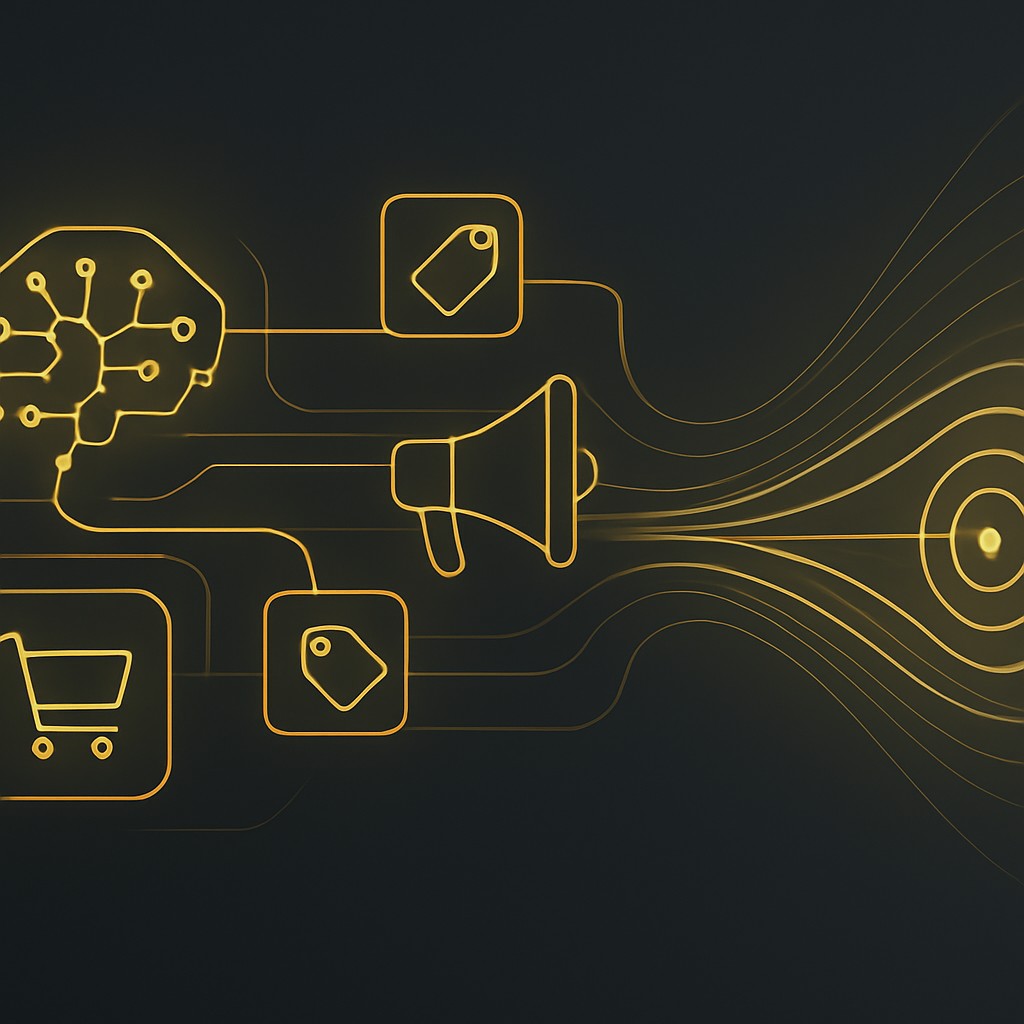
The Rise of AI in Product Marketing
The short answer is yes, and the adoption rate is accelerating faster than most people realize. Marketers across nearly every industry now rely on artificial intelligence to plan campaigns, write copy, analyze customer behavior, and personalize product recommendations. What started as a curiosity reserved for large enterprises with deep budgets has become a practical, accessible toolkit for small businesses, solopreneurs, and global brands alike. From the moment a shopper sees a targeted ad to the follow-up email that lands in their inbox, AI is quietly shaping the experience.
People use AI to market products because it solves three persistent problems: speed, scale, and relevance. A human team can only produce so many ad variations, analyze so much data, or respond to so many customers in a day. AI removes those ceilings, allowing marketers to test more ideas, reach more people, and tailor messaging to individual preferences without burning out their teams.
How AAMAX.CO Helps Brands Market With AI
For businesses that want to put artificial intelligence to work without building an in-house data science team, AAMAX.CO offers a full-service solution. They specialize in AI-driven marketing strategies that combine creative storytelling with data intelligence, helping brands launch smarter campaigns and reach the right audiences. Their team understands that AI is only as effective as the strategy behind it, which is why they pair advanced tools with human expertise. Whether a company needs digital marketing support, automated content pipelines, or end-to-end campaign management, they deliver measurable results for clients worldwide.
Common Ways Marketers Use AI Today
One of the most popular applications is content generation. AI writing assistants help marketers draft product descriptions, social media posts, ad headlines, and email sequences in a fraction of the time it once took. Rather than replacing creativity, these tools accelerate it by handling first drafts and freeing humans to refine tone and brand voice.
Personalization is another major use case. AI analyzes browsing history, purchase patterns, and engagement signals to recommend products each customer is most likely to buy. This is the technology behind the "customers also bought" sections and the eerily accurate product suggestions that drive a large share of e-commerce revenue.
Marketers also lean on AI for audience targeting and ad optimization. Machine learning models predict which segments will respond best to a given offer, then automatically adjust bids, budgets, and creative in real time. This reduces wasted ad spend and improves return on investment across platforms like Google, Meta, and TikTok.
AI in Visual and Video Marketing
Beyond text, AI now powers visual content creation. Brands generate product imagery, social graphics, and even short-form video using generative tools. This is especially valuable for businesses that need a steady stream of fresh creative but lack the resources for constant photo shoots or design work. AI-generated visuals can be produced, tested, and iterated on rapidly, keeping marketing pipelines full and campaigns visually consistent.
Data Analysis and Customer Insights
Perhaps the most transformative use of AI in marketing happens behind the scenes. Predictive analytics tools sift through enormous volumes of customer data to identify trends, forecast demand, and flag churn risks before they become problems. Marketers use these insights to decide which products to promote, when to launch, and how to price competitively. The result is a marketing strategy grounded in evidence rather than guesswork.
Chatbots and Conversational Commerce
AI-powered chatbots have become a frontline marketing and sales tool. They answer product questions, guide shoppers toward the right purchase, and capture leads around the clock. Modern conversational AI can handle nuanced queries, recommend complementary products, and even recover abandoned carts, turning customer service interactions into revenue opportunities.
The Balance Between AI and Human Creativity
While AI handles repetitive and data-heavy tasks brilliantly, the brands that succeed treat it as a partner rather than a replacement. Human marketers still set strategy, define brand identity, and bring emotional intelligence to campaigns. The most effective product marketing blends AI efficiency with human authenticity, ensuring messaging feels genuine rather than mechanical. Audiences can sense when content lacks a human touch, so the goal is augmentation, not automation for its own sake.
Looking Ahead
As AI tools grow more capable and more affordable, their role in product marketing will only deepen. We can expect more sophisticated personalization, smarter automation, and tighter integration between creative and analytics. Businesses that learn to harness these capabilities now will hold a significant advantage over competitors who hesitate. The question is no longer whether people use AI to market products, but how quickly companies can adopt it responsibly and effectively.
Conclusion
AI has firmly established itself as a core component of modern product marketing. From content creation and personalization to analytics and customer service, artificial intelligence touches nearly every stage of the buyer journey. For companies ready to embrace this shift, partnering with experienced professionals makes all the difference. With the right strategy and the right team behind them, brands can use AI to market products more efficiently, reach larger audiences, and build deeper customer relationships than ever before.
Want to publish a guest post on aamconsultants.org?
Place an order for a guest post or link insertion today.