
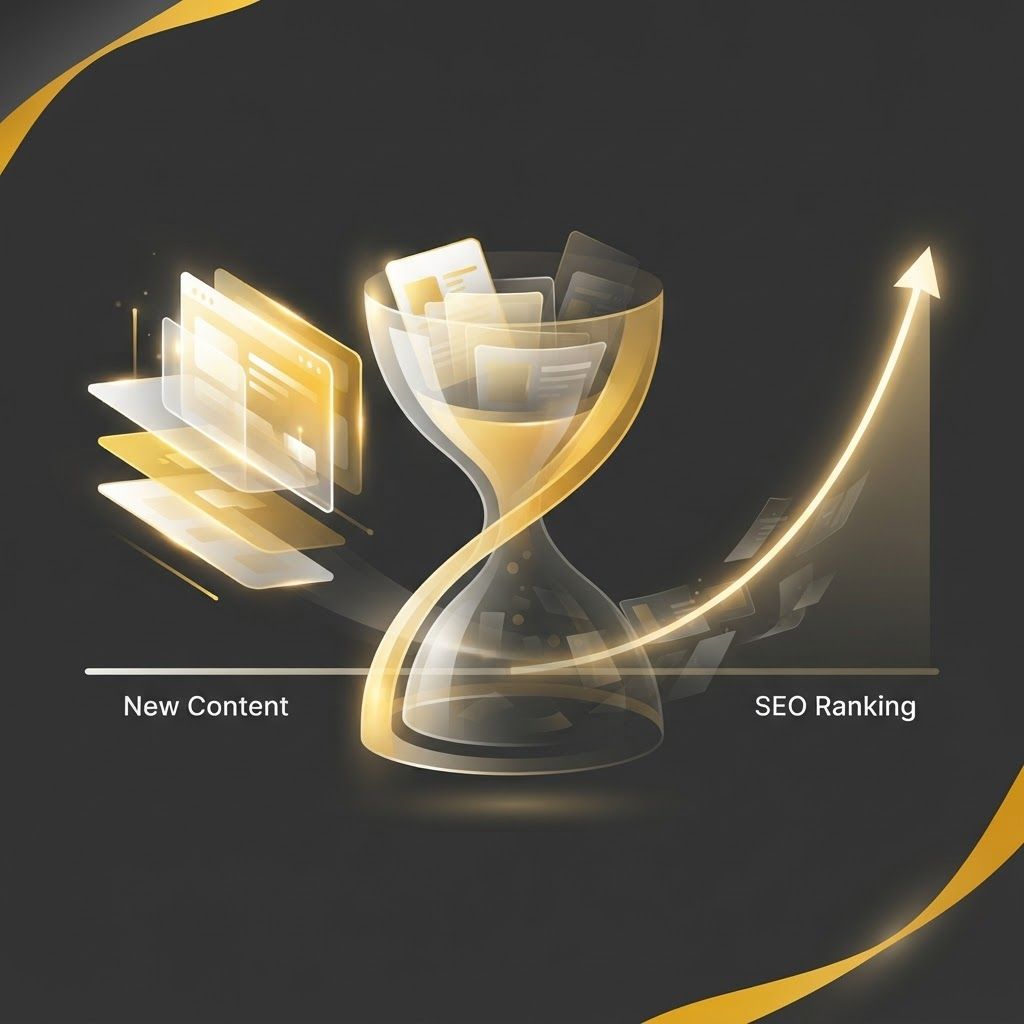
One of the most persistent questions in search engine optimization is whether the age of content helps or hurts rankings. Some marketers believe that older pages accumulate authority and therefore rank better, while others worry that aging content becomes stale and slips down the results. The truth lies somewhere in between. Content age itself is not a simple ranking factor; rather, it interacts with relevance, freshness, and authority in ways that can either strengthen or weaken a page over time.
To understand the relationship, it helps to separate two concepts: the calendar age of a page and its perceived freshness. A page published years ago can still rank well if its information remains accurate and useful, while a recently published page can underperform if it lacks depth. Age is context, not a verdict.
How AAMAX.CO Keeps Content Performing
Maintaining a library of content so that it continues to rank requires ongoing attention, and this is an area where AAMAX.CO can help. As a full-service digital marketing company, they specialize in auditing existing content, identifying pages that need refreshing, and prioritizing updates that deliver the greatest impact. Their team understands that a strong content asset is not a one-time publication but a living resource that benefits from regular care. For businesses looking to protect and grow the value of their existing pages, their SEO services provide the structure needed to keep content competitive.
The Freshness Factor
Search engines apply a concept often described as query deserves freshness. For certain topics, especially news, trends, and rapidly changing subjects, users expect current information, and algorithms prioritize recently updated pages. For these queries, older content can lose visibility unless it is regularly refreshed. A page about the latest search trends, for example, needs frequent updates to stay relevant.
However, freshness is not universally rewarded. Many queries are evergreen, meaning the best answer does not change dramatically over time. For these topics, a well-established page can maintain strong rankings for years with only occasional updates.
When Older Content Wins
Older pages often benefit from accumulated authority. Over time, they may earn backlinks, social shares, and consistent traffic, all of which reinforce their standing. Search engines also gather more behavioral data about established pages, allowing them to assess quality with greater confidence. In competitive niches, this history can give older content a meaningful advantage over newer competitors.
This is why deleting or replacing old pages carelessly can be risky. A page that has quietly earned authority for years represents an asset, and preserving its value while updating its content is usually wiser than starting from scratch.
When Content Becomes a Liability
Content ages poorly when its information becomes outdated, inaccurate, or misaligned with current user intent. Statistics that are no longer true, references to obsolete tools, or advice that no longer applies can all erode trust and rankings. Search engines aim to serve users the most helpful answer, and stale content fails that test regardless of how long it has existed.
Outdated content can also harm a site's overall reputation. When users encounter inaccurate information, they lose confidence in the brand, which can affect engagement across the entire site.
The Power of Content Refreshes
Refreshing existing content is one of the most cost-effective SEO tactics available. Updating statistics, expanding sections, improving internal links, and revising outdated advice can breathe new life into a page. Search engines often reward these updates with improved visibility, especially when the refresh genuinely enhances the content rather than making superficial changes.
A strategic refresh program, integrated into a broader digital marketing plan, ensures that a site's best-performing pages continue to compete. Rather than constantly producing new content, brands can maximize the return on material they already own.
Building Evergreen Value
The most resilient content is designed to be evergreen from the start. By focusing on fundamental concepts, timeless advice, and comprehensive coverage, brands can create pages that require minimal maintenance yet continue to attract traffic. Combining evergreen foundations with periodic updates offers the best of both worlds: durability and freshness.
Evergreen content also builds topical authority, reinforcing a site's expertise in a subject and supporting the performance of related pages across the domain.
Signals of Trust That Outlast Time
Beyond freshness and evergreen structure, older content often accumulates trust signals that newer pages simply have not had time to earn. Consistent traffic, natural backlinks, positive engagement patterns, and repeated citations all tell search engines that a page has stood the test of time. These signals are difficult to fake and nearly impossible to rush, which is why established pages frequently outperform newer competitors even on identical topics. Preserving and nurturing these trusted assets, rather than discarding them, is one of the smartest long-term decisions a site owner can make. The lesson is that age becomes an advantage only when it is paired with continued relevance and care.
Conclusion
Content age affects SEO, but not in a straightforward way. Older content can carry valuable authority, while stale content can drag rankings down. The determining factor is relevance and freshness rather than the calendar itself. Brands that regularly audit, update, and refresh their content can enjoy the benefits of established authority without suffering the penalties of neglect. Treating content as a living asset, rather than a one-time publication, is the key to long-term search success.
Want to publish a guest post on aamconsultants.org?
Place an order for a guest post or link insertion today.