
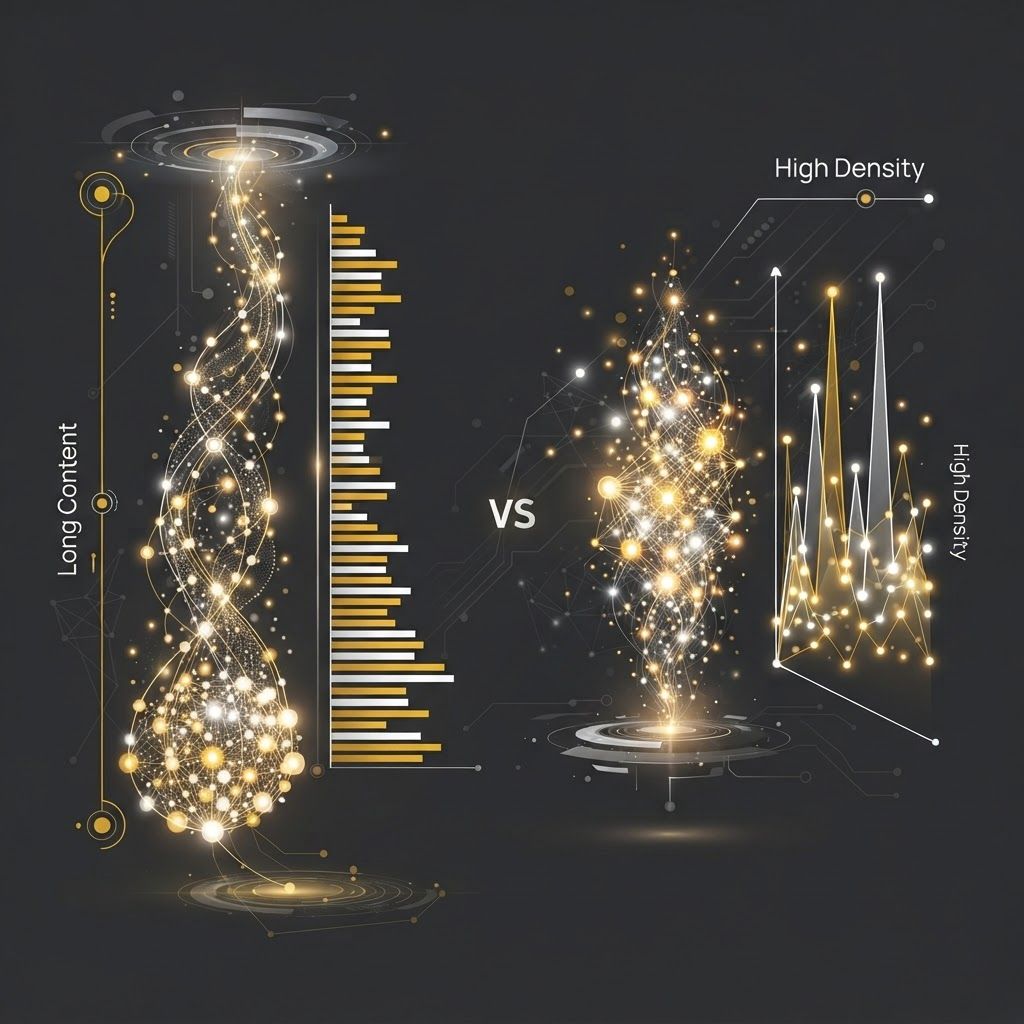
Few SEO debates are as persistent as content length versus keyword density. One camp insists that longer articles always win, while another clings to the old idea that repeating a keyword a precise number of times unlocks rankings. The truth is more nuanced and far more useful once you understand it: search engines have moved well past counting words and keyword occurrences, and now evaluate how thoroughly and clearly a page satisfies the intent behind a query. This article unpacks what each factor really contributes, why intent has become the deciding variable, and how to structure content that ranks without gaming either metric.
How AAMAX.CO Can Help With Your SEO
Balancing depth, relevance, and readability across dozens of pages is difficult to do consistently, and that is where an experienced team adds real value. AAMAX.CO is a full-service digital marketing company offering web development, digital marketing, and SEO worldwide, and their specialists build content strategies grounded in search engine optimization research rather than outdated word-count rules. They map topics to genuine user intent, structure articles for both readers and crawlers, and measure what actually drives rankings; you can learn more about their approach at AAMAX.CO.
The Myth of Keyword Density
Keyword density is the percentage of times a target term appears relative to total word count. For years, practitioners chased a magic ratio, but modern search engines rely on natural language understanding that recognizes synonyms, related concepts, and context. Stuffing a keyword to hit a target percentage now reads as unnatural and can trigger the opposite of the intended effect. What matters is that your primary term and its variations appear where they make sense: the title, an early paragraph, a heading or two, and naturally throughout the body. Density is a byproduct of writing thoroughly about a topic, not a lever you should manipulate directly.
Why Content Length Correlates With Rankings
Studies repeatedly show that longer content tends to rank higher, but correlation is not causation. Longer pages often rank well because comprehensive coverage naturally answers more related questions, earns more links, and keeps readers engaged longer. The length itself is not the reward; the thoroughness that length enables is. A 2,000-word article that pads the same point ten times will lose to a focused 900-word piece that fully resolves the searcher's question. Length should follow the topic. Some queries deserve deep guides, while others are best answered in a few tight paragraphs.
Search Intent Is the Real Deciding Factor
Above both length and density sits search intent, the actual goal behind a query. A user searching for a quick definition wants a concise answer, not a sprawling essay, while someone researching a complex decision expects depth and nuance. Before writing, examine the current top results for your target query. If they are short and direct, matching that format serves the user better than forcing extra words. If they are long and detailed, a thin page will struggle regardless of keyword placement. Aligning your format and depth with demonstrated intent is the single most reliable way to compete.
Finding the Right Balance
Practical content creation blends both ideas into one workflow. Start with thorough keyword and topic research so you understand the questions and subtopics readers expect. Write to fully cover those subtopics, letting the natural length emerge instead of targeting an arbitrary count. Use your primary keyword and its variants where they read naturally, in headings and body text, without forcing a ratio. Then edit ruthlessly, cutting repetition and filler so every paragraph earns its place. The result is content that is as long as it needs to be and as keyword-relevant as it should be, without gaming either metric.
Readability and Structure Matter Too
Even perfectly researched content underperforms if it is hard to read. Break text into short paragraphs, use descriptive headings, and front-load answers so readers find value quickly. Structured, scannable content keeps people on the page longer, and strong engagement reinforces the relevance signals search engines already detect. Formatting is not decoration; it is part of how thoroughly and clearly you satisfy intent, which is what both length and density were only ever proxies for.
Letting Data Settle the Debate
Rather than arguing about length or density in the abstract, let your own analytics settle the question for each topic. Track how pages of different depths perform for their target queries, watch engagement metrics like time on page and scroll depth, and note which formats earn links and rankings in your niche. Some topics will reward long, comprehensive treatment, while others reward brevity, and only your data reveals which is which. This evidence-based habit frees you from one-size-fits-all rules and lets you tailor depth to what your specific audience and search results actually reward.
Conclusion
So does content length matter more than keyword density? In practice, neither is the true driver. Content length matters only insofar as it reflects comprehensive coverage, and keyword density matters only insofar as it reflects natural relevance. Both are downstream of the real goal: satisfying search intent completely and clearly. Research the topic, cover it fully, write naturally, and format for readability, and you will outperform pages that obsess over word counts and keyword ratios. For a data-driven content program that puts intent first, expert digital marketing guidance can help you scale it reliably.
Want to publish a guest post on aamconsultants.org?
Place an order for a guest post or link insertion today.