
The H1 tag is one of the oldest and most debated elements in on-page SEO. For years, marketers have argued about how much weight search engines place on it, whether you can have more than one, and how closely it should match your title tag. The short answer is that the H1 does affect SEO, but not in the mechanical, keyword-stuffing way many people imagine. Its real value lies in how it structures your content, communicates the page topic, and improves the experience for both readers and search engines.
In this article we clarify what the H1 is, how search engines treat it, whether it is a direct ranking factor, and the practical best practices for using it effectively.
Let AAMAX.CO Optimize Your On-Page Structure
Getting headings, structure, and on-page signals right across an entire site takes expertise and consistency. AAMAX.CO is a full-service digital marketing company offering web development, digital marketing, and search engine optimization services worldwide, and their team knows how to structure pages so headings reinforce relevance without overdoing it. From H1 hierarchy to internal linking and content architecture, they optimize the details that add up to stronger rankings. To have professionals fine-tune your on-page SEO, connect with the specialists at AAMAX.CO.
What the H1 Tag Actually Is
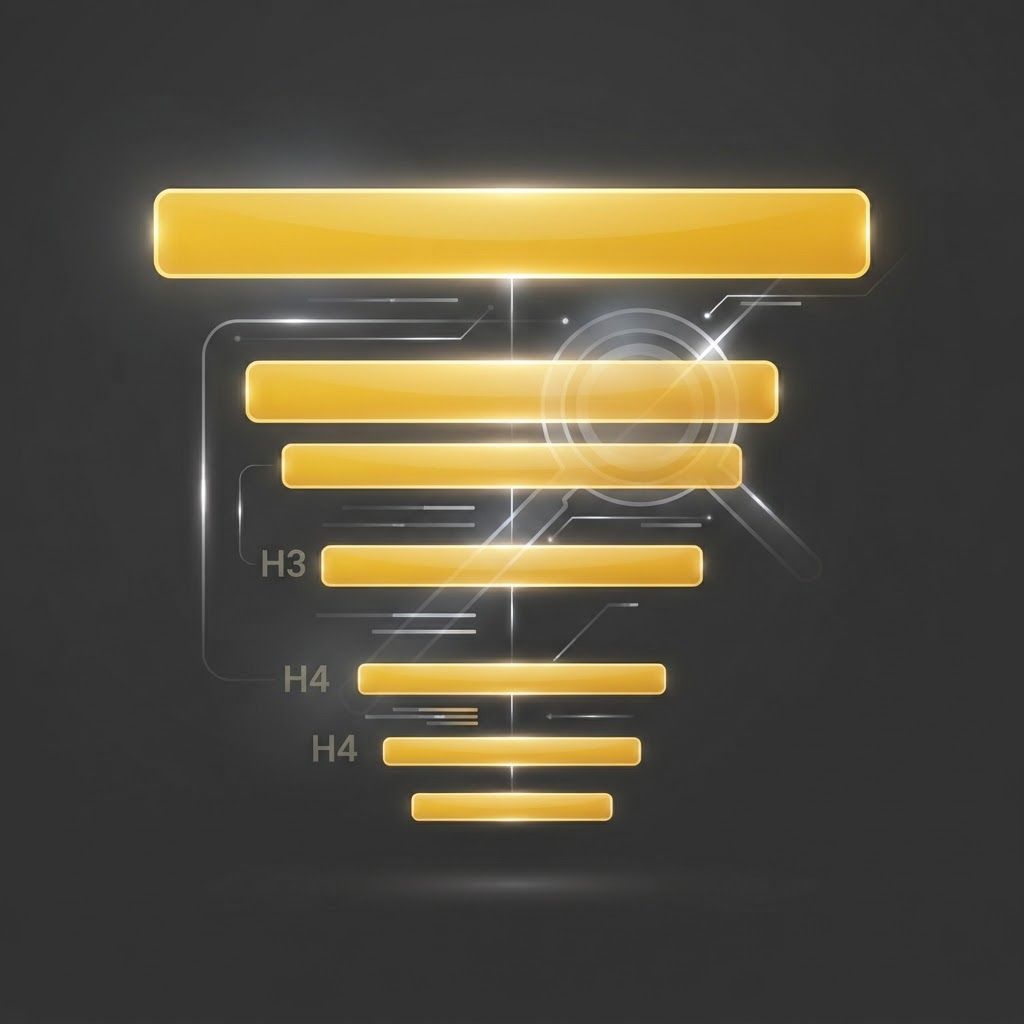
The H1 is the top-level heading on a page, typically the main visible title that tells readers what the content is about. It sits at the top of the heading hierarchy, above H2 subheadings and H3 sub-subheadings. In most content management systems, the post or page title is automatically rendered as the H1. It is distinct from the title tag, which appears in the browser tab and search results, though the two often carry similar wording.
Is the H1 a Direct Ranking Factor?
Search engines have indicated that the H1 is not a heavily weighted, standalone ranking factor in the way a title tag or content relevance is. You will not automatically rank higher simply because your keyword sits inside an H1. However, this does not mean the H1 is irrelevant. It contributes context, helps search engines understand the page's primary topic, and supports the overall relevance signals of the page. Think of it as an important supporting player rather than the star of the show.
How Search Engines Use the H1
Search engines read the H1 to help interpret what a page is about and how its content is organized. A clear, descriptive H1 that reflects the page's subject reinforces the relevance signals coming from your title tag, content, and other elements. When your H1 aligns with search intent and accurately summarizes the page, it strengthens the coherence of your on-page signals, which indirectly supports rankings and helps your page appear for the right queries.
The H1 and User Experience
Beyond search engines, the H1 matters enormously for humans. When a visitor lands on your page, the H1 is usually the first thing they read, confirming they are in the right place. A strong, clear H1 reduces bounce rates by immediately setting expectations and drawing readers into the content. Because user engagement signals influence SEO over time, a well-crafted H1 that keeps visitors on the page delivers real, if indirect, SEO value.
Should You Have Only One H1?
Historically, best practice was to use exactly one H1 per page. With modern HTML standards, it is technically possible to have multiple H1 elements in different sections, and search engines can handle this. However, for clarity and simplicity, using a single, prominent H1 remains the safest and most effective approach for most content. One clear main heading followed by a logical hierarchy of H2 and H3 subheadings gives both readers and search engines an unambiguous structure to follow.
H1 Best Practices
To get the most from your H1, keep it descriptive and aligned with the page's primary topic and target keyword, but write it for people first. Make it concise yet complete, avoid stuffing multiple keywords, and ensure it is distinct from but consistent with your title tag. Place your most important terms naturally near the beginning. A good H1 reads like a promise of what the page delivers, which serves both engagement and relevance.
Common H1 Mistakes to Avoid
Several avoidable mistakes weaken H1 effectiveness. Using an image without a text heading removes a valuable relevance signal. Making the H1 identical to a long, awkward keyword phrase hurts readability. Skipping the H1 entirely or burying it below other headings confuses the hierarchy. And using the H1 for styling rather than meaning breaks the logical structure. Keeping your headings semantic and purposeful is part of sound technical and content practice within any digital marketing strategy.
Final Thoughts
Does the H1 affect SEO? Yes, but through influence rather than brute force. It is not a magic ranking lever, yet it plays a genuine role in helping search engines understand your page, reinforcing relevance, and shaping the reader's first impression. Treat your H1 as the clear, honest headline of your content, use one strong H1 per page, and align it with intent. Do that consistently and your headings will quietly support your rankings and your readers alike.
Want to publish a guest post on aamconsultants.org?
Place an order for a guest post or link insertion today.