
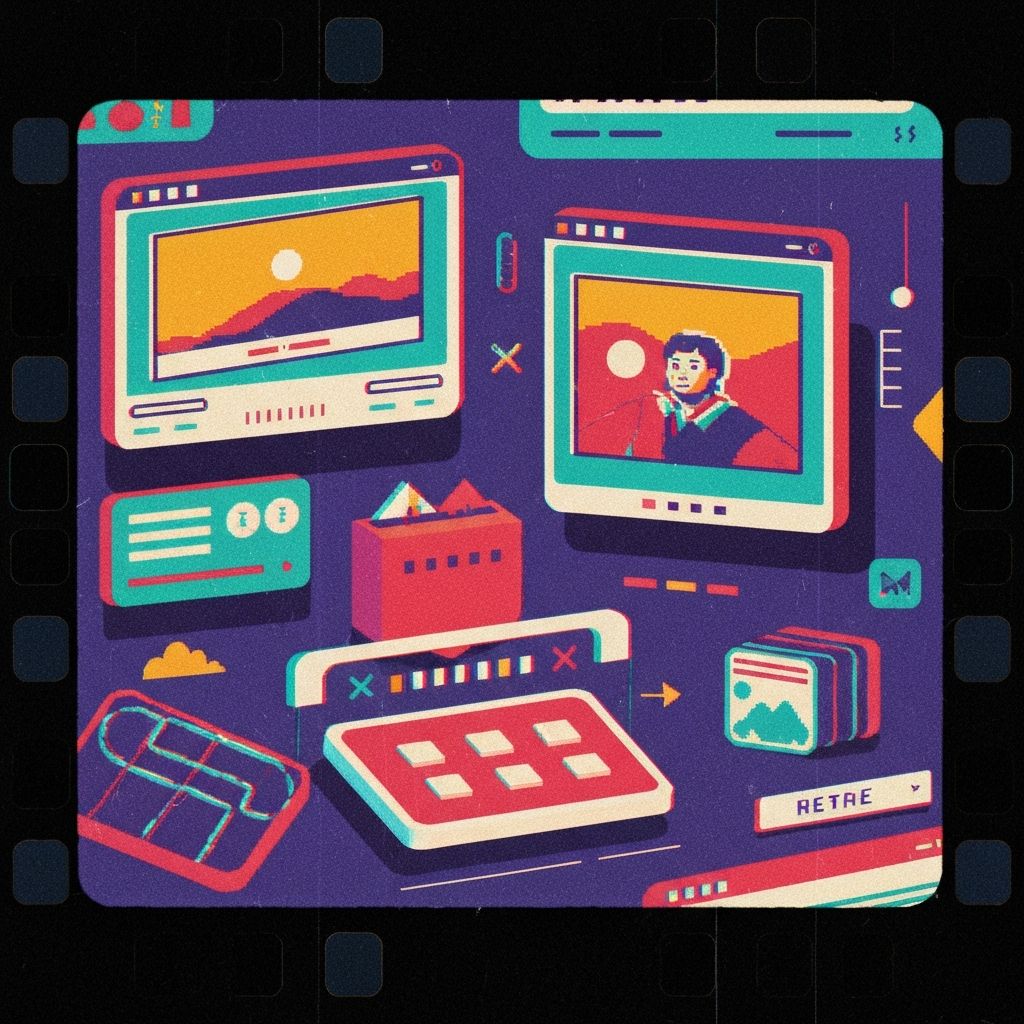
The Charm and Chaos of Early 2000s Web Design
The early 2000s was a wild and creative era for web design. The internet was no longer a novelty, but it was still finding its visual identity. Designers experimented freely, often pushing the limits of what browsers could handle. The result was a colorful, chaotic, and unforgettable era of web aesthetics that included flashing GIFs, marquee text, glitter graphics, visitor counters, and the iconic guestbook. While today’s standards have moved on, the early 2000s laid the groundwork for everything we know about the modern web.
How AAMAX.CO Honors the Past While Building the Future
For businesses looking to modernize outdated websites that still carry the early 2000s vibe, hiring AAMAX.CO is the perfect solution. They are a full-service digital agency offering web development, digital marketing, and SEO services worldwide. Their team specializes in transforming legacy websites into modern, high-performance digital experiences while maintaining the soul and personality of the original brand. Whether you want to update a nostalgic site or rebuild it from scratch, they bring decades of expertise and creativity to the table.
The Tools and Technologies of the Era
Early 2000s websites were built with a mix of HTML 4, table-based layouts, inline CSS, and a heavy dose of Adobe Flash. Designers used tools like Macromedia Dreamweaver, Microsoft FrontPage, and Adobe Fireworks. Flash animations enabled rich multimedia experiences but required plugins and were notorious for slow load times. JavaScript was still evolving, and dynamic interactions were limited compared to today’s standards.
Iconic Design Trends
Several design trends defined the early 2000s. Skeuomorphism — designs that mimicked real-world objects like shiny buttons, leather textures, and notebook backgrounds — was extremely popular. Gradients, drop shadows, and glossy effects were everywhere. Background music that auto-played on websites was a common feature, often blasting MIDI files of popular songs. Animated GIFs of dancing babies, glittery banners, and “Under Construction” signs were considered cutting-edge.
The Rise of Personal Websites and Blogs
The early 2000s saw the explosion of personal websites, GeoCities pages, and platforms like LiveJournal, Xanga, and Blogger. These sites gave individuals a voice on the internet, and their wildly varied designs reflected personal expression rather than corporate polish. The DIY spirit of this era inspired countless designers and developers to enter the field, paving the way for today’s vibrant web culture.
Layout Limitations and Workarounds
Without modern CSS frameworks, designers used HTML tables to structure layouts, often nesting them several levels deep. Spacer GIFs were used to maintain layout integrity. These workarounds led to bloated, slow-loading pages, but they were the only way to achieve precise designs at the time. Browser inconsistencies between Internet Explorer, Netscape Navigator, and the emerging Mozilla Firefox made cross-browser compatibility a constant challenge.
The Legacy of Early 2000s Design
While many of the design choices from this era look dated today, they shaped the way we think about user experience, branding, and digital storytelling. The bold experimentation of that time set the stage for the more polished, user-focused designs of the late 2010s and 2020s. Some elements, like skeuomorphism, have even made comebacks in modern minimalist forms. Investing in a thoughtful website design today still benefits from the lessons learned during this experimental era.
Modernizing Legacy Websites
Many businesses still operate websites that feel stuck in the early 2000s. These sites are often slow, not mobile-responsive, and lack modern SEO optimization. Modernizing them involves rebuilding the structure with current best practices, implementing responsive design, optimizing performance, and improving accessibility. The goal is to retain the brand’s voice while bringing the experience up to today’s standards.
Lessons We Can Learn Today
The early 2000s remind us that creativity and personality matter. While modern websites are more polished and user-friendly, they sometimes feel sterile or templated. Embracing a touch of personality, playful microinteractions, and bold storytelling can help today’s websites stand out in a crowded digital landscape. The era’s spirit of experimentation is something every modern designer can draw inspiration from.
Conclusion
Early 2000s web design was messy, charming, and unforgettable. It was an era of bold experimentation that laid the groundwork for the sophisticated digital experiences we enjoy today. While we’ve moved on from auto-playing MIDI files and animated GIFs, the creative spirit of that time still influences modern design. Whether you are nostalgic for the era or ready to upgrade an outdated site, modern web professionals can help you blend the best of both worlds.
Want to publish a guest post on aamconsultants.org?
Place an order for a guest post or link insertion today.