
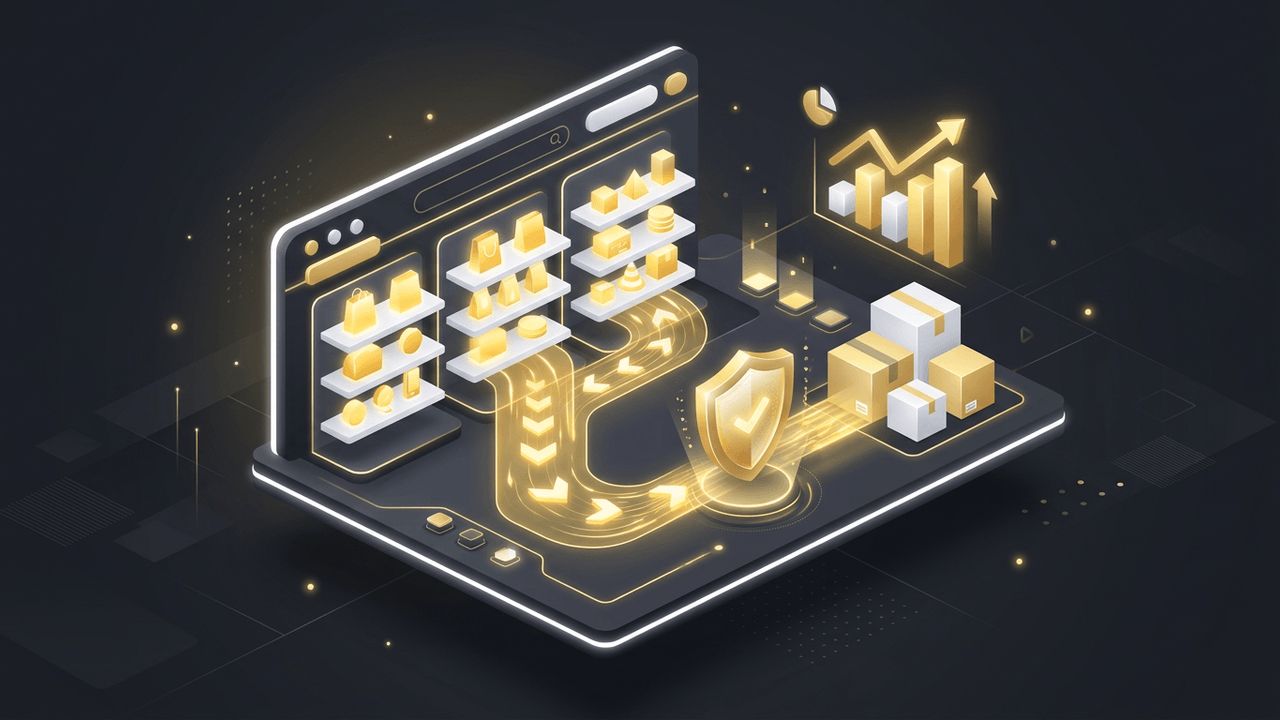
Launching an online store is one of the most effective ways to grow a business, reach new customers, and generate revenue around the clock. However, a successful ecommerce operation requires much more than uploading products to a template. It demands strategic planning, thoughtful design, reliable engineering, seamless integrations, and continuous optimization. Ecommerce web design and development services bring all of these elements together, helping businesses build stores that are attractive, functional, and profitable. This guide walks through the complete ecommerce project lifecycle, from planning to post-launch growth, so you know exactly what to expect from a professional partner.
How AAMAX.CO Approaches Ecommerce Projects
AAMAX.CO is a full-service digital marketing company offering web development, digital marketing, and SEO services worldwide. They take a holistic approach to ecommerce, aligning store design and engineering with marketing and growth objectives. Their team plans the customer journey, designs intuitive interfaces, and delivers reliable website development for online stores of every size. Because they also manage SEO, paid campaigns, and digital marketing, they help clients drive traffic to their new stores and continually improve performance after launch.
Stage One: Strategy and Planning
Every successful ecommerce project begins with a clear strategy. This stage involves defining your target customers, understanding their buying behavior, analyzing competitors, and setting measurable goals such as revenue targets, conversion rates, or average order value. It also includes deciding on your product catalog structure, pricing strategy, shipping policies, and payment options. Strategic planning ensures that design and development decisions support your business objectives.
Stage Two: Choosing the Right Platform
Platform selection has long-term implications for flexibility, scalability, and costs. Popular options include:
- Shopify: A hosted solution with excellent reliability and ease of use.
- WooCommerce: A flexible option for businesses that want content and commerce on WordPress.
- BigCommerce: Feature-rich with strong support for B2B and headless setups.
- Magento (Adobe Commerce): Powerful for large catalogs and complex requirements.
- Headless commerce: Modern frontends connected to commerce engines via APIs for maximum performance and customization.
An experienced partner will recommend a platform based on your catalog size, budget, technical resources, and growth plans.
Stage Three: User Experience and Visual Design
Design shapes how customers feel about your brand and how easily they can shop. Professional designers create wireframes and prototypes that map out the customer journey, from landing on the homepage to completing checkout. They focus on clear navigation, compelling product presentation, mobile usability, and accessibility. Visual design brings your brand to life through color, typography, imagery, and consistent interface elements.
Stage Four: Development and Integrations
Developers transform designs into a fully functional store. This includes building custom themes, configuring product types and variants, setting up payment gateways, implementing shipping and tax rules, and integrating third-party systems. Common integrations include:
- Inventory and warehouse management systems
- ERP and accounting software
- CRM and email marketing platforms
- Shipping carriers and fulfillment services
- Reviews, loyalty, and referral programs
- Analytics and tag management tools
Stage Five: Testing and Quality Assurance
Before launch, the store must be rigorously tested. Quality assurance covers functional testing of carts and checkouts, payment processing, cross-browser and cross-device compatibility, page speed, accessibility, and security. Testing ensures customers enjoy a flawless experience from day one and reduces the risk of lost sales due to technical issues.
Stage Six: Launch and Data Migration
If you are moving from an existing store, data migration is critical. Products, customers, orders, and content must be transferred accurately. SEO preservation is equally important, requiring careful URL mapping and redirects to protect existing search rankings. A smooth launch also includes configuring analytics, monitoring, and backup systems.
Stage Seven: Growth and Optimization
Launch is just the beginning. Ongoing optimization helps your store grow over time. This includes:
- Conversion rate optimization: Testing layouts, product pages, and checkout improvements.
- SEO: Expanding category content, improving technical health, and building authority.
- Email marketing: Abandoned cart flows, post-purchase sequences, and promotions.
- Paid advertising: Shopping campaigns and social ads driving targeted traffic.
- Feature enhancements: Adding new functionality as the business evolves.
B2C Versus B2B Ecommerce
B2C stores prioritize emotional engagement, fast checkout, and promotions. B2B stores often require customer-specific pricing, bulk ordering, quote requests, account hierarchies, and integration with procurement systems. A capable ecommerce development partner understands both models and can tailor the solution accordingly.
Budgeting for Ecommerce Design and Development
Ecommerce project costs depend on platform choice, design complexity, number of products, custom features, and integrations. Beyond initial development, budget for hosting or platform fees, apps and extensions, maintenance, and ongoing marketing. Viewing your store as a growth investment rather than a one-time expense leads to better long-term outcomes.
Choosing the Right Partner
Look for a partner with a strong ecommerce portfolio, platform expertise, conversion optimization knowledge, and integrated marketing capabilities. Ask for case studies showing revenue growth, and make sure they offer reliable post-launch support.
Conclusion
Ecommerce web design and development services guide businesses through every stage of building and growing an online store. By following a structured process and partnering with experts who understand design, technology, and marketing, you can launch a store that delights customers, operates efficiently, and delivers sustainable growth.
Want to publish a guest post on aamconsultants.org?
Place an order for a guest post or link insertion today.