
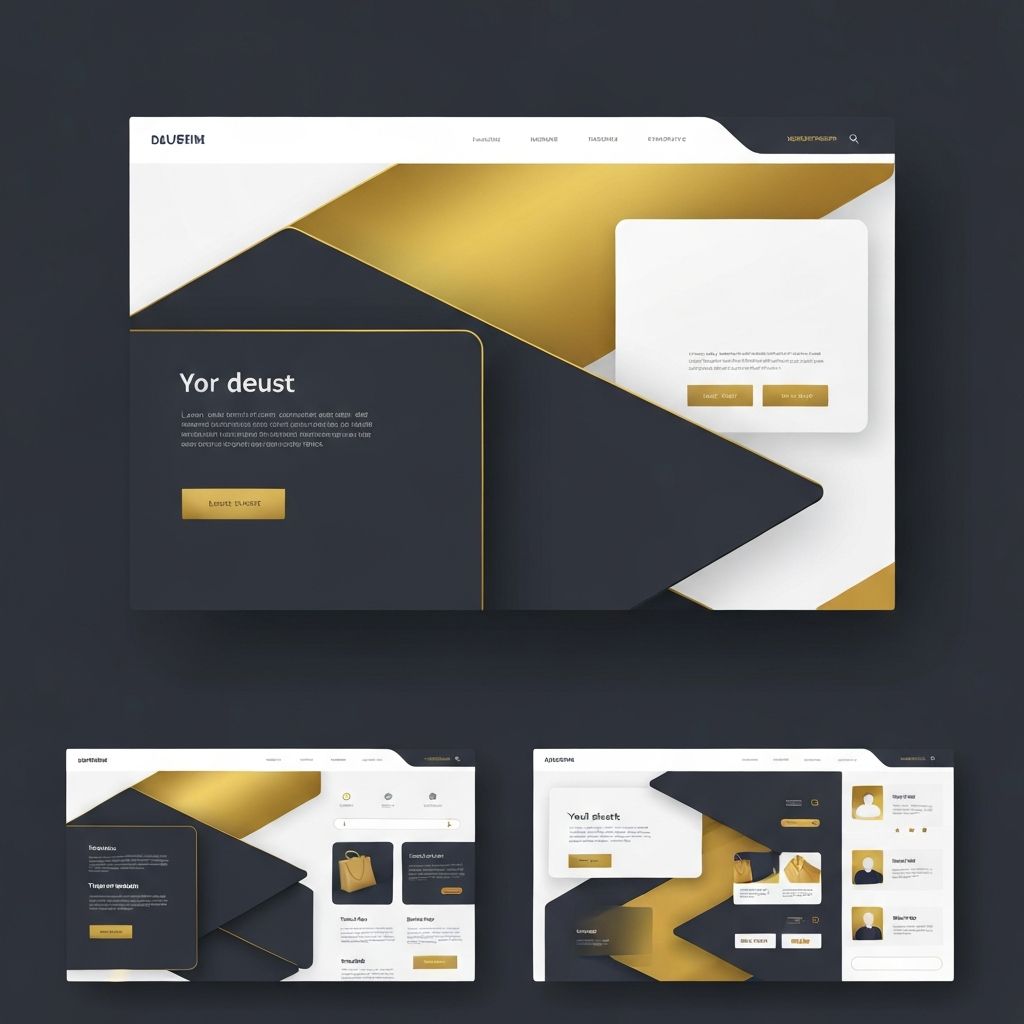
Why You Need a Proposal Template
Writing a custom ecommerce proposal from scratch every time is time-consuming and error-prone. A well-built proposal template lets agencies move faster, maintain consistency, and present a polished image to potential clients. For clients, a clear template makes it easy to compare offers side by side and ensure no critical details are missing.
The best templates strike a balance between structure and flexibility, providing a strong foundation while leaving room to tailor each proposal to the specific client.
Hire AAMAX.CO for Professional Proposal-Driven Projects
If you want a partner that approaches every project with a structured, proposal-driven mindset, you can hire AAMAX.CO. They are a full-service digital marketing company offering web development, digital marketing, and SEO services worldwide. Their team blends website design with web application development capabilities, ensuring proposals are detailed, realistic, and aligned with business goals.
Section 1: Cover Page and Executive Summary
Start with a clean cover page that includes the client name, project title, agency name, and date. Follow with an executive summary that highlights the client's goals, the proposed solution, and the expected impact. Keep this short and persuasive.
Section 2: About the Agency
Briefly introduce the agency, its values, expertise, and unique selling points. Mention years in business, team size, and key industries served. This builds early credibility before diving into details.
Section 3: Project Understanding
Demonstrate that you understand the client's challenges by summarizing what you have learned from the discovery call or brief. Mention their target audience, business objectives, and any pain points with their current store. Clients want to feel heard, and this section signals that.
Section 4: Proposed Solution
Outline the recommended approach, including the chosen platform, design strategy, key features, and integrations. Explain why each choice is suited to the client's goals. Avoid jargon and focus on benefits.
Section 5: Scope of Work and Deliverables
List every deliverable in detail. Common items include discovery and strategy, wireframes, mockups, responsive development, product setup, payment and shipping configuration, SEO setup, content migration, training, and launch support. The clearer this section is, the fewer disputes you will have later.
Section 6: Timeline and Milestones
Provide a realistic timeline broken into phases. Include milestones such as kickoff, design approval, development complete, user acceptance testing, and launch. Visual timelines or Gantt-style charts can make this easier to digest.
Section 7: Investment and Payment Terms
Itemize pricing so the client can see what each component costs. Include payment terms, such as a deposit at kickoff and milestone-based payments. Specify what is included and what is considered out of scope, plus rates for additional work.
Section 8: Team and Process
Introduce the team members assigned to the project, their roles, and their experience. Describe the project management approach, communication tools, and meeting frequency. This reassures the client that the project is in capable, organized hands.
Section 9: Case Studies and Testimonials
Include two or three relevant case studies showing similar work, ideally with measurable outcomes such as conversion lifts or revenue growth. Add a few testimonials to reinforce trust.
Section 10: Terms and Next Steps
Close with terms and conditions, including ownership of deliverables, confidentiality, and post-launch warranty. End with clear next steps, such as signing the proposal, scheduling a kickoff call, and processing the deposit.
Final Thoughts
A great ecommerce web design proposal template saves time, raises win rates, and creates better client experiences. Treat it as a living document, refining it with every project so it keeps getting sharper, more persuasive, and easier to use.
Want to publish a guest post on aamconsultants.org?
Place an order for a guest post or link insertion today.