
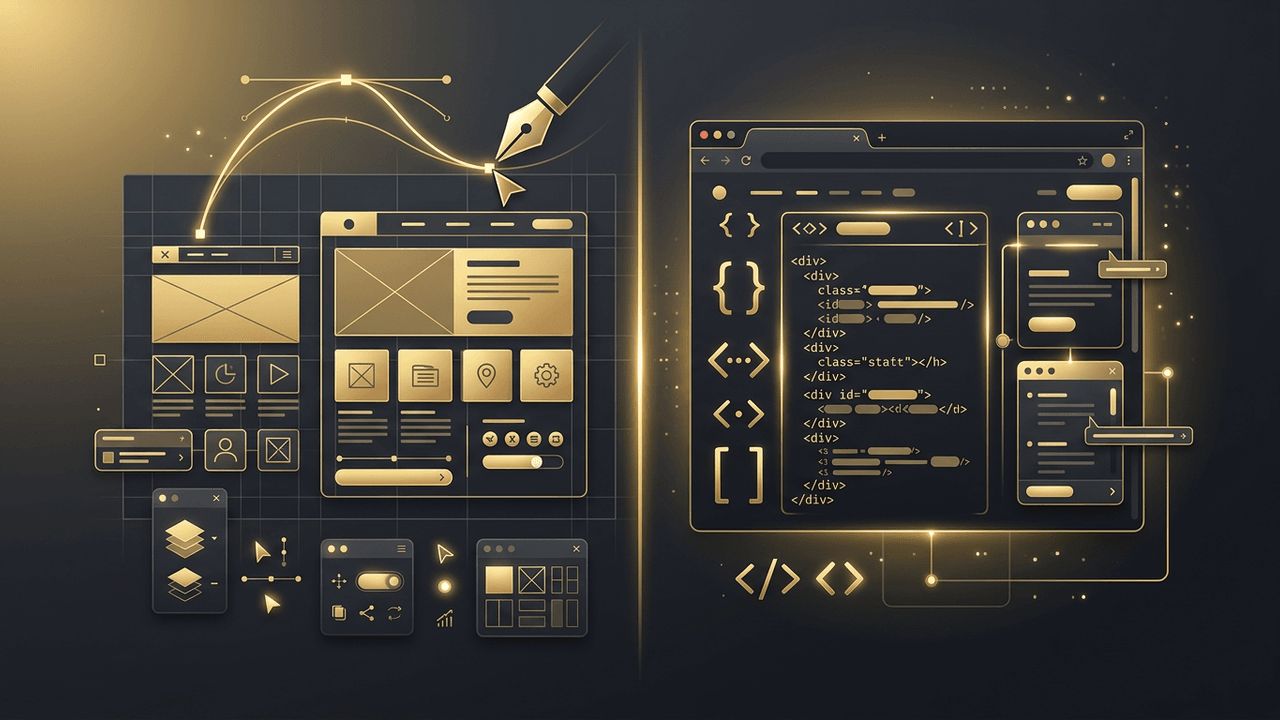
Front-end development and web design are closely related disciplines that together shape how websites look, feel, and function. Because both focus on the user-facing side of the web, the terms are often used interchangeably. However, they represent different skill sets, responsibilities, and tools. Web designers focus on visual aesthetics, layout, and user experience, while front-end developers translate those designs into functional, interactive code that runs in the browser. Understanding front-end development vs web design helps aspiring professionals choose the right career path and helps businesses build effective teams for their digital projects.
AAMAX.CO: Uniting Design and Front-End Development
Businesses benefit most when design and development work together seamlessly. AAMAX.CO is a full-service digital marketing company offering web development, digital marketing, and SEO services worldwide. Their designers and developers collaborate closely, ensuring that visual concepts are translated into fast, accessible, and fully functional websites without losing their intended look and feel. This integrated approach saves time and delivers more consistent results. Businesses looking for visually striking, user-friendly websites can explore their website design services.
What Is Web Design?
Web design is the process of planning and creating the visual appearance and user experience of a website. Web designers determine layout, color schemes, typography, imagery, and overall visual style. They also consider how users navigate the site, how information is organized, and how interactions should feel.
Web design often encompasses user experience design and user interface design. UX design focuses on research, user flows, information architecture, and usability, while UI design focuses on visual elements such as buttons, icons, and spacing.
What Is Front-End Development?
Front-end development is the process of building the user-facing part of a website using code. Front-end developers take design mockups and implement them using HTML for structure, CSS for styling, and JavaScript for interactivity. They ensure that websites are responsive, accessible, performant, and compatible across browsers and devices.
Modern front-end developers often use frameworks and libraries such as React, Vue, Angular, or Svelte, along with tools like TypeScript, build systems, and component libraries to create scalable, maintainable applications.
Key Responsibilities of Web Designers
Web designers conduct user research, create wireframes and prototypes, design visual mockups, establish brand-consistent style guides, and design user interface components. They collaborate with stakeholders to understand business goals and with developers to ensure designs are feasible.
Their success is measured by how attractive, intuitive, and effective the design is at engaging users and achieving business objectives.
Key Responsibilities of Front-End Developers
Front-end developers write clean, semantic code, build reusable components, implement responsive layouts, add interactive features, integrate with back-end APIs, optimize performance, and ensure accessibility compliance. They test across browsers and devices and fix bugs.
Their success is measured by how accurately and efficiently the design is implemented, how well the site performs, and how reliably it functions for all users.
Skills Comparison
Web designers need strong visual design skills, including understanding of color theory, typography, layout, and composition. They should be proficient in design tools like Figma, Adobe XD, or Sketch, and understand UX principles, user research methods, and prototyping. Basic knowledge of HTML and CSS helps designers create practical designs.
Front-end developers need mastery of HTML, CSS, and JavaScript, along with experience in frameworks, version control, responsive design techniques, accessibility standards, and performance optimization. An eye for design helps developers implement interfaces faithfully and make thoughtful decisions when designs leave gaps.
Tools Each Role Uses
Web designers commonly use Figma, Adobe Creative Cloud, Sketch, prototyping tools, and user testing platforms. Front-end developers use code editors like VS Code, browser developer tools, Git, package managers, frameworks, testing libraries, and build tools.
Figma has become a shared space where designers and developers collaborate, with features that allow developers to inspect designs, extract measurements, and access design tokens.
Salary and Career Outlook
Both roles offer solid career prospects. Front-end developers often earn slightly higher average salaries due to the technical complexity of modern front-end frameworks and the demand for engineering skills. Web designers, especially those specializing in UX and product design, can also command strong salaries, particularly in technology companies.
Career paths for web designers include senior designer, UX designer, product designer, and design director roles. Front-end developers can advance to senior developer, full-stack developer, front-end architect, or engineering manager positions.
How Designers and Developers Collaborate
Successful websites depend on strong collaboration between designers and developers. Designers should involve developers early to assess technical feasibility, while developers should provide feedback on interactions and performance implications. Shared design systems with reusable components and consistent tokens streamline handoff and ensure visual consistency.
Regular communication, design reviews, and shared tools reduce misunderstandings and help teams deliver polished, functional products.
Which Role Is Right for You?
If you are passionate about visual creativity, user psychology, and crafting beautiful experiences, web design may be the right path. If you enjoy problem-solving, writing code, and bringing designs to life with interactive functionality, front-end development may be more rewarding. Some professionals develop hybrid skills, becoming design engineers who bridge both disciplines.
Conclusion
Front-end development and web design are distinct but complementary disciplines. Web designers define how a website looks and how users experience it, while front-end developers build that experience into functional, high-performing code. Understanding the differences and overlaps between the two helps individuals choose fulfilling careers and helps businesses assemble teams capable of delivering exceptional websites.
Want to publish a guest post on aamconsultants.org?
Place an order for a guest post or link insertion today.