
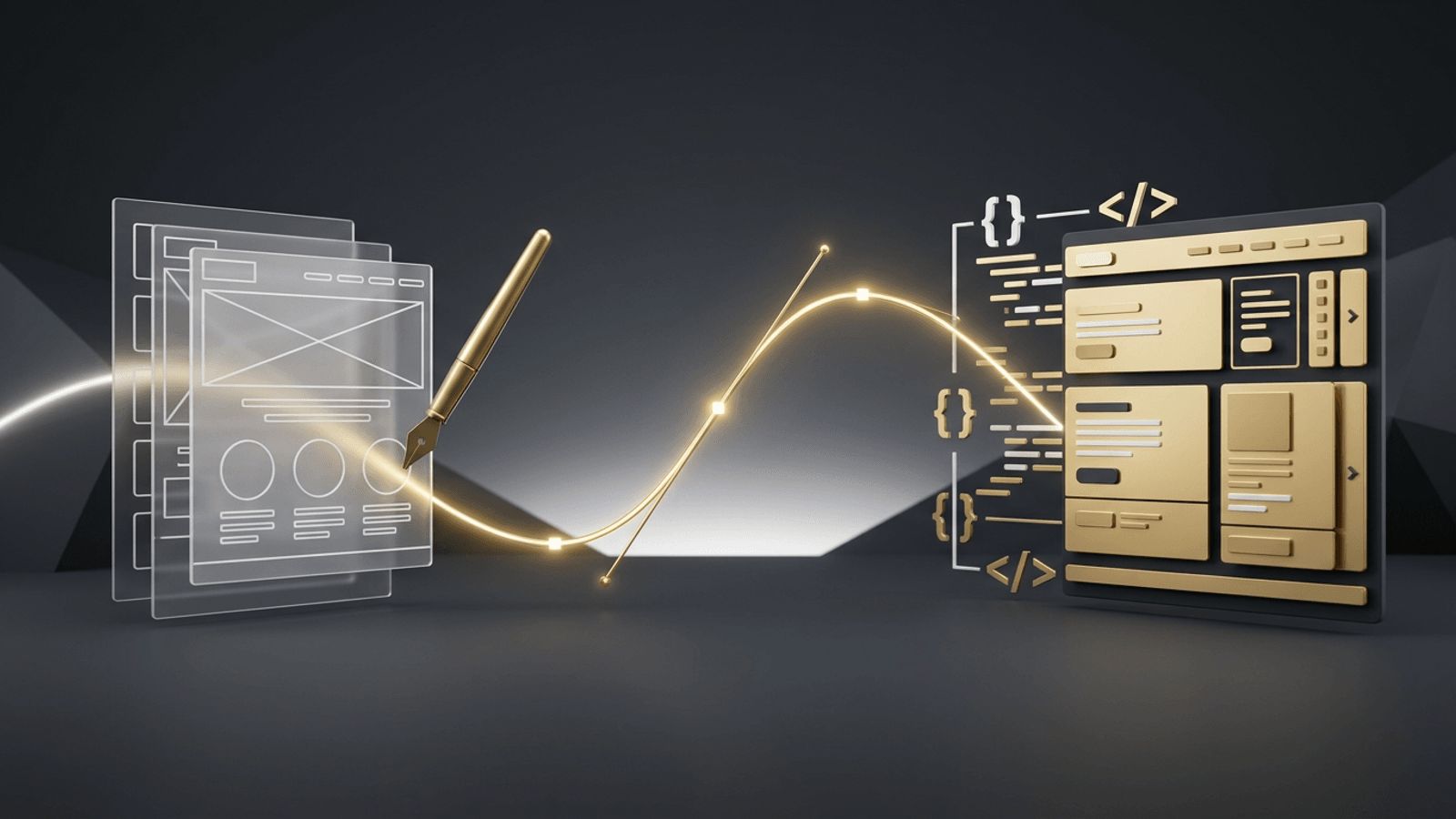
Great websites are born where design meets code. A web designer imagines how a website should look and feel, while a front end web developer turns that vision into a working, interactive experience. Increasingly, companies seek professionals who can do both, blending creative thinking with technical execution. In this article, we explore the relationship between a front end web developer and designer, compare their responsibilities and tools, and explain why hybrid skills are becoming one of the most valuable assets in the digital industry.
AAMAX.CO: Where Creative Design Meets Expert Development
For businesses, finding a team that unites design and development seamlessly can make or break a project. AAMAX.CO is a full service digital marketing company offering web development, digital marketing, and SEO services worldwide. Their designers and front end developers collaborate from the first wireframe to the final launch, ensuring that every visual detail is faithfully implemented in fast, accessible code. They focus on brand consistency, intuitive navigation, and conversion-focused layouts, so clients get websites that are both beautiful and effective. Organizations looking for a cohesive design-to-development experience often turn to them for that reason.
What Does a Web Designer Do?
A web designer focuses on the visual and experiential aspects of a website. They research the target audience, define information architecture, create wireframes, and design high-fidelity mockups. Their decisions cover color palettes, typography, spacing, imagery, iconography, and interaction patterns. Designers commonly use tools such as Figma, Sketch, and Adobe Creative Cloud.
Web designers can specialize further into UI design, which concerns the look of interface elements, and UX design, which focuses on how users move through a product and accomplish their goals.
What Does a Front End Web Developer Do?
A front end web developer takes the designer's mockups and builds them using HTML, CSS, and JavaScript. They make layouts responsive, implement animations, connect interfaces to APIs, and ensure the site works across browsers and devices. They also handle performance optimization, accessibility, and code maintainability.
While designers ask, "How should this look and feel?", developers ask, "How do we make this work reliably for every user?"
Where the Two Roles Overlap
The boundary between design and front end development has blurred considerably. Both roles share responsibility for usability, accessibility, and visual consistency. Designers who understand code create more realistic mockups that are easier to build. Developers who understand design principles make better decisions when a mockup does not specify every state or screen size.
Design systems are a perfect example of overlap. A design system includes reusable components, tokens for colors and spacing, and usage guidelines. Designers define the system visually, and developers implement it as a component library, keeping both sides perfectly aligned.
Key Differences in Skills and Tools
- Primary output: Designers produce mockups, prototypes, and style guides; developers produce functional code.
- Core tools: Designers use Figma, Sketch, and Illustrator; developers use code editors, Git, browser dev tools, and frameworks.
- Problem focus: Designers solve communication and experience problems; developers solve technical implementation problems.
- Testing: Designers run usability tests and gather feedback; developers write automated tests and debug code.
The Rise of the Hybrid Designer-Developer
Many startups and agencies now hire "UI engineers" or "design technologists" who can move fluidly between design tools and code. These professionals reduce handoff friction, prototype ideas quickly, and maintain high visual quality throughout development. For freelancers, combining both skill sets means they can deliver complete projects to clients without outsourcing.
Becoming a hybrid professional requires learning design fundamentals, such as visual hierarchy, grid systems, and color theory, alongside front end technologies. It is a challenging but highly rewarding combination.
How Designers and Developers Collaborate Effectively
Successful collaboration depends on early and frequent communication. Developers should be involved during the design phase to flag technical constraints, while designers should review builds to catch inconsistencies. Clear handoff documentation, annotated mockups, and shared component libraries reduce misunderstandings. Regular design reviews keep everyone aligned on the final experience.
Why This Matters for Businesses
When design and development are disconnected, websites suffer from inconsistent styling, broken layouts on mobile devices, and slow performance. When they work in harmony, the result is a site that strengthens the brand and converts visitors into customers. Investing in professional website design that is carefully implemented by skilled developers delivers far better returns than piecing together templates and plugins.
For businesses that need more than a brochure site, such as portals, dashboards, or interactive tools, expert web application development ensures that thoughtful design scales into complex functionality.
Career Advice for Aspiring Professionals
If you are just starting out, decide which side excites you most and build depth there first. Designers should learn basic HTML and CSS to understand constraints. Developers should study design principles and practice recreating polished interfaces. Build a portfolio that shows your process, from sketches to finished products, so employers and clients can see how you think as well as what you produce.
Conclusion
The front end web developer and designer are two sides of the same coin. Designers craft the vision, and developers bring it to life. Professionals who understand both disciplines are especially valuable, and businesses benefit enormously when these roles work together seamlessly. Whether you are building your career or your company's next website, embracing the partnership between design and development leads to better digital experiences for everyone.
Want to publish a guest post on aamconsultants.org?
Place an order for a guest post or link insertion today.