
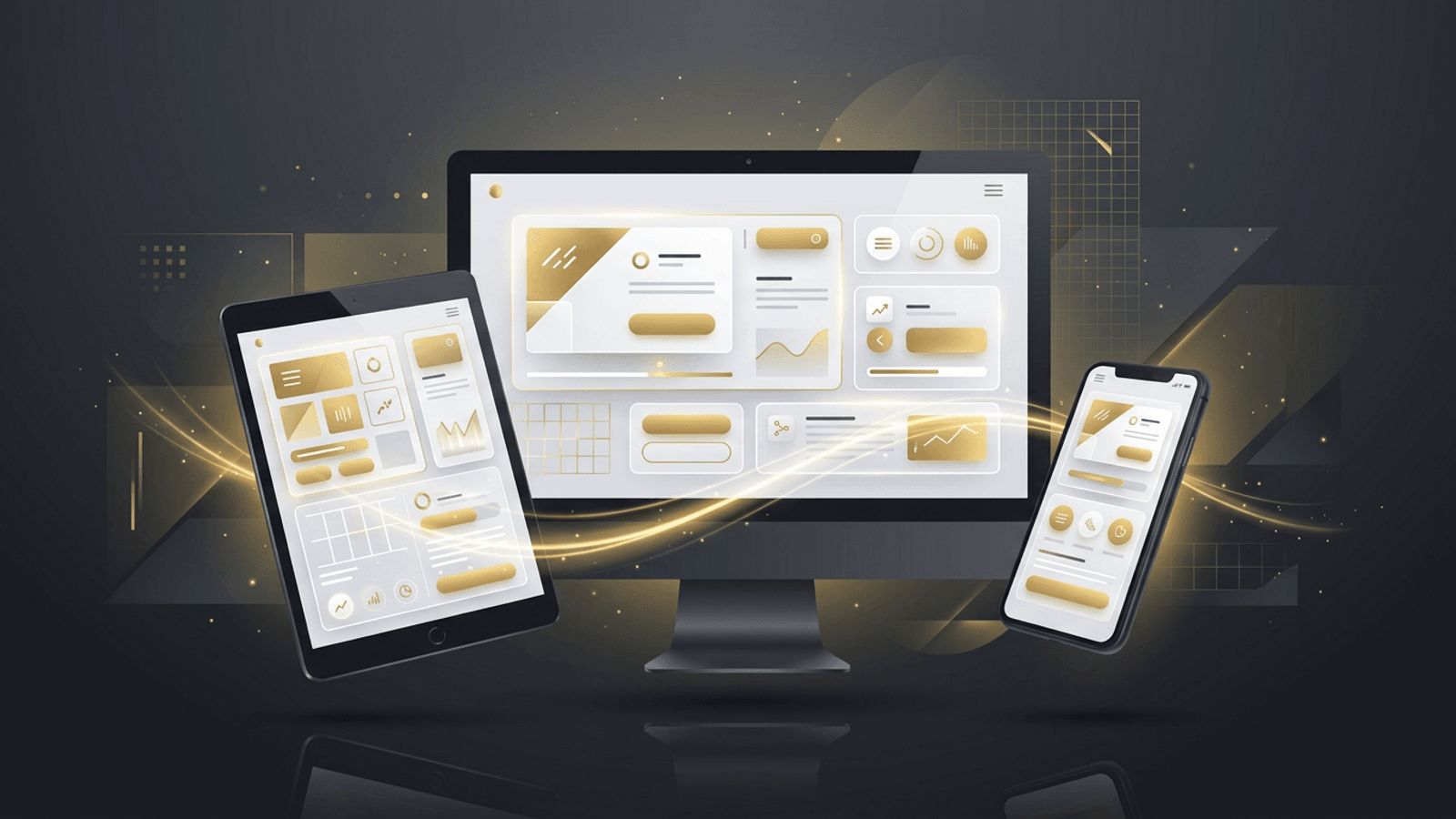
When visitors land on your website, they do not see servers, databases, or APIs. They see buttons, menus, images, animations, and text. They experience how quickly the page loads and how smoothly it responds to their clicks and taps. All of this is the domain of front-end development. Front-end web development services transform designs into living, interactive interfaces that work beautifully across devices and browsers. Because the front end is where users form their impressions, it has a direct impact on engagement, conversion rates, and brand perception. In this article, we explore what front-end development involves, why it matters, and how to choose the right provider.
How AAMAX.CO Delivers Exceptional Front-End Experiences
Businesses that want polished, high-performance user interfaces can rely on AAMAX.CO. They are a full-service digital marketing company offering web development, digital marketing, and SEO services worldwide. Their front-end developers work closely with designers to translate visual concepts into responsive, accessible, and lightning-fast interfaces. They use modern frameworks and best practices to ensure every interaction feels smooth and intuitive. Because they also understand SEO and conversion optimization, businesses that hire AAMAX.CO receive front ends that look great, perform well, and support measurable growth.
What Is Front-End Web Development?
Front-end development, also called client-side development, focuses on the parts of a website or web application that users interact with directly. Front-end developers use HTML to structure content, CSS to style it, and JavaScript to add interactivity. They often work with frameworks and libraries such as React, Angular, Vue, and Svelte to build complex interfaces efficiently. Their job is to make sure the interface matches the design, responds to user actions, loads quickly, and works consistently across browsers and devices.
Core Front-End Development Services
- Responsive web development: Building layouts that adapt to desktops, tablets, and smartphones.
- Design-to-code conversion: Turning design files into pixel-perfect, functional interfaces.
- Single-page applications: Creating dynamic apps that update content without page reloads.
- UI component libraries: Developing reusable components for consistency and speed.
- Performance optimization: Reducing load times and improving Core Web Vitals.
- Accessibility implementation: Ensuring interfaces are usable by people of all abilities.
- Animation and interactivity: Adding motion and micro-interactions that enhance usability.
- API integration: Connecting the interface to back-end services and third-party data.
Why Front-End Development Matters for Business
The front end is where business goals meet user behavior. A clunky interface frustrates visitors and drives them to competitors, while a smooth, intuitive one encourages them to explore, engage, and convert. Fast-loading pages reduce bounce rates and improve search rankings. Accessible design expands your audience and reduces legal risk. Consistent, polished interfaces strengthen brand trust. In short, investing in front-end quality directly supports revenue and customer satisfaction.
The Connection Between Design and Front-End Development
Front-end development begins with design. Designers create wireframes, mockups, and prototypes that define layout, typography, color, and interactions. Front-end developers then bring those designs to life with code. Close collaboration ensures that designs are technically feasible and that the final product stays true to the creative vision. Pairing skilled developers with professional website design creates experiences that are both visually striking and highly functional.
Modern Front-End Technologies
Frameworks and Libraries
React, Angular, and Vue dominate the front-end landscape, each offering component-based architectures that make complex interfaces manageable. Meta-frameworks like Next.js and Nuxt add server-side rendering and static generation for better performance and SEO.
Styling Approaches
Modern styling tools such as Tailwind CSS, CSS modules, and design tokens help teams maintain consistency and speed up development.
Build Tools and Testing
Bundlers, linters, and automated testing frameworks help developers ship reliable code quickly. Visual regression testing ensures design consistency across updates.
Performance Optimization Techniques
Professional front-end developers use a range of techniques to keep websites fast. These include image compression and modern formats, lazy loading of off-screen content, code splitting to reduce initial download size, efficient font loading, caching strategies, and minimizing render-blocking resources. They monitor metrics such as Largest Contentful Paint, Interaction to Next Paint, and Cumulative Layout Shift to ensure the site meets modern performance standards.
Accessibility as a Standard
Accessibility should never be an afterthought. Front-end developers use semantic HTML, proper heading structure, keyboard navigation support, sufficient color contrast, descriptive alternative text, and ARIA attributes where appropriate. Accessible interfaces benefit everyone, including users on mobile devices, people with temporary impairments, and search engines that rely on structured content.
Front-End Development for Web Applications
Complex web applications such as dashboards, portals, and SaaS platforms rely heavily on sophisticated front ends. These interfaces must handle real-time data, complex forms, user permissions, and state management. Experienced developers working on web application development architect front ends that remain fast and maintainable even as features grow.
How to Choose a Front-End Development Provider
- Review their portfolio: Look for polished, responsive interfaces across industries.
- Test their work: Visit sites they have built and check speed and mobile usability.
- Ask about frameworks: Ensure they use modern, well-supported technologies.
- Check accessibility knowledge: Ask how they meet accessibility guidelines.
- Understand their collaboration process: Confirm how they work with designers and back-end teams.
- Confirm ongoing support: Front ends need updates as browsers and frameworks evolve.
Conclusion
Front-end web development services are essential for creating websites and applications that users enjoy and trust. From responsive layouts and smooth interactions to accessibility and performance, the front end shapes every user experience. By partnering with skilled developers who understand both design and business goals, you can build an interface that captivates visitors, drives conversions, and sets your brand apart.
Want to publish a guest post on aamconsultants.org?
Place an order for a guest post or link insertion today.