
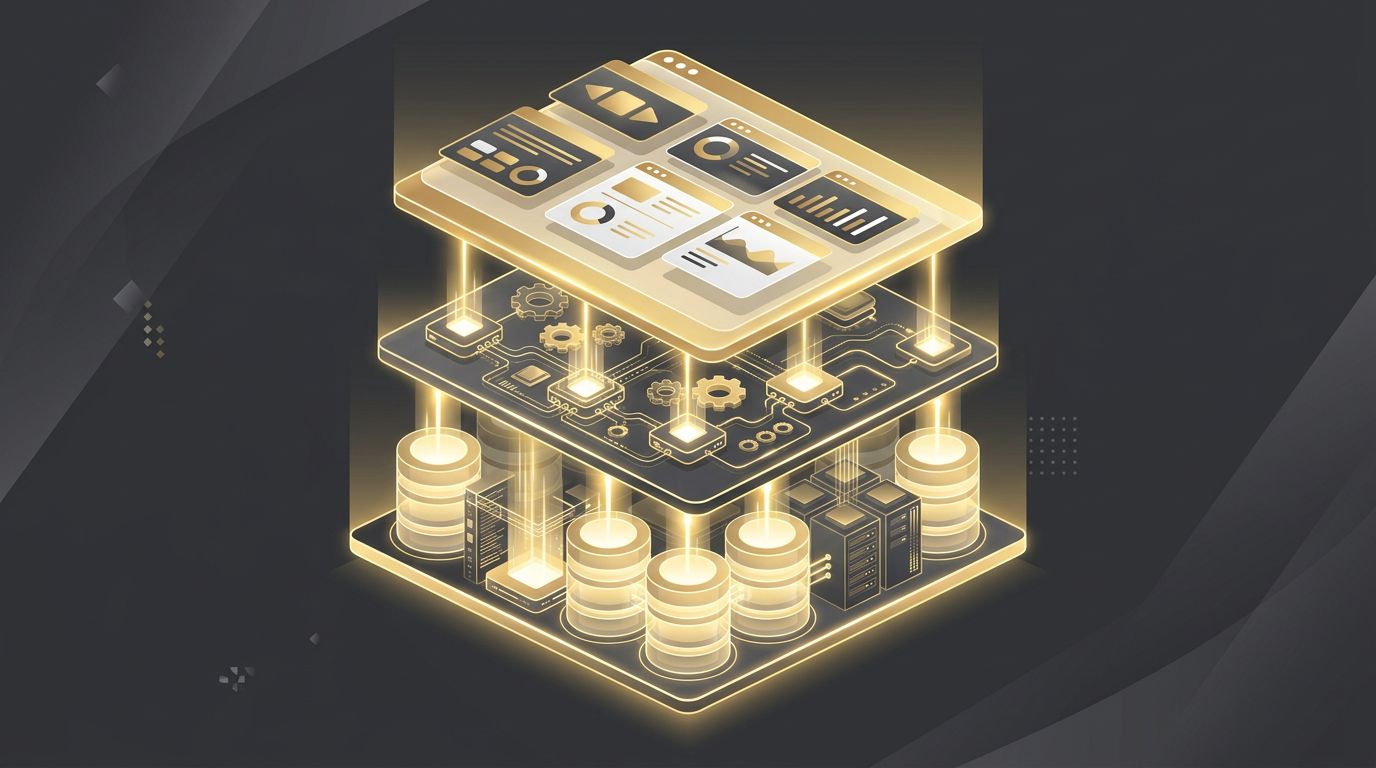
Modern businesses need digital products that do more than look good. They must handle user accounts, process data, integrate with other systems, scale with demand, and deliver smooth experiences across devices. Full stack custom web development addresses all of these needs by covering every layer of a web application, from the user interface people interact with to the servers, databases, and infrastructure working behind the scenes. Rather than stitching together disconnected tools, full stack development creates cohesive solutions designed around a business’s exact requirements.
How AAMAX.CO Delivers Full Stack Solutions
Businesses seeking end-to-end development expertise can partner with AAMAX.CO, a full-service digital marketing company offering web development, digital marketing, and SEO services worldwide. Their full stack team handles everything from interface design and front-end engineering to back-end logic, databases, APIs, and cloud deployment. This unified approach eliminates communication gaps between separate vendors and results in faster delivery, consistent quality, and applications that are easier to maintain. Their SEO and marketing expertise further ensures that finished products are discoverable and ready to grow.
What Is Full Stack Development?
A web application is typically divided into layers. The front end is what users see and interact with in their browsers. The back end includes servers, application logic, and APIs that process requests. The database stores and retrieves data. The infrastructure layer covers hosting, deployment, security, and scaling. Full stack development means designing and building all of these layers in a coordinated way, ensuring they work together seamlessly.
Why Choose Custom Over Off-the-Shelf?
Off-the-shelf software and templates can be useful for common needs, but they rarely fit unique business processes perfectly. Companies often end up adapting their workflows to the software rather than the other way around. Custom development builds exactly what the business needs, eliminates unnecessary features, integrates with existing tools, and provides full ownership of the code. This leads to better efficiency, competitive differentiation, and long-term flexibility.
The Front End: Crafting the User Experience
The front end determines how users perceive and interact with an application. Modern front-end development uses frameworks like React, Next.js, Vue, and Svelte to create fast, interactive interfaces. Responsive layouts ensure the application works on desktops, tablets, and phones. Accessibility practices make it usable for everyone. Pairing front-end engineering with thoughtful website design results in interfaces that are both beautiful and intuitive.
The Back End: Powering Business Logic
The back end handles authentication, data processing, business rules, integrations, and API endpoints. Popular back-end technologies include Node.js, Python with Django or FastAPI, Go, Java with Spring Boot, and serverless functions. A well-designed back end is secure, efficient, and modular, making it easy to add features and scale specific components as demand grows.
Databases and Data Management
Choosing the right database is crucial. Relational databases like PostgreSQL and MySQL are excellent for structured data with complex relationships. NoSQL options like MongoDB or key-value stores suit flexible or high-throughput data. Many applications use multiple data stores, such as a relational database for core data and a cache for performance. Proper schema design, indexing, backups, and security policies protect data integrity and performance.
APIs and Integrations
Modern applications rarely operate in isolation. They connect to payment processors, CRMs, email services, analytics tools, mapping services, AI models, and internal systems. Full stack developers design APIs that allow these integrations to work securely and reliably. Well-documented APIs also enable future mobile apps, partner integrations, and new features.
Infrastructure, DevOps, and Deployment
Full stack development includes deploying and maintaining applications. Cloud platforms provide scalable hosting, managed databases, and global content delivery. DevOps practices such as version control, automated testing, continuous integration, and continuous deployment allow teams to release updates frequently and safely. Monitoring and logging tools help detect issues before they affect users.
Security Across Every Layer
Security must be built into each layer. On the front end, developers protect against cross-site scripting and secure user input. On the back end, they implement authentication, authorization, rate limiting, and parameterized queries to prevent injection attacks. Data is encrypted in transit and at rest. Regular dependency updates and security audits keep the application protected over time.
Benefits of a Single Full Stack Team
Better communication: One team understands the whole system, reducing misunderstandings between separate front-end and back-end vendors.
Faster delivery: Coordinated development avoids bottlenecks and handoff delays.
Consistent quality: Unified standards and architecture lead to cleaner, more maintainable code.
Clear accountability: A single partner is responsible for the entire product.
Common Full Stack Projects
Full stack teams build SaaS platforms, customer portals, booking systems, marketplaces, ecommerce solutions, internal dashboards, learning management systems, and data-driven applications. Each requires careful coordination between interface, logic, and data. Experienced web application development ensures these complex systems are delivered reliably and perform well under real-world conditions.
The Development Process
A successful full stack project typically follows a structured process: discovery and requirements gathering, architecture planning, UX and UI design, iterative development in sprints, testing, deployment, and ongoing support. Regular demos and feedback loops keep stakeholders involved and ensure the product evolves in the right direction.
Conclusion
Full stack custom web development provides businesses with complete, cohesive digital solutions tailored to their exact needs. By covering front end, back end, databases, integrations, and infrastructure under one coordinated effort, it delivers faster results, stronger security, and greater flexibility. For organizations seeking a competitive edge through technology, investing in full stack custom development is one of the most effective strategies available.
Want to publish a guest post on aamconsultants.org?
Place an order for a guest post or link insertion today.