
Introduction to Full Stack Web Development
Modern businesses need digital products that look great, perform flawlessly, and scale efficiently. Achieving all three requires expertise across the entire technology stack, from the user interface to the server, database, and infrastructure. That is exactly what full stack web development services deliver. Instead of stitching together fragmented vendors for design, frontend, backend, and DevOps, full stack teams provide a unified approach to building digital products end-to-end.
This holistic approach reduces communication overhead, eliminates handoff issues, and ensures that all layers of the application work together seamlessly. The result is faster delivery, better performance, and lower long-term maintenance costs.
Hire AAMAX.CO for Full Stack Web Development
When you need a single, accountable partner for your digital product, consider hiring AAMAX.CO. They are a full-service digital company offering full stack website development, design, and digital marketing under one roof. Their developers are proficient across modern frontend frameworks, robust backends, cloud infrastructure, and database engineering, enabling them to take ownership of the entire delivery lifecycle. From initial strategy and UX design to deployment and ongoing optimization, they provide a cohesive experience that simplifies project management for clients.
What Full Stack Development Really Means
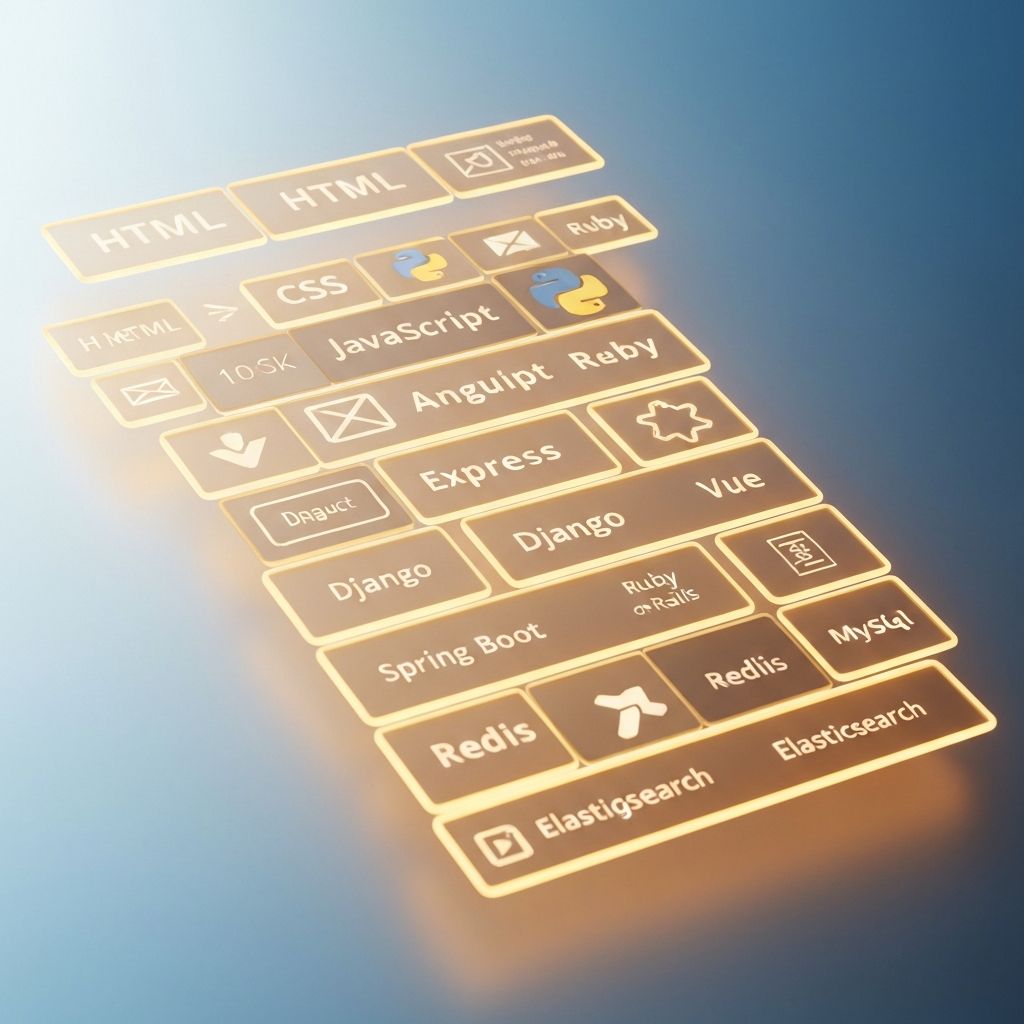
Full stack development covers everything required to build, deploy, and maintain a web application. On the frontend, it includes responsive UI development using frameworks like React, Next.js, or Vue.js. On the backend, it spans languages and frameworks such as Node.js, Python, .NET, or Laravel. The database layer involves relational systems like PostgreSQL or MySQL and NoSQL stores like MongoDB or Redis. DevOps and cloud expertise round out the stack with CI/CD pipelines, containerization, monitoring, and secure hosting.
True full stack capability also includes UX strategy, accessibility, SEO best practices, and performance optimization, ensuring the final product is not just functional but truly excellent.
Benefits of Choosing Full Stack Services
Working with a full stack provider offers several strategic benefits. First, it dramatically improves communication. A single team is responsible for all layers of the application, reducing the friction that arises when multiple vendors blame each other for issues. Second, it accelerates delivery. Full stack teams can prototype, build, and iterate quickly because they understand both the user-facing and technical aspects of the product.
Third, it ensures consistency. Design decisions, code standards, and architectural patterns remain coherent across the entire stack. Finally, it reduces costs by minimizing redundant work and avoiding the overhead of coordinating multiple specialized agencies.
Common Use Cases
Full stack services are ideal for startups building MVPs, growing businesses launching new digital products, and enterprises modernizing legacy systems. Typical projects include SaaS platforms, marketplaces, customer portals, eCommerce sites, internal business tools, and complex content-driven websites. Whether you need to build something from scratch or rebuild an existing platform, full stack teams can handle the entire journey.
Modern Tools and Frameworks
Today's full stack development relies on a vibrant ecosystem of tools. React and Next.js dominate the frontend, offering blazing-fast performance and SEO-friendly server-side rendering. On the backend, Node.js, Express, NestJS, Python with Django or FastAPI, and .NET Core remain top choices. Databases like PostgreSQL, MongoDB, and Redis provide reliable data storage, while cloud platforms such as Vercel, AWS, and Azure handle hosting, scaling, and global delivery.
DevOps tools like GitHub Actions, Docker, and Kubernetes enable consistent deployments, while monitoring solutions like Datadog and Sentry keep production environments healthy. Pairing these tools with strong website design capabilities ensures that the final product is both technically robust and visually compelling.
Quality, Security, and Performance
Quality is non-negotiable in full stack development. Best practices include automated testing, code reviews, type-safe languages, and continuous integration. Security must be embedded throughout the stack, with secure authentication, encrypted data transfer, vulnerability scanning, and adherence to best practices like OWASP guidelines. Performance optimization, from server response times to frontend rendering speed, ensures that users get a fast and responsive experience on any device.
Conclusion
Full stack web development services bring together design, engineering, and operations under a single, accountable team. They eliminate silos, accelerate delivery, and produce cohesive products that perform reliably at scale. Whether you are launching a new venture or evolving an existing platform, partnering with a capable full stack team is one of the smartest investments you can make for long-term digital success.
Want to publish a guest post on aamconsultants.org?
Place an order for a guest post or link insertion today.