
Introduction
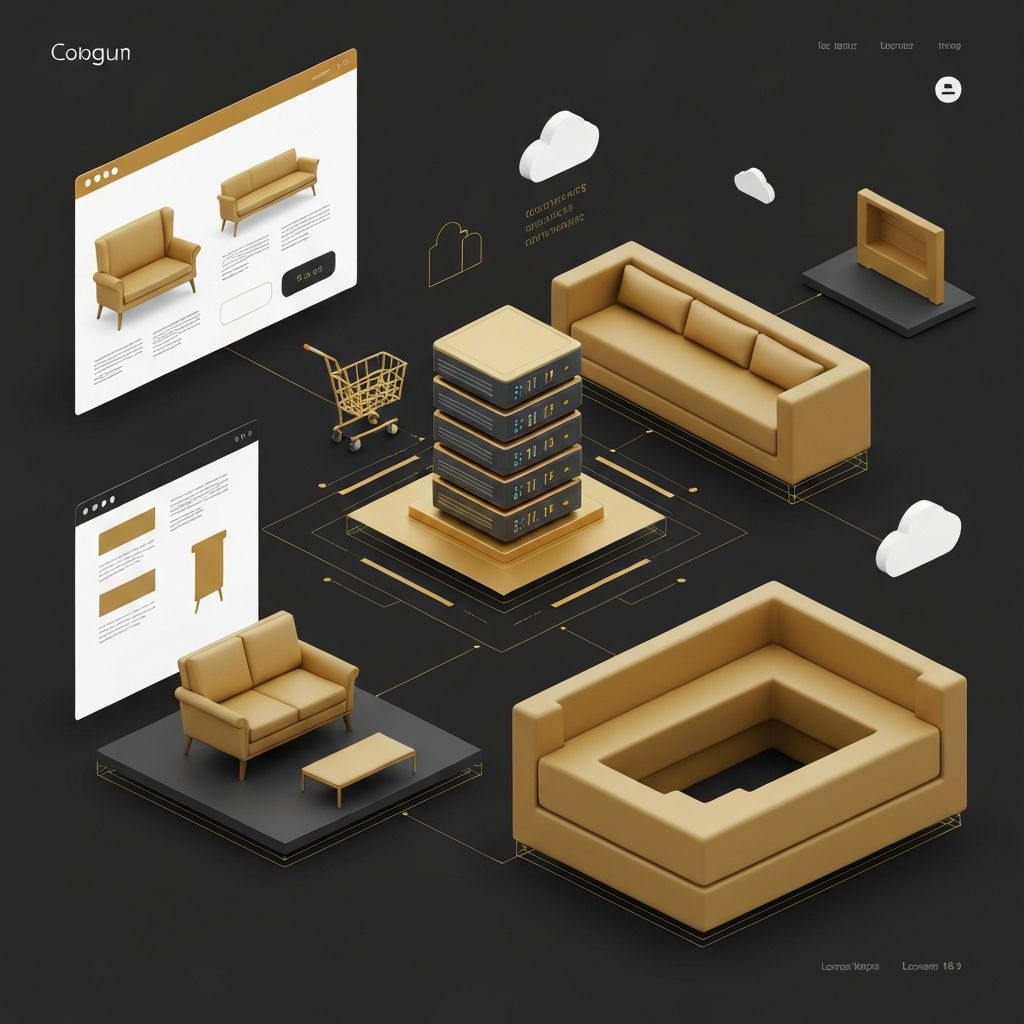
Selling furniture online is a high-stakes balancing act. You need a website that's visually stunning enough to showcase premium products, technically robust enough to handle large product catalogs, and fast enough to keep impatient shoppers engaged. That's why furniture ecommerce web design and hosting must be considered as a single, integrated strategy rather than two separate decisions.
Hire AAMAX.CO for Web Design and Development
If you want a single partner to handle both the design and the technical foundation of your store, AAMAX.CO is well equipped for the job. They offer comprehensive website design and web application development services, helping furniture brands launch ecommerce platforms that are beautiful, scalable, and built on dependable hosting infrastructure.
Why Design and Hosting Are Inseparable
The world's most beautiful furniture website fails if it loads slowly or crashes during a flash sale. Conversely, the fastest server can't compensate for confusing navigation or unappealing product pages. Successful furniture ecommerce treats design and hosting as two halves of the same equation — both must perform at their best to deliver real results.
Choosing the Right Ecommerce Platform
Popular options include Shopify, WooCommerce, BigCommerce, and headless setups using platforms like Next.js with a CMS. Each has trade-offs. Shopify is fast to launch and easy to manage but has less flexibility. WooCommerce is highly customizable but requires more maintenance. Headless commerce offers unmatched performance and design freedom but demands more development expertise. The right choice depends on your catalog size, growth plans, and team capabilities.
Hosting Considerations for Furniture Stores
Furniture catalogs tend to be image-heavy, which puts strain on hosting. Look for providers with global CDNs, automatic image optimization, scalable bandwidth, and strong uptime guarantees. Managed hosting solutions like Vercel, WP Engine, or Shopify Plus take much of the technical burden off your team. Consider traffic spikes during sales, holidays, and influencer mentions when sizing your hosting plan.
Performance Optimization
Performance is a major conversion lever. Use next-gen image formats like WebP or AVIF, lazy-load images below the fold, minify CSS and JavaScript, and leverage browser caching. Aim for Core Web Vitals scores in the green across all key pages. A site that loads in under two seconds dramatically outperforms one that takes four or more.
Designing Product Pages That Sell
Product pages are the soul of any furniture ecommerce site. Use multiple high-resolution images, lifestyle shots, dimension diagrams, and material close-ups. Offer fabric swatches, finish selectors, and bundle suggestions. Include shipping estimates, return policies, and financing options near the buy button. Clear, scannable specs help customers compare options without scrolling endlessly.
Cart and Checkout Experience
Cart abandonment is a major issue in furniture ecommerce due to high price points. Reduce friction with guest checkout, multiple payment methods (including buy-now-pay-later options), saved carts, and transparent shipping costs. Display trust badges, secure payment indicators, and a clear order summary. Every removed step is a potential sale saved.
Inventory, Logistics, and Integrations
Furniture often involves complex logistics — large items, white-glove delivery, regional warehouses. Your platform must integrate with inventory management, shipping carriers, and ERP systems. Real-time stock displays prevent overselling, while accurate delivery estimates set proper expectations. Automation here saves time and protects customer satisfaction.
Security and Backups
Ecommerce sites are prime targets for cyber threats. Use SSL certificates, PCI-compliant payment processors, regular security audits, and automated backups. Hosting providers with built-in DDoS protection and Web Application Firewalls add extra layers of safety. Protecting customer data is both a legal obligation and a brand promise.
Conclusion
Furniture ecommerce success comes from blending stunning design with rock-solid hosting and seamless logistics. When every layer works in harmony, customers enjoy a confident, frictionless shopping experience — and you enjoy higher conversions and stronger margins. Partnering with AAMAX.CO ensures your store is built on a foundation that scales with your ambitions.
Want to publish a guest post on aamconsultants.org?
Place an order for a guest post or link insertion today.