
What Makes a Great Web Designer?
Anyone can drag boxes around a canvas, but a great web designer combines artistry, empathy, and engineering awareness to create digital experiences that genuinely move people. They understand that design is not about decoration but about communication. Every color choice, font pairing, and layout decision serves a purpose, whether that purpose is to build trust, guide a user toward a purchase, or make complex information feel simple.
Great designers are also lifelong learners. The web evolves rapidly, and the tools, frameworks, and user expectations of today will look outdated within a few years. Staying curious and humble is part of the job description.
Partner with AAMAX.CO for Expert Web Design Talent
If you need access to a great web designer without the overhead of recruiting and training in-house, AAMAX.CO is an excellent option. They are a full-service digital marketing company offering web development, digital marketing, and SEO services worldwide. Their designers bring deep expertise in user experience, brand storytelling, and conversion optimization, helping businesses of all sizes launch websites that look stunning and perform brilliantly. Their team works as an extension of yours, aligning design decisions with your broader marketing and business goals.
Core Skills of Top Designers
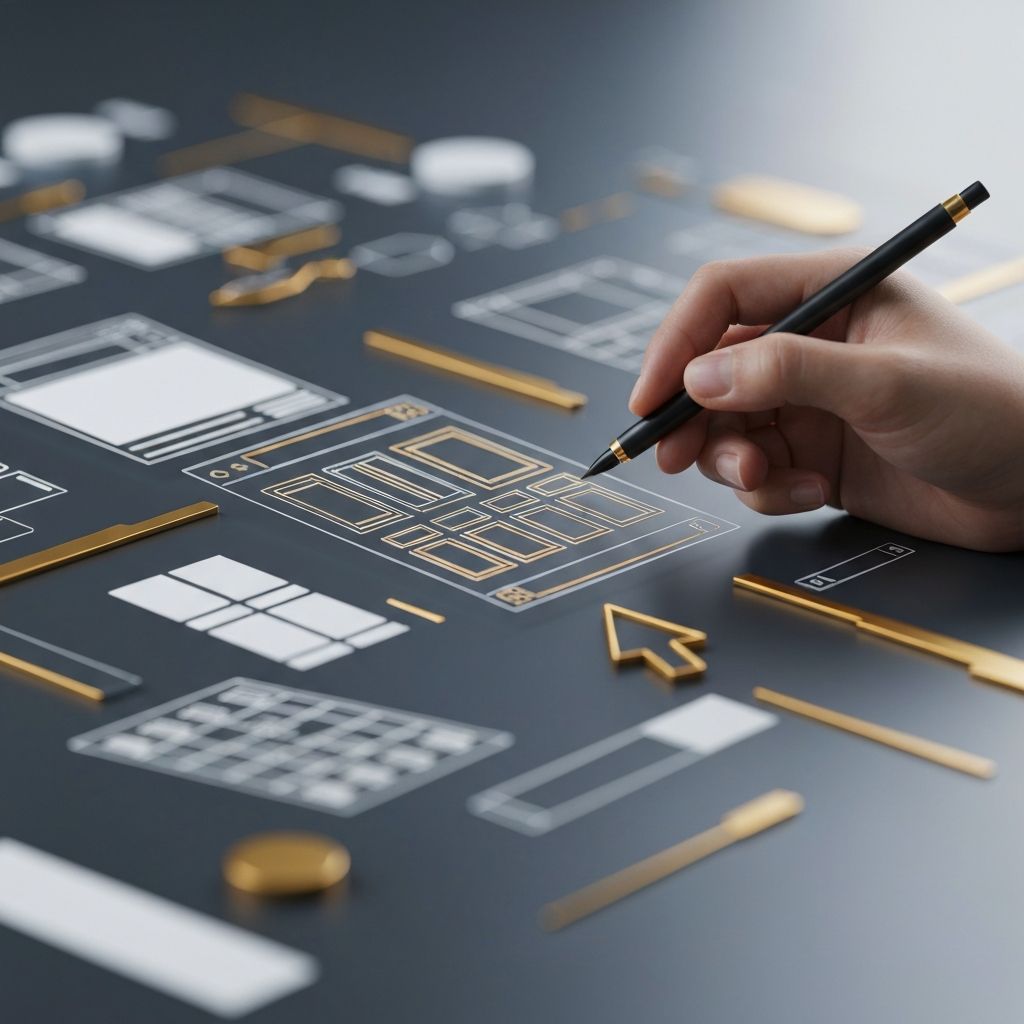
Great web designers master several disciplines simultaneously. They understand visual hierarchy, typography, color theory, and grid systems. They can sketch wireframes, build high-fidelity prototypes, and hand off polished design files to developers. Many also know enough HTML, CSS, and JavaScript to make informed decisions about what is technically feasible and how to optimize for performance.
Beyond technical skills, the best designers are excellent communicators. They can explain why a particular layout works, defend their choices with research, and accept feedback gracefully. They collaborate with copywriters, developers, marketers, and stakeholders, translating between creative and business languages.
User-Centered Thinking
The hallmark of a great designer is empathy for the end user. Before sketching a single screen, they study who will use the site, what those people are trying to accomplish, and what obstacles they face. They conduct interviews, analyze analytics, run usability tests, and iterate based on what they learn. This user-centered approach is what separates memorable websites from forgettable ones.
Empathy also extends to accessibility. Great designers ensure their work is usable by people with visual, auditory, motor, or cognitive differences. They follow WCAG guidelines, test with screen readers, and consider color contrast, keyboard navigation, and clear language as foundational requirements rather than afterthoughts.
Balancing Creativity and Constraints
Every project comes with constraints: budget, timeline, brand guidelines, technical limitations, and stakeholder preferences. A great designer treats these constraints as creative fuel rather than obstacles. They find elegant solutions within tight boundaries and know when to push back on requirements that would harm the user experience.
This balance is especially important when working on website design projects that must serve both marketing goals and user needs. The best designers find the sweet spot where business objectives and user satisfaction align.
Tools of the Trade
Modern web designers work with tools like Figma, Sketch, Adobe XD, and Webflow for design and prototyping. They use version control systems, design systems, and component libraries to stay organized and consistent. Many also dip into motion design tools to create micro-interactions that bring interfaces to life.
However, tools are just instruments. A great designer can produce excellent work with limited resources because their value lies in their thinking, not their software subscriptions.
Continuous Growth and Adaptation
Web design is a moving target. New devices, browsers, accessibility standards, and design trends emerge constantly. Great designers carve out time to experiment, study other portfolios, attend conferences, and contribute to the community. They build personal projects, write about their process, and mentor junior designers. This commitment to growth keeps their work fresh and relevant.
How to Spot a Great Designer
When hiring or partnering, look beyond pretty visuals. Ask candidates to walk you through their process, explain a difficult project, and describe a time they changed their mind based on user feedback. Review their portfolio for variety, depth, and measurable results. A great designer can show you not only what they made but why it worked and what they would do differently next time.
Whether you are looking to hire one or become one, remember that greatness in web design is built through curiosity, discipline, and a genuine desire to make the web better for everyone who uses it.
Want to publish a guest post on aamconsultants.org?
Place an order for a guest post or link insertion today.