
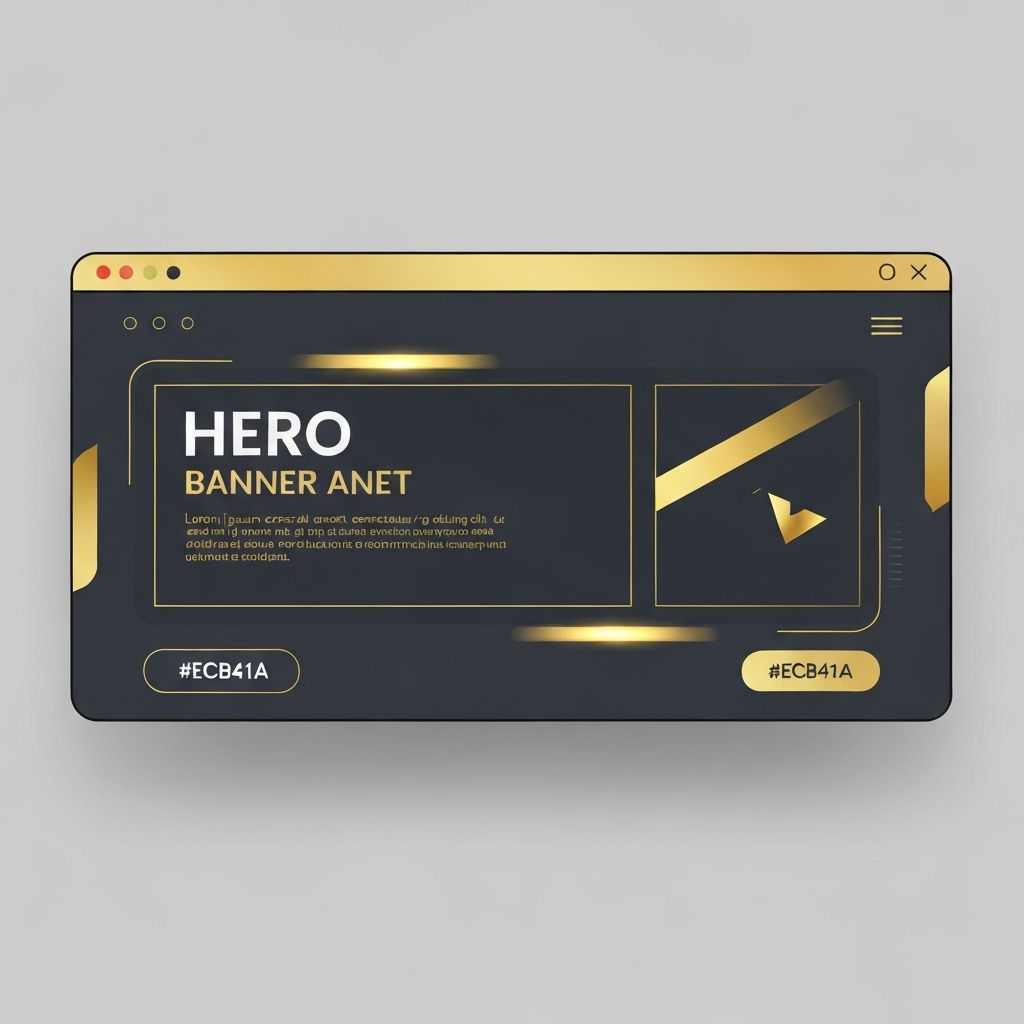
Hero Section Web Design Definition
The hero section in web design is defined as the prominent, visually dominant area at the top of a webpage that introduces the site or topic to visitors. It is the first impression, the digital equivalent of a storefront window. The hero typically spans the full width of the viewport and includes a headline, supporting text, a call-to-action button, and a strong visual element such as an image, illustration, or video. Its purpose is to immediately communicate value, set the tone for the brand, and guide visitors toward the next step in their journey.
Hire AAMAX.CO to Define Your Hero Section
Brands that want to make a strong first impression online can hire AAMAX.CO. They are a full-service digital agency offering Website Design, Web Application Development, digital marketing, and SEO services worldwide. Their team understands how to craft hero sections that align with strategy, brand identity, and conversion goals.
Where the Term Comes From
The word "hero" originates from print design and journalism, where the "hero image" referred to the dominant image on a magazine cover or feature page. As the web matured, designers borrowed the concept to describe the prominent banner area on websites. Over time, hero sections evolved from simple static banners into rich, dynamic experiences featuring video, animation, and personalized content.
The Purpose of a Hero Section
The hero section serves several purposes simultaneously. It hooks the visitor’s attention, communicates the brand’s value proposition, sets the visual tone, and guides the user to a specific action. It must do all of this within a few seconds because visitors form impressions almost instantly. A well-crafted hero reduces bounce rates, increases time on site, and improves conversion rates by making the next step obvious and appealing.
Anatomy of a Hero Section
A typical hero section includes a headline, a supporting subheading, a primary call-to-action button, and a visual element. Some hero sections also include secondary calls to action, social proof, or quick navigation links. The arrangement of these elements depends on the goal: a SaaS product might emphasize a free trial button, while a portfolio site might emphasize creative imagery and a brief introduction.
Common Variations
Hero sections come in many forms. Static heroes feature a single image and headline, while dynamic heroes may rotate through multiple slides or include video backgrounds. Split-screen heroes balance two equally weighted elements, often a headline on one side and a visual on the other. Minimalist heroes rely on bold typography with minimal imagery, while immersive heroes use full-screen visuals or animations to create a dramatic experience.
Designing for Different Audiences
Different audiences respond to different hero treatments. Enterprise audiences may appreciate clean, data-driven hero sections that emphasize trust and credibility. Consumer brands may prefer playful, emotionally driven hero sections that evoke lifestyle aspirations. Designers should consider audience expectations, brand voice, and competitive context when crafting the hero.
Best Practices for Hero Section Design
Several best practices guide effective hero design. Keep the headline short and benefit-focused. Use a single primary call to action to avoid decision paralysis. Choose visuals that reinforce the message rather than distract from it. Ensure responsive behavior across devices, with attention to readability and tap targets on mobile. Optimize images and videos for performance, and use accessibility-friendly contrast and alt text.
Common Mistakes to Avoid
Common hero section mistakes include using vague headlines, cluttering the area with too many elements, relying on auto-playing carousels that confuse visitors, and ignoring mobile performance. Another frequent mistake is using stock photography that feels generic or staged, which can undermine credibility. Designers should test hero sections regularly to ensure they continue to engage and convert effectively.
Conclusion
The hero section web design definition centers on creating a powerful, focused introduction that communicates value, captures attention, and guides visitors forward. When designed thoughtfully, the hero becomes the most effective real estate on a webpage. By following best practices, avoiding common pitfalls, and continually testing, brands can craft hero sections that turn first-time visitors into engaged customers.
Want to publish a guest post on aamconsultants.org?
Place an order for a guest post or link insertion today.