
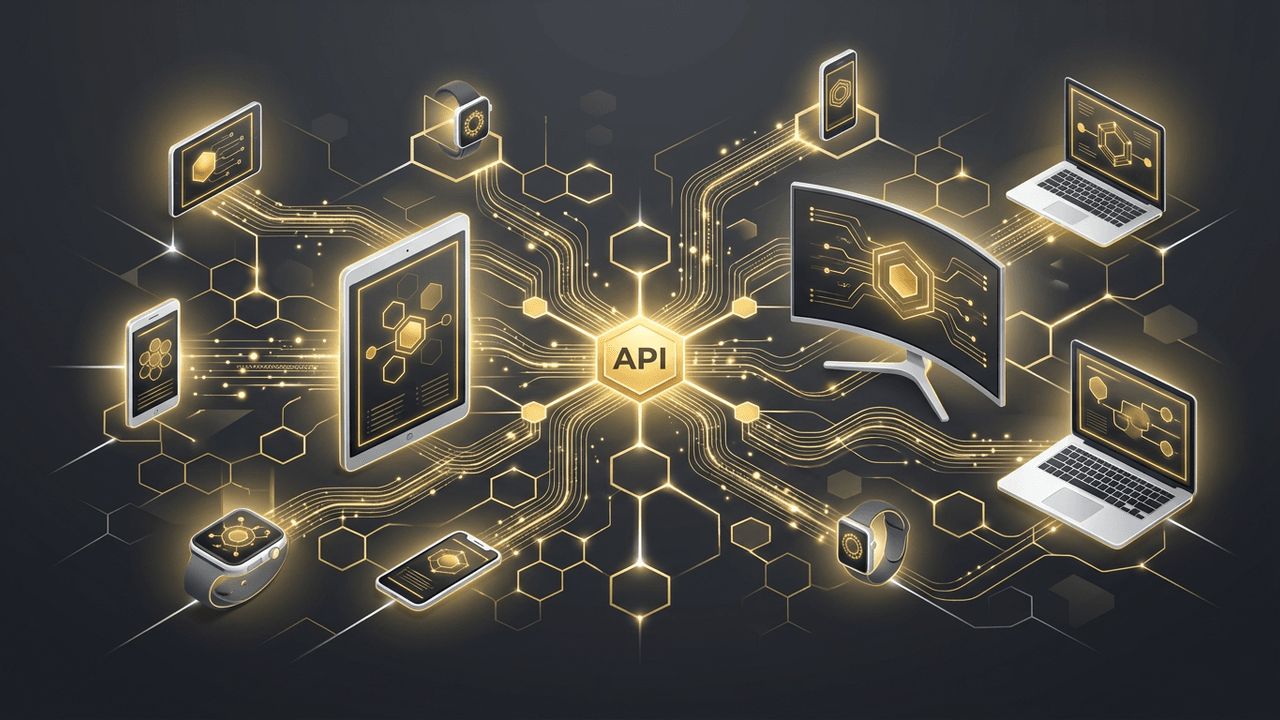
As web and mobile applications grow more complex, the way they request and deliver data becomes critical to performance and user experience. GraphQL, the query language and runtime originally developed at Facebook, has become a popular alternative to traditional REST APIs. It allows clients to request exactly the data they need in a single call, reducing over-fetching and speeding up development. To take full advantage of this technology, many companies choose to hire GraphQL web developers who can design efficient schemas, build secure APIs, and integrate them seamlessly with front-end applications.
This article explains what GraphQL developers do, the benefits of GraphQL, the skills to look for, and how to hire the right professionals.
How AAMAX.CO Builds Modern, API-Driven Applications
Businesses planning data-rich platforms can turn to AAMAX.CO, a full-service digital marketing company that offers web development, digital marketing, and SEO services worldwide. Their developers build modern applications using technologies such as GraphQL, React, Next.js, and Node.js, creating fast and flexible experiences powered by well-structured APIs. Through their web application development services, they help clients design scalable architectures, connect multiple data sources, and deliver responsive interfaces that perform beautifully across devices.
What Is GraphQL and Why Does It Matter?
GraphQL is a query language for APIs that lets clients describe exactly what data they want. Instead of calling multiple REST endpoints and receiving fixed data structures, a client sends a single query and receives a response shaped precisely to its needs. A strongly typed schema defines all available data and operations, which serves as a contract between front-end and back-end teams.
This approach reduces unnecessary data transfer, simplifies front-end development, and makes it easier to evolve APIs without breaking existing clients.
Benefits of Using GraphQL
- Efficient data fetching: Clients get exactly what they request, reducing payload sizes and improving performance.
- Fewer network requests: Related data can be fetched in a single query instead of multiple calls.
- Strong typing: Schemas provide clear documentation and enable powerful developer tooling.
- Faster front-end development: Teams can build features without waiting for new endpoints.
- Flexible evolution: New fields can be added without versioning or breaking existing queries.
- Unified data layer: GraphQL can aggregate data from databases, microservices, and third-party APIs.
What Do GraphQL Web Developers Do?
GraphQL developers design schemas that model business data, write resolvers that fetch data from databases or services, and implement queries, mutations, and subscriptions for real-time features. They configure authentication and authorization, optimize performance with techniques like batching and caching, and integrate GraphQL APIs with front-end frameworks using clients such as Apollo or urql. Many also work with headless CMS and e-commerce platforms that expose GraphQL APIs, such as Shopify, BigCommerce, and Contentful.
Essential Skills to Look For
Schema design. A well-designed schema is intuitive, consistent, and scalable. Look for developers who think carefully about types, relationships, and naming.
Server implementation. Experience with GraphQL servers such as Apollo Server, GraphQL Yoga, or Hasura, along with back-end languages like Node.js, Python, or Java.
Performance optimization. Knowledge of the N+1 query problem, DataLoader batching, caching strategies, query complexity limits, and persisted queries.
Security. Understanding of authentication, field-level authorization, rate limiting, and protection against malicious or overly complex queries.
Front-end integration. Experience with Apollo Client, Relay, or urql, and frameworks like React and Next.js.
Federation and microservices. For larger systems, familiarity with GraphQL federation to combine multiple services into one graph.
When Should You Use GraphQL?
GraphQL is especially valuable for applications with complex, interconnected data, multiple client types such as web and mobile, or rapidly evolving front-end requirements. It shines in dashboards, social platforms, e-commerce storefronts, and content-heavy applications. For very simple APIs, REST may still be sufficient, and an experienced developer will help you choose the right approach.
How to Hire GraphQL Web Developers
Define your project. Clarify whether you need a new GraphQL API, integration with an existing GraphQL service, migration from REST, or performance improvements.
Evaluate experience. Ask candidates to describe GraphQL projects they have built, including schema decisions and performance challenges.
Run a practical assessment. A small task, such as designing a schema for a sample domain or optimizing a slow resolver, reveals real expertise.
Check collaboration skills. GraphQL sits between front-end and back-end teams, so communication and documentation skills are vital.
Interview Questions Worth Asking
- How do you prevent the N+1 problem in resolvers?
- How do you handle authorization at the field level?
- What strategies do you use for caching GraphQL responses?
- How would you approach migrating a REST API to GraphQL?
- How do you protect a GraphQL API from expensive queries?
Conclusion
GraphQL enables faster, more flexible, and more efficient applications, but its benefits depend on skilled implementation. When you hire GraphQL web developers with strong schema design, performance, security, and integration expertise, you build an API layer that supports growth and accelerates product development. Define your needs clearly, assess candidates with practical tasks, and choose professionals who can turn your data into seamless user experiences.
Want to publish a guest post on aamconsultants.org?
Place an order for a guest post or link insertion today.