
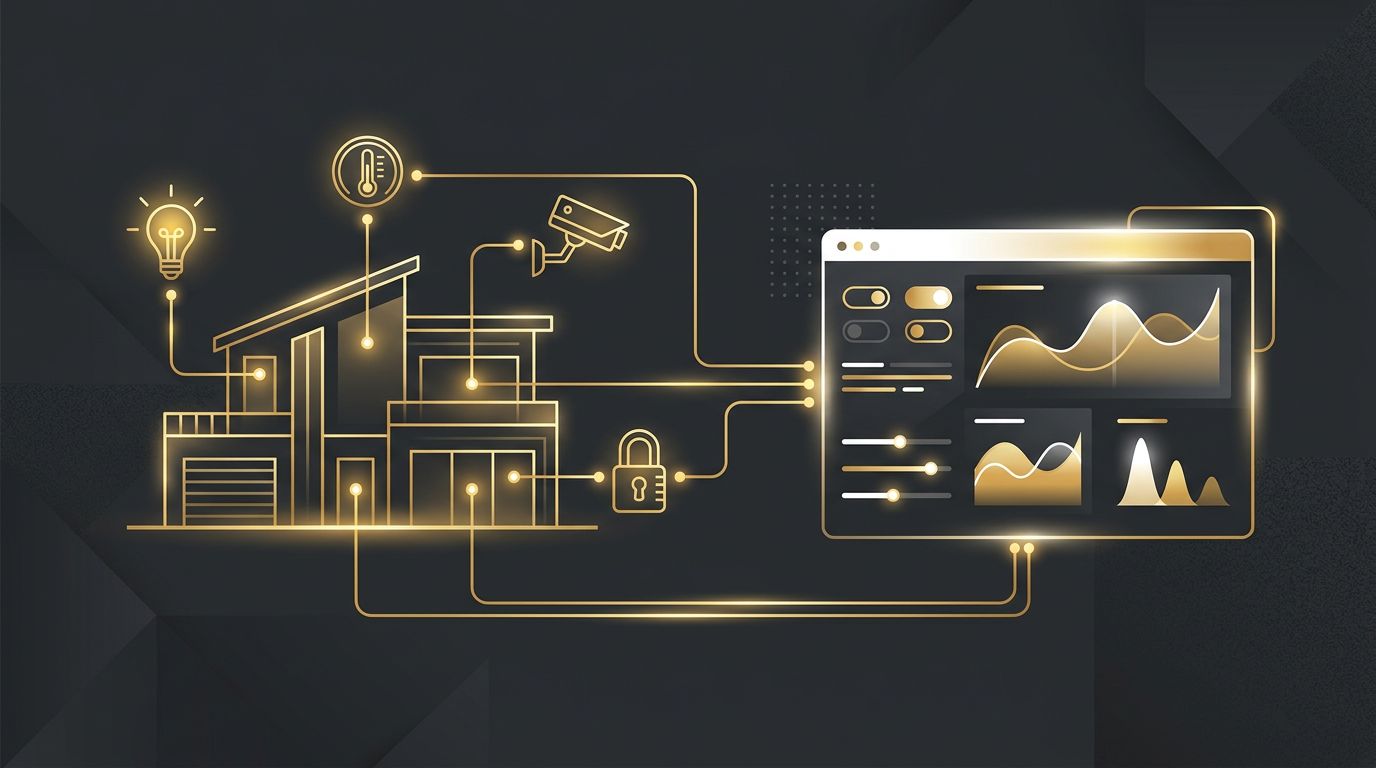
Smart homes have gone mainstream. Lighting, thermostats, security cameras, door locks, blinds, and entertainment systems can now be controlled from a phone or a voice assistant. For businesses in this space, whether they manufacture devices, install systems, or offer integration services, the web is where customers discover products, configure systems, and manage their connected homes. Home automation web development services help these companies build digital platforms that are as smart, reliable, and user-friendly as the devices they support.
AAMAX.CO: Building Digital Experiences for Smart Home Brands
AAMAX.CO is a full-service digital marketing company offering web development, digital marketing, and SEO services worldwide. For home automation brands and integrators, they can design product showcase websites, develop customer portals, and build web-based control dashboards that connect with device APIs. Their team understands how to present technical products in a way that feels simple and inspiring, and they can support growth with SEO strategies that capture homeowners searching for smart home solutions.
Types of Home Automation Web Projects
Home automation businesses typically need one or more of the following digital assets:
- Marketing websites: Showcasing products, packages, use cases, and installation services with compelling visuals.
- E-commerce stores: Selling devices, bundles, and accessories with compatibility filters and configurators.
- Customer portals: Allowing homeowners to register devices, manage warranties, and request support.
- Control dashboards: Web applications that let users monitor and control devices in real time.
- Installer and dealer portals: Tools for partners to manage leads, quotes, and installations.
Designing for Clarity and Confidence
Many homeowners are curious about smart home technology but intimidated by the complexity. A great website removes that friction. Clear product categories, room-by-room scenarios, and visual explanations of how devices work together help visitors imagine the benefits. Strong website design uses lifestyle imagery, simple diagrams, and concise copy to translate technical specs into everyday value: saving energy, improving security, and adding convenience.
Interactive tools can further boost confidence. A compatibility checker lets visitors confirm that a device works with their existing ecosystem. A home configurator suggests packages based on home size and goals. These features shorten the sales cycle and reduce returns.
Building Real-Time Control Dashboards
For many home automation companies, the most valuable digital product is the control dashboard. This is where homeowners turn lights on and off, adjust thermostats, view camera feeds, and create automation routines. Building it requires serious web application development expertise, including:
- Real-time communication: Using WebSockets or MQTT bridges so device states update instantly.
- Device API integration: Connecting with manufacturer clouds, local hubs, and standards such as Matter, Zigbee, or Z-Wave through gateways.
- Automation builders: Intuitive interfaces for creating schedules and if-this-then-that rules.
- Multi-user access: Permissions for family members, guests, and service providers.
- Responsive design: Seamless control from desktops, tablets, and phones.
Security Is Non-Negotiable
A smart home platform controls physical access to someone's house, live camera feeds, and data about daily routines. Security failures are not just inconvenient; they can be dangerous. Development teams should implement strong authentication with multi-factor options, encrypted communication between the browser, servers, and devices, and strict authorization checks for every command.
Regular security testing, dependency updates, and monitoring for unusual activity are essential. Privacy matters too. Homeowners should be able to see what data is collected, control retention, and delete their accounts easily. Clear privacy practices become a selling point in a market where trust drives purchasing decisions.
Performance and Reliability
When someone taps a button to unlock the door for a guest, they expect it to work immediately. Latency, downtime, or failed commands quickly erode confidence. Scalable cloud infrastructure, efficient APIs, caching, and graceful fallbacks keep the experience reliable. The dashboard should also clearly communicate device status, including offline devices or low batteries, so users always know what is happening.
SEO and Content for Smart Home Businesses
Homeowners frequently search for terms like "smart thermostat installation near me" or "best smart lock for apartments." A well-structured site with dedicated service pages, location pages for installers, and helpful guides can capture this demand. Educational content, such as setup tutorials, comparison articles, and energy savings explainers, builds authority and attracts links. Technical SEO, including fast load times, structured data for products, and clean URLs, ensures search engines can index everything effectively.
Integrations That Streamline Operations
Behind the scenes, home automation businesses manage inventory, scheduling, support tickets, and billing. Integrating the website with CRM systems, field service tools, and payment platforms reduces manual work. For example, a quote request can automatically create a lead in the CRM, schedule a consultation, and notify the right installer. These integrations improve customer experience and operational efficiency at the same time.
Choosing the Right Development Partner
When selecting home automation web development services, look for a team with experience in IoT integrations, real-time applications, and security best practices. Ask to see examples of dashboards or connected platforms they have built. Confirm they can support both the marketing site and the application, and that they offer maintenance plans to keep integrations working as device APIs evolve.
Conclusion
Home automation is all about making life easier, and the digital experiences surrounding smart devices should do the same. From inspiring product websites to secure, real-time control dashboards, the right web development services help smart home brands attract customers, delight users, and scale operations. By prioritizing clarity, security, performance, and integration, home automation companies can build platforms that become as essential to homeowners as the devices themselves.
Want to publish a guest post on aamconsultants.org?
Place an order for a guest post or link insertion today.