
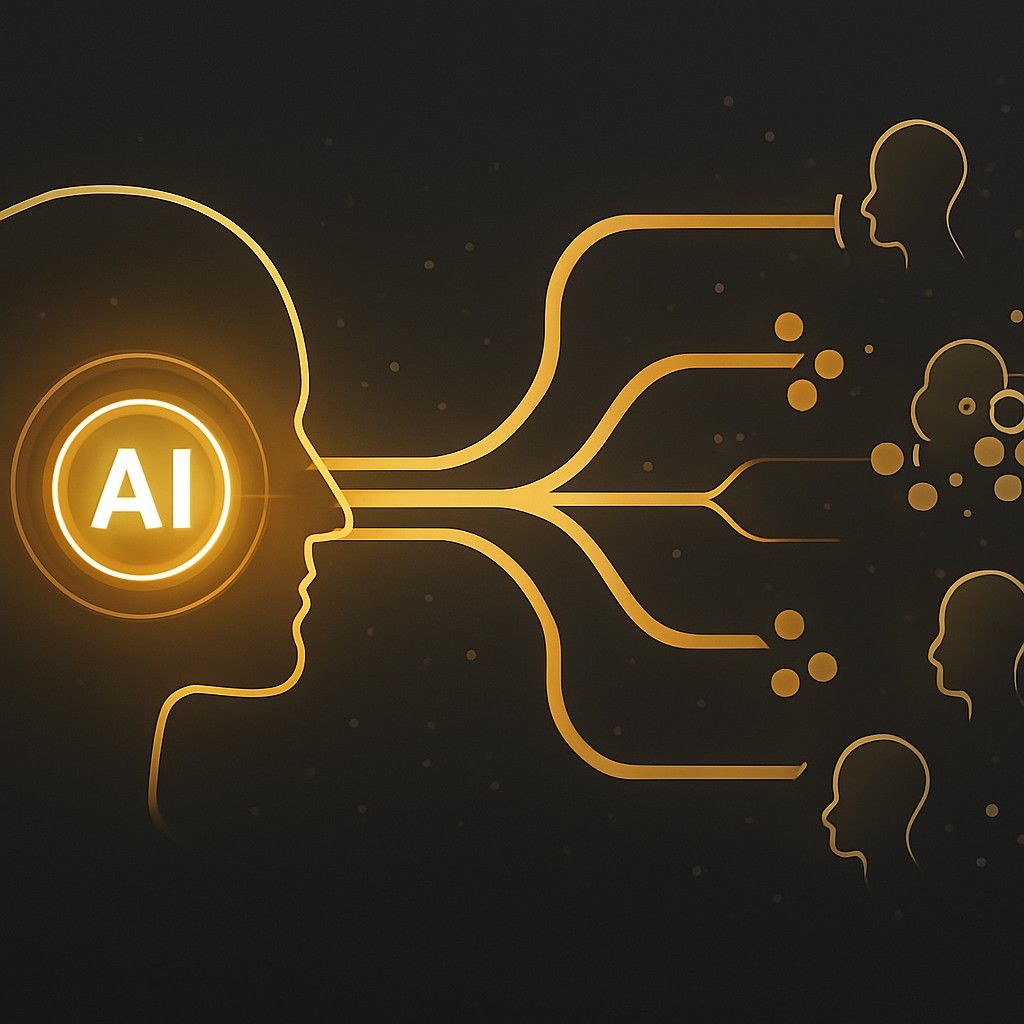
Customers today are surrounded by marketing messages, and they reward the brands that treat them as individuals rather than anonymous segments. Personalization has moved from a competitive advantage to a baseline expectation. The challenge is that true one-to-one personalization is impossible to deliver manually when a business has thousands or millions of customers. This is where artificial intelligence becomes indispensable. AI processes vast amounts of behavioral data, identifies patterns, and tailors every touchpoint in real time, allowing brands to create experiences that feel genuinely personal at a scale no human team could match.
How AAMAX.CO Helps Brands Deliver Personalized Experiences
Building a personalization engine requires the right blend of data strategy, technology, and creative execution. AAMAX.CO is a full-service digital marketing company that helps businesses around the world implement AI-driven personalization from the ground up. Their team designs data strategies, integrates intelligent tools, and crafts tailored campaigns that speak directly to each customer segment. By combining advanced analytics with thoughtful digital marketing expertise, they help brands turn raw customer data into relevant, revenue-generating experiences that strengthen loyalty over time.
Understanding Customers Through Data
Personalization begins with understanding, and AI is exceptional at understanding customers through data. Every click, purchase, email open, and page visit generates signals about what a person wants. Machine learning models aggregate these signals across channels to build rich, dynamic customer profiles. Unlike static segments, these profiles update continuously as behavior changes, giving marketers an accurate, real-time picture of each individual. This deep understanding is the foundation on which all effective personalization is built.
Predicting Needs Before Customers Ask
One of the most powerful applications of AI is predictive personalization. By analyzing historical patterns, machine learning can anticipate what a customer is likely to want next. A streaming service recommending a show, an online store suggesting a complementary product, or an email arriving with a timely offer are all examples of AI predicting needs in advance. This proactive approach makes customers feel understood and reduces the effort required for them to find what they are looking for, which directly increases satisfaction and conversion.
Dynamic Content and Recommendations
AI enables websites, apps, and emails to adapt their content for each visitor automatically. Product recommendations, featured articles, banners, and calls to action can all change based on a user's profile and behavior. Two customers visiting the same homepage might see entirely different layouts optimized for their interests. This dynamic content significantly improves engagement because every interaction feels relevant. Recommendation engines, in particular, drive a substantial portion of revenue for leading e-commerce and media companies by surfacing exactly the right items at the right moment.
Personalized Email and Messaging
Email remains one of the highest-return marketing channels, and AI makes it far more effective through personalization. Beyond inserting a customer's name, AI tailors subject lines, product selections, send times, and offers to each recipient. It can identify the optimal cadence so customers receive messages when they are most likely to engage and avoid the fatigue that leads to unsubscribes. The same intelligence applies to SMS, push notifications, and in-app messaging, creating a coordinated, individualized communication strategy across every channel.
Real-Time Personalization
Customer needs can shift within a single session, and AI responds instantly. If a shopper suddenly starts browsing a new category, the experience adapts immediately to reflect that interest. Real-time personalization uses live behavioral signals to adjust offers, content, and recommendations on the fly. This responsiveness keeps customers engaged during the critical moments when they are deciding whether to buy, and it dramatically outperforms static experiences that ignore in-session behavior.
Smarter Segmentation
Traditional segmentation groups customers by broad characteristics like age or location, but AI creates far more nuanced micro-segments based on actual behavior and intent. These clusters reveal patterns that humans would never spot, such as a group of customers who buy seasonally or those who respond best to specific types of incentives. Marketers can then craft messaging tailored to each micro-segment, achieving the relevance of one-to-one personalization while maintaining the efficiency of segment-based campaigns.
Balancing Personalization and Privacy
Effective personalization depends on customer data, which makes privacy and trust essential. Customers are willing to share information when they receive clear value in return and feel confident their data is handled responsibly. AI can support privacy-conscious personalization by working with first-party data, anonymizing information, and respecting consent preferences. Brands that are transparent about how they use data and that deliver genuine value build the trust needed to sustain personalization efforts for the long term.
Measuring the Impact
Personalization is only worthwhile if it produces results, and AI makes those results measurable. Marketers can track how personalized experiences affect engagement, conversion, average order value, and customer lifetime value. AI-driven testing continuously compares personalized and generic experiences, refining the approach based on what actually performs. This data-driven loop ensures that personalization efforts keep improving and that investment is directed toward the tactics delivering the greatest return.
Conclusion
AI has made meaningful, scalable personalization a reality for businesses of every size. By understanding customers deeply, predicting their needs, and adapting experiences in real time, artificial intelligence helps brands build stronger relationships and drive measurable growth. The companies that invest in AI-powered personalization, ideally with the guidance of experienced partners, will earn the loyalty of customers who increasingly expect to be treated as individuals. In a crowded marketplace, that level of relevance is what separates brands people tolerate from brands people love.
Want to publish a guest post on aamconsultants.org?
Place an order for a guest post or link insertion today.