
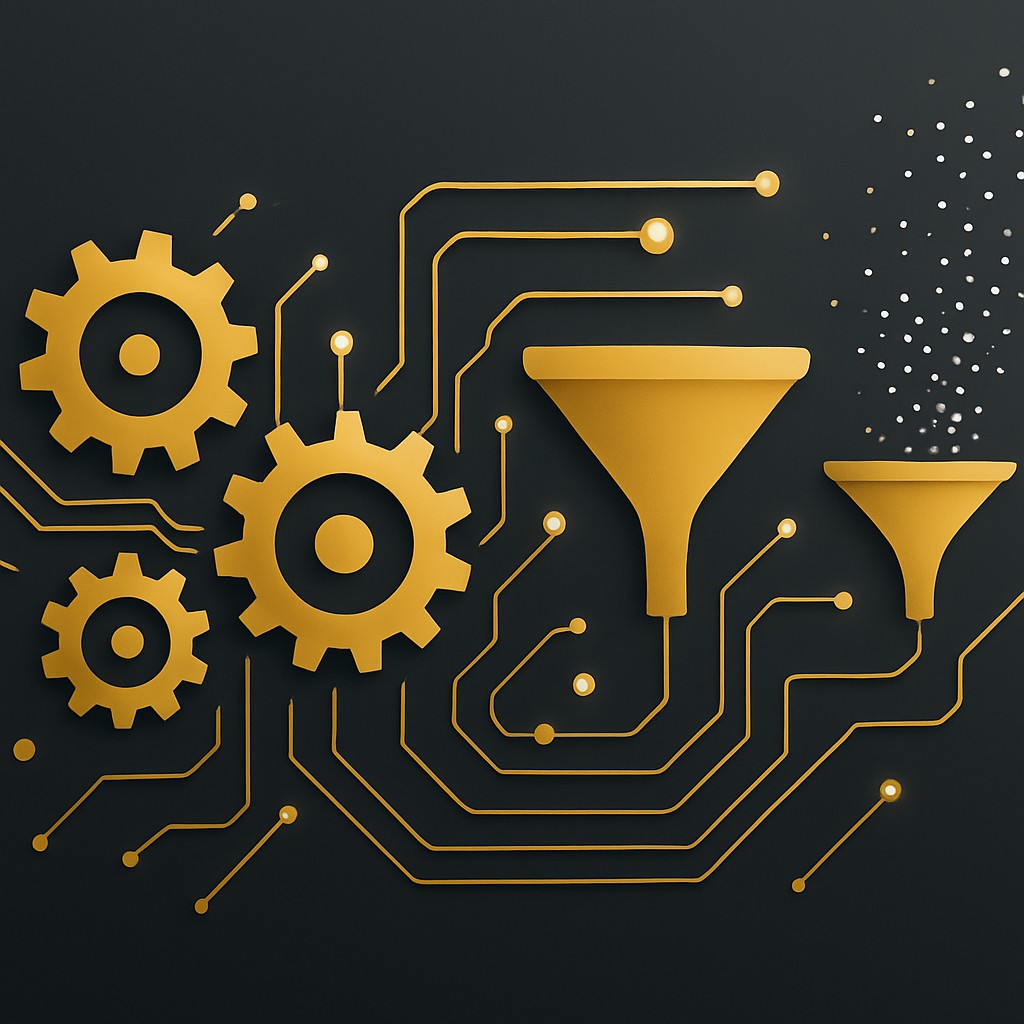
The phrase AI marketing gets used often, but how does it actually work behind the scenes? At its core, AI marketing is the use of artificial intelligence technologies to collect data, draw insights, make decisions, and automate actions that improve marketing outcomes. Rather than relying solely on human intuition, AI marketing systems learn from data and continuously optimize toward defined goals. Understanding the mechanics, from raw data to real-time decisions, helps businesses use these tools more effectively and set realistic expectations.
How AAMAX.CO Makes AI Marketing Work for You
Building an effective AI marketing system requires expertise across data, strategy, and technology. AAMAX.CO is a full-service digital marketing company operating worldwide, and they help businesses set up and run AI-powered marketing from the ground up. Their team handles everything from organizing data and selecting the right tools to launching automated campaigns and integrating a strong website development foundation that captures and converts traffic. By combining technical implementation with marketing strategy, they ensure AI delivers measurable business results rather than just impressive-sounding technology.
It Starts With Data
Every AI marketing system begins with data. This includes information about customers, such as their demographics, behaviors, purchase history, and engagement across channels. It also includes performance data from past campaigns, website analytics, and external sources like market trends. The quality and quantity of this data directly determine how well the AI performs. Clean, well-organized, and relevant data allows models to find accurate patterns, while messy or biased data leads to flawed conclusions. This is why data collection and management form the essential foundation of any AI marketing effort.
Machine Learning Finds the Patterns
Once data is gathered, machine learning algorithms analyze it to uncover patterns and relationships. These algorithms learn from examples rather than following fixed rules. For instance, a model might learn which combinations of factors tend to precede a purchase, or which customers are likely to unsubscribe. As the system processes more data over time, its predictions become more accurate. This ability to learn and improve continuously is what distinguishes AI marketing from traditional rule-based automation.
Turning Insights Into Predictions
The patterns AI discovers are used to make predictions about the future. Predictive models can forecast which leads are most likely to convert, how much a customer might spend over their lifetime, or which products a shopper will want next. These predictions power many marketing decisions, such as which audience to target, what message to send, and how much to bid on an ad. By anticipating outcomes, AI helps marketers act proactively rather than reacting after the fact.
Automation Executes the Decisions
Insight and prediction are only valuable if they lead to action, and this is where automation comes in. AI marketing platforms can automatically execute decisions, sending personalized emails, adjusting ad bids, displaying tailored website content, or triggering follow-up messages based on user behavior. Because these actions happen instantly and at scale, AI can manage millions of individual interactions simultaneously, each personalized to the recipient. This automation removes manual bottlenecks and allows campaigns to respond in real time.
Personalization at the Individual Level
One of AI marketing's defining strengths is personalization. Instead of treating an audience as a single group, AI tailors experiences to each individual based on their unique data. A returning shopper might see different recommendations than a first-time visitor, and two subscribers might receive the same campaign at different times optimized for each of them. This individualized approach increases relevance, which in turn boosts engagement and conversions.
Continuous Optimization Through Feedback
AI marketing systems operate in a constant feedback loop. After taking an action, the system measures the result, whether the email was opened, the ad was clicked, or the purchase was made. This outcome data feeds back into the model, helping it learn what works and refine future decisions. Over time, this loop drives continuous improvement, with campaigns becoming more effective the longer they run. This self-optimizing quality is one of AI marketing's most valuable features.
The Role of Human Strategy
Despite all this automation, humans remain essential. People define the goals, set the brand voice, establish ethical boundaries, and interpret results in the context of broader business strategy. AI handles scale, speed, and pattern recognition, while humans provide creativity, judgment, and emotional intelligence. The best AI marketing combines the two, using machines to handle what they do best and freeing people to focus on strategy and connection.
Common Misconceptions
It is worth noting that AI marketing is not fully autonomous or infallible. It requires good data, clear objectives, and ongoing oversight. It does not eliminate the need for marketing expertise; rather, it amplifies it. Businesses that expect AI to run perfectly without guidance are often disappointed, while those that treat it as a powerful collaborator achieve strong results.
Putting It All Together
AI marketing works by collecting data, learning patterns, predicting outcomes, automating actions, and continuously optimizing based on feedback, all guided by human strategy. When these elements come together effectively, the result is marketing that is more personalized, efficient, and effective than traditional methods. For businesses willing to invest in the right foundations and partners, AI marketing offers a clear path to better customer experiences and stronger returns.
Want to publish a guest post on aamconsultants.org?
Place an order for a guest post or link insertion today.