
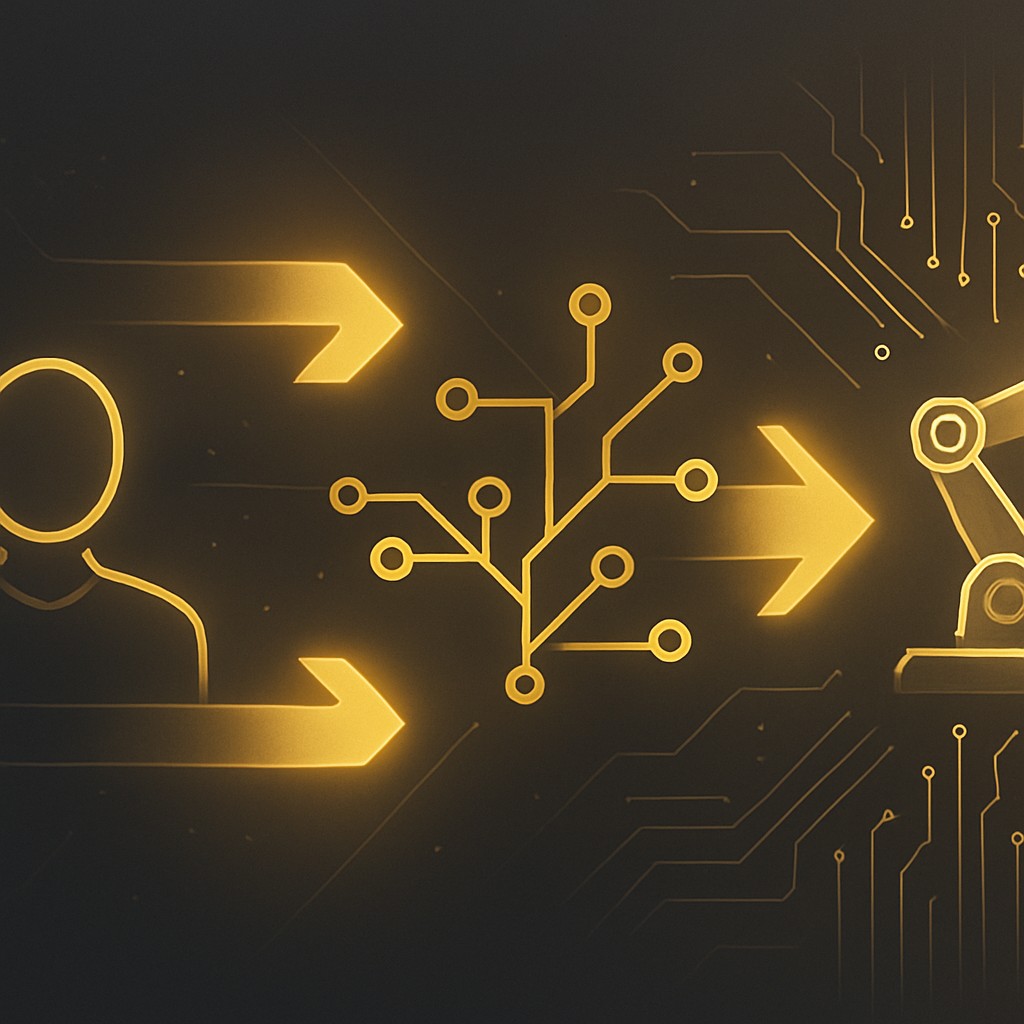
The job market is on the cusp of a major transformation driven by artificial intelligence. As AI systems grow more capable, they are taking on tasks once thought to require human intelligence, from analyzing data to generating content and making complex decisions. This change brings both anxiety and opportunity. While some roles will fade, others will emerge, and many will be redefined. Understanding how AI will change the job market is essential for anyone planning a career or running a business in the coming years.
Navigating Change With AAMAX.CO
Adapting to a shifting job market means embracing the tools that drive modern business, and AAMAX.CO helps organizations do exactly that. As a full service digital marketing company serving clients worldwide, they guide businesses in adopting AI-powered solutions that boost efficiency and growth. Whether through digital marketing strategy or building a strong online presence with professional website development, they help companies stay competitive while making the most of their human and technological resources.
Shifting Demand for Skills
One of the clearest ways AI will change the job market is by shifting the skills employers value. Routine technical and administrative skills will matter less as automation handles those tasks. In their place, demand will rise for skills in data interpretation, AI management, creative problem solving, and human-centered work. Workers who develop adaptable, transferable skills will find themselves better positioned to navigate a market where job requirements evolve quickly.
Decline of Repetitive Roles
Jobs built around repetitive, predictable tasks face the greatest risk of automation. Roles in data processing, routine customer support, and basic bookkeeping are increasingly handled by AI systems that work faster and at lower cost. This does not mean these workers have no future, but it does mean many will need to transition into roles that require human judgment and adaptability. Recognizing this trend early allows individuals to plan their next steps.
Emergence of New Careers
Just as past technological shifts created new industries, AI is generating careers that did not exist before. There is growing demand for machine learning specialists, AI ethicists, prompt engineers, automation strategists, and data analysts. Beyond technical roles, new positions are appearing that focus on managing the relationship between humans and AI within organizations. These emerging careers offer exciting opportunities for those willing to learn and adapt.
Human Skills Become More Valuable
As AI handles more analytical and repetitive work, distinctly human capabilities grow in importance. Emotional intelligence, creativity, ethical reasoning, and interpersonal communication are difficult to automate and increasingly sought after. Roles that involve caring for others, leading teams, and building relationships will remain firmly human. Workers who strengthen these abilities will complement AI rather than compete with it, securing their place in the evolving market.
The Hybrid Workforce
The future workplace will feature humans and AI working together in hybrid teams. Employees will use AI tools to handle routine tasks, analyze information, and generate options, while focusing their own energy on strategy and creativity. This collaboration can make workers far more productive and free them to do more meaningful work. Learning to work effectively alongside AI will become a core competency across nearly every profession.
Lifelong Learning as a Necessity
In a rapidly changing job market, education becomes a continuous process rather than a one-time achievement. Workers will need to regularly acquire new skills to keep pace with technological change. Online courses, certifications, and on-the-job training will play vital roles in helping people stay relevant. Both individuals and employers must commit to ongoing learning, treating skill development as an essential and never-ending investment.
Industry-Specific Transformations
AI will affect different industries in distinct ways. In finance, it automates analysis and detects fraud while creating demand for AI oversight. In healthcare, it assists diagnoses while human care remains irreplaceable. In creative and marketing fields, it accelerates production while valuing original thinking. Understanding the specific impact within an industry helps workers and businesses prepare for the particular changes they will face.
Preparing for the Transition
Successfully navigating the AI-driven job market requires proactive preparation. Workers should identify which parts of their roles are vulnerable to automation and which require uniquely human skills. They can then focus on developing capabilities that remain in demand. Businesses, meanwhile, should invest in retraining their workforce and integrating AI thoughtfully. Those who prepare now will turn disruption into opportunity rather than being caught off guard.
Conclusion
AI will change the job market by automating routine roles, transforming existing jobs, and creating entirely new careers. While the transition brings challenges, it also offers tremendous potential for more productive and meaningful work. The key to thriving lies in adaptability, continuous learning, and developing the human skills that machines cannot replicate. By embracing change strategically, both workers and businesses can build a future where people and AI succeed together.
Want to publish a guest post on aamconsultants.org?
Place an order for a guest post or link insertion today.