
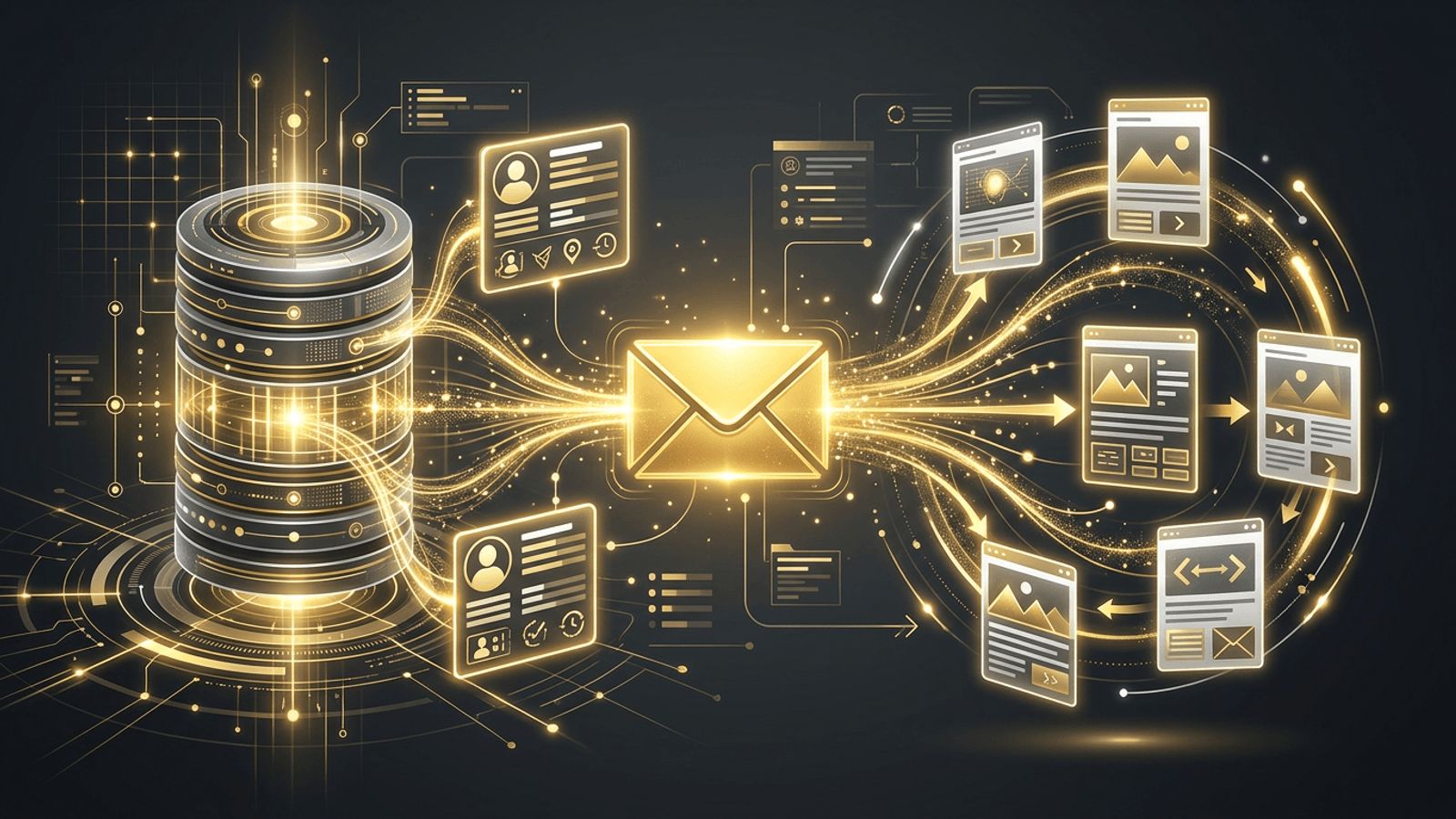
Creating great content is only half of content marketing; the other half is getting that content in front of the right people at the right moment. That is where an email service provider (ESP) and a customer relationship management (CRM) system come in. An ESP handles the sending, automation, and tracking of email, while a CRM stores and organizes everything you know about your contacts. When these two systems work together, they transform generic content distribution into personalized, data-driven communication that nurtures prospects and strengthens customer relationships.
How AAMAX.CO Connects Content, Email, and Customer Data
Integrating an ESP and CRM into a content strategy requires both technical setup and strategic planning. AAMAX.CO is a full-service digital marketing company offering web development, digital marketing, and SEO services worldwide. They help businesses connect their content, email, and customer data so every message is relevant and measurable. Through digital marketing consultancy, their team designs segmentation strategies, nurture workflows, and reporting frameworks that turn content into a consistent pipeline of engaged leads and loyal customers.
What Is an ESP?
An email service provider is a platform that allows businesses to create, send, and analyze email campaigns. Core ESP features include email templates and builders, list management, automation workflows, A/B testing, deliverability tools, and performance analytics such as open rates, click-through rates, and unsubscribes. In content marketing, the ESP is the delivery vehicle that brings blog posts, guides, videos, and announcements directly into subscribers' inboxes.
What Is a CRM?
A customer relationship management system is a centralized database of contacts and their interactions with your business. It records details like company, role, lifecycle stage, purchase history, website activity, sales conversations, and support tickets. A CRM gives marketing and sales teams a complete view of each relationship, helping them understand where every contact stands and what they might need next.
Why ESP and CRM Integration Matters
On their own, each tool is useful. Together, they become far more powerful. The CRM supplies rich data about who each contact is and how they have engaged, while the ESP uses that data to send targeted content and then feeds engagement results back into the CRM. This two-way flow of information creates a continuous loop of learning and personalization.
Use 1: Audience Segmentation
Segmentation is the foundation of relevant content distribution. Using CRM data, marketers can group contacts by industry, job title, location, interests, lifecycle stage, or past behavior. The ESP then sends each segment content tailored to their needs. A finance director might receive an ROI-focused case study, while a technical manager receives an implementation guide. This relevance leads to higher engagement and stronger trust.
Use 2: Lead Nurturing Workflows
Most prospects need time and information before they buy. Automated nurture sequences deliver a series of educational content pieces based on a contact's interests and actions. For example, someone who downloads an e-book on a specific topic can automatically receive related articles, a webinar invitation, and eventually a case study. The CRM tracks progress, and when a lead shows strong buying signals, the sales team is alerted to follow up.
Use 3: Personalization at Scale
Personalization goes beyond inserting a first name. With CRM data, ESPs can dynamically change content blocks, recommendations, and calls to action based on each recipient's profile. Contacts in different industries can see different examples, and customers can see content related to products they already use. This level of personalization makes emails feel helpful rather than promotional.
Use 4: Lead Scoring and Sales Alignment
Every content interaction provides a signal. Opening emails, clicking links, visiting pricing pages, and attending webinars can all contribute to a lead score stored in the CRM. When a lead reaches a certain threshold, it is passed to sales with full context about which content it consumed. Sales reps can then tailor conversations based on the prospect's demonstrated interests.
Use 5: Customer Retention and Upselling
Content marketing does not stop at conversion. ESPs and CRMs help businesses deliver onboarding sequences, product education, feature announcements, and loyalty content to existing customers. By tracking product usage and purchase history in the CRM, marketers can identify upsell opportunities and send relevant content that encourages expansion and renewal.
Use 6: Measuring Content ROI
One of the greatest challenges in content marketing is proving its impact on revenue. When ESP engagement data flows into the CRM and connects with deal records, marketers can see which content pieces influenced opportunities and closed sales. This attribution helps teams invest in the content types and topics that genuinely drive business results.
Best Practices for Using ESP and CRM Together
- Keep data clean: Regularly remove duplicates, update fields, and maintain consistent naming conventions.
- Respect consent: Follow privacy regulations and provide clear subscription preferences.
- Start simple: Launch a few core segments and workflows before building complex automations.
- Align with sales: Agree on lead definitions, scoring criteria, and handoff processes.
- Test continuously: Experiment with subject lines, content formats, and send times.
- Review reporting: Use combined data to refine content topics and distribution strategies.
Common Challenges
Integration issues, inconsistent data, and siloed teams can limit the value of these tools. Overcoming these challenges requires clear ownership, documented processes, and regular audits of data quality. Choosing platforms with native integrations or reliable connectors also simplifies the process significantly.
Conclusion
An ESP and CRM are essential partners in modern content marketing. The CRM provides deep insight into who your contacts are, while the ESP delivers targeted, personalized content and tracks how people respond. Together, they enable segmentation, nurturing, lead scoring, retention, and measurable ROI. Businesses that integrate these tools thoughtfully can deliver content that feels personal, timely, and genuinely valuable to every recipient.
Want to publish a guest post on aamconsultants.org?
Place an order for a guest post or link insertion today.