
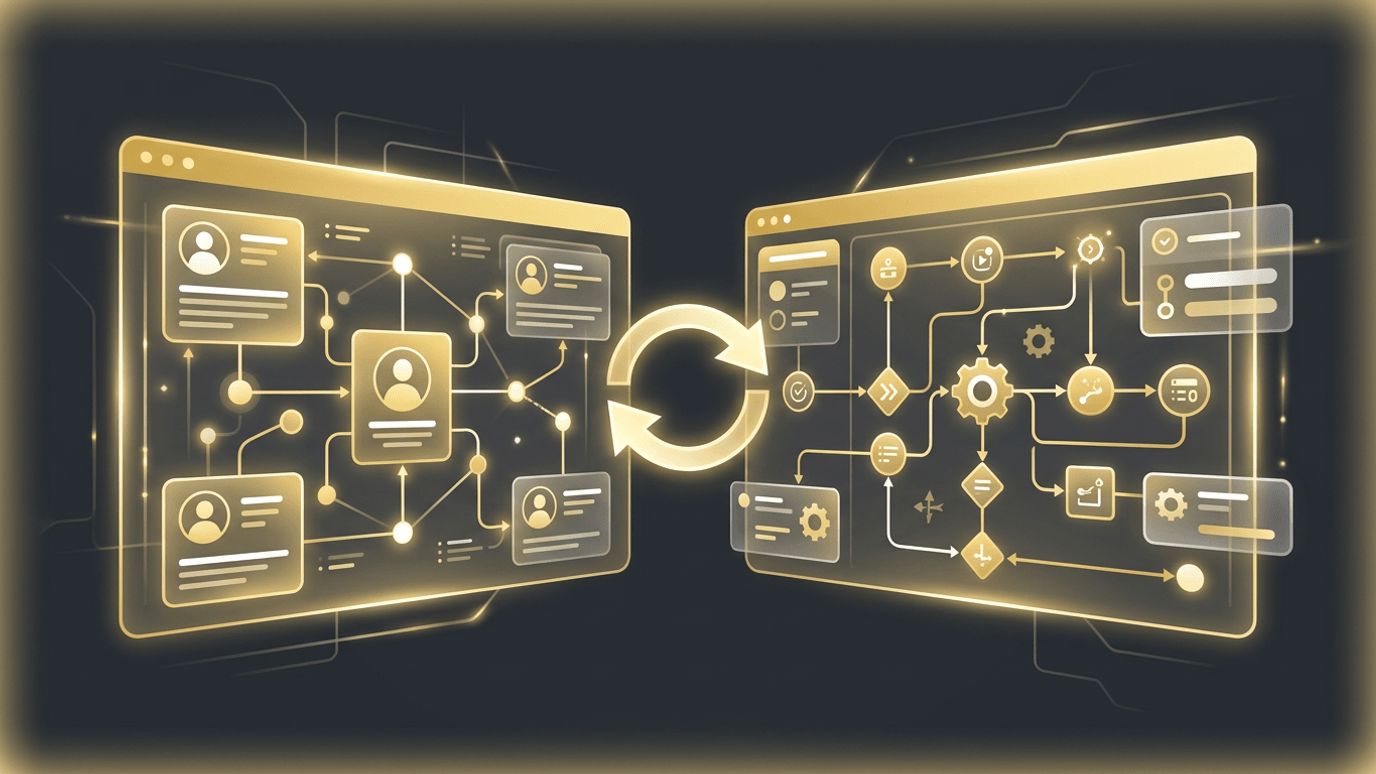
As businesses grow, managing customer relationships and marketing campaigns manually becomes impossible. Two categories of software help solve this challenge: customer relationship management (CRM) tools and marketing automation platforms. They are often mentioned together, and many vendors offer both, which can make the distinction confusing. Understanding how CRM tools compare to marketing automation platforms helps businesses choose the right technology, avoid overlapping costs, and build systems that support the entire customer journey.
How AAMAX.CO Helps Businesses Connect CRM and Marketing Systems
Technology delivers the most value when it is properly integrated and aligned with strategy. AAMAX.CO is a full-service digital marketing company offering web development, digital marketing, and SEO services worldwide. They help businesses connect websites, lead capture forms, and marketing campaigns with CRM and automation platforms so data flows seamlessly. Their team builds strategies that turn website visitors into leads, nurture them effectively, and hand them off to sales with complete context, helping businesses maximize the value of their technology investments.
What Is a CRM Tool?
A CRM tool is software designed to manage interactions with customers and prospects. It serves as a centralized database of contacts, companies, communication history, deals, and tasks. CRM systems are primarily used by sales and customer service teams to track relationships, manage pipelines, forecast revenue, and ensure no opportunity falls through the cracks.
Popular CRM tools include Salesforce, HubSpot CRM, Zoho CRM, Pipedrive, and Microsoft Dynamics 365.
What Is a Marketing Automation Platform?
A marketing automation platform helps marketing teams automate repetitive tasks and deliver personalized campaigns at scale. It manages email campaigns, lead nurturing workflows, lead scoring, landing pages, forms, and audience segmentation. Its primary goal is to attract, engage, and nurture leads until they are ready for sales.
Popular marketing automation platforms include HubSpot Marketing Hub, Marketo Engage, Salesforce Marketing Cloud Account Engagement, ActiveCampaign, and Klaviyo.
Key Differences Between CRM and Marketing Automation
Primary users: CRM tools are used mainly by sales and customer service teams, while marketing automation platforms are used by marketing teams.
Focus: CRM focuses on managing relationships and closing deals with known contacts. Marketing automation focuses on generating and nurturing leads, often before they are ready to talk to sales.
Funnel stage: Marketing automation typically handles the top and middle of the funnel, including awareness and consideration. CRM manages the bottom of the funnel and post-sale relationships.
Core features: CRM includes pipeline management, deal tracking, sales forecasting, and task management. Marketing automation includes email workflows, lead scoring, segmentation, campaign analytics, and landing page builders.
Communication style: CRM supports one-to-one interactions like sales calls and personalized emails. Marketing automation enables one-to-many communication at scale.
Where They Overlap
Many modern platforms blur the lines. CRM tools increasingly include basic email marketing and automation features, while marketing automation platforms offer contact management. All-in-one platforms like HubSpot combine both, providing a unified view of the customer across marketing, sales, and service. Both systems store contact data and track engagement, making integration essential.
Why Integration Matters
When CRM and marketing automation work together, businesses gain powerful benefits:
- Seamless lead handoff: Qualified leads move automatically from marketing to sales.
- Complete customer view: Sales sees marketing engagement history, and marketing sees deal outcomes.
- Better lead scoring: Combined data improves qualification accuracy.
- Closed-loop reporting: Marketing can measure which campaigns generate actual revenue.
- Personalized experiences: Messaging adapts based on both marketing and sales interactions.
- Sales and marketing alignment: Both teams work from shared data and goals.
Which One Does Your Business Need?
Small businesses with simple sales processes may start with a CRM that includes basic marketing features. Companies focused on generating and nurturing large volumes of leads will benefit from dedicated marketing automation. Growing businesses with complex sales cycles typically need both, either as integrated tools or an all-in-one platform.
Consider your sales cycle length, lead volume, team size, budget, and growth plans. Businesses that are unsure which setup fits best often benefit from digital marketing consultancy to evaluate options objectively.
Feeding the System With Quality Leads
Neither CRM nor marketing automation creates demand on its own. These tools manage and nurture leads that come from marketing channels. Strong search engine optimization, paid advertising, content, and social media marketing fill the top of the funnel with prospects. The better the incoming leads, the more value businesses gain from their CRM and automation investments.
Common Mistakes to Avoid
Businesses often buy more software than they need, fail to integrate systems, or neglect data quality. Duplicate records, inconsistent fields, and poor adoption by teams reduce effectiveness. Start with clear goals, choose tools that fit your processes, invest in proper setup and training, and maintain clean data.
Conclusion
CRM tools and marketing automation platforms serve different but complementary purposes. CRM manages relationships, pipelines, and sales activities, while marketing automation attracts, nurtures, and scores leads at scale. Used together and properly integrated, they create a seamless customer journey from first interaction to closed deal and beyond. Choosing the right combination and feeding it with high-quality leads can significantly improve efficiency, alignment, and revenue growth.
Want to publish a guest post on aamconsultants.org?
Place an order for a guest post or link insertion today.