
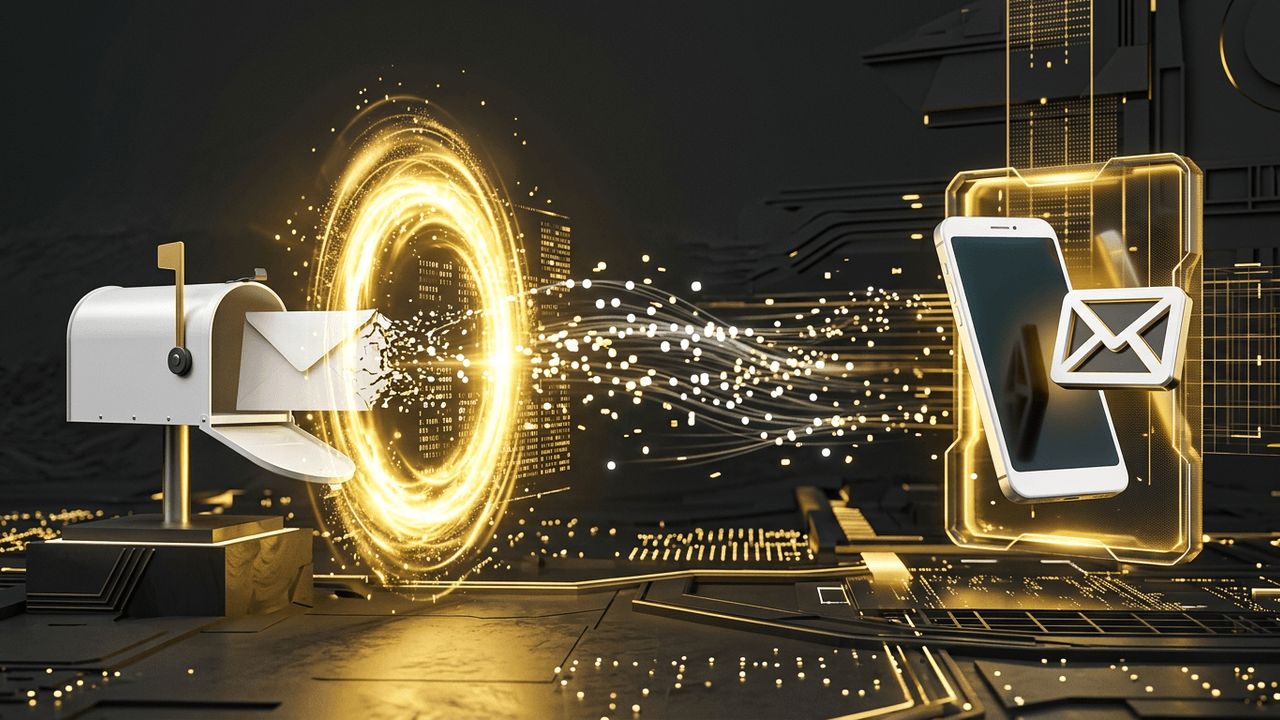
Direct mail may seem old-fashioned in a digital world, but it remains one of the most memorable marketing channels. Physical mail stands out in a way that crowded inboxes and social feeds often cannot. The real opportunity, however, lies in connecting direct mail with digital marketing journeys. When print pieces work alongside email, ads, websites, and automation, they create cohesive, multi-touch experiences that drive higher engagement and conversions. This article explains how to connect direct mail to digital marketing journeys and measure the results.
How AAMAX.CO Helps Integrate Direct Mail With Digital Campaigns
Bridging offline and online channels requires coordinated strategy, tracking, and technology. AAMAX.CO is a full service digital marketing company offering web development, digital marketing, and SEO services worldwide. They build personalized landing pages for mail recipients, set up tracking that connects print responses to digital analytics, and design automated follow-up journeys across email, social, and search. Their team ensures every touchpoint tells a consistent story. Businesses looking to modernize direct mail as part of a unified strategy can hire AAMAX.CO for comprehensive digital marketing services.
Why Connect Direct Mail and Digital Marketing?
Direct mail offers tangibility and high attention, while digital channels offer speed, interactivity, and measurability. Combining them creates multiple reinforcing touchpoints. A prospect who receives a postcard, sees a matching social ad, and gets a follow-up email is far more likely to remember the brand and take action than someone exposed to only one channel.
1. Use QR Codes and Personalized URLs
QR codes and personalized URLs are the most direct bridges between print and digital. A QR code on a mailer can lead recipients to a landing page, product page, video, or booking form. Personalized URLs, which include the recipient's name or a unique code, create a tailored experience and allow precise tracking of who responded.
2. Build Dedicated Landing Pages
Send mail recipients to landing pages designed specifically for the campaign. These pages should match the mailer's design, message, and offer to create a seamless transition. Include clear calls to action and forms that capture responses, feeding data into your CRM or automation platform.
3. Trigger Direct Mail From Digital Behavior
Modern direct mail platforms integrate with marketing automation and CRM systems, allowing mail to be triggered by digital actions. For example, an abandoned cart might trigger a postcard with a discount, a high-scoring lead might receive a premium brochure, or a lapsed customer might receive a win-back offer. Triggered mail arrives at highly relevant moments.
4. Coordinate With Email Campaigns
Email works well before and after direct mail. A pre-mail email can build anticipation, while follow-up emails can remind recipients of the offer and provide a direct link to act. Coordinated timing reinforces the message and increases response rates.
5. Align With Paid Digital Advertising
Upload your mailing list to advertising platforms to create matched audiences. Recipients can then see digital ads featuring the same offer on social media and search. This approach, sometimes called informed delivery or omnichannel retargeting, keeps the campaign top of mind. Coordinating with social media marketing and search campaigns amplifies reach.
6. Use Unique Offer Codes
Include unique promo codes on direct mail pieces that recipients can redeem online or in store. These codes make it easy to attribute sales to the mail campaign and compare performance across segments or creative variations.
7. Personalize Using Digital Data
Use data from your CRM, website, and email engagement to personalize mail content. Variable data printing allows each piece to feature relevant products, local store information, or personalized messages based on customer behavior and preferences.
8. Track and Attribute Results
Connecting direct mail to digital journeys allows better measurement. Track QR scans, personalized URL visits, promo code redemptions, and landing page conversions. Use UTM parameters on all links so analytics platforms capture mail-driven traffic. Compare matched-back sales from mailed audiences against control groups to measure incremental lift.
9. Support Search Visibility
Many mail recipients search for the brand rather than typing a URL or scanning a code. Strong search engine optimization and branded search ads ensure these prospects find you easily and land on the right page.
Best Practices
Maintain consistent design and messaging across print and digital. Keep calls to action simple. Test different formats, offers, and timing. Clean mailing data to reduce waste. Respect privacy preferences and comply with regulations for both physical and digital communications. Start with a focused pilot campaign, measure carefully, and scale what works.
Frequently Asked Questions
Is direct mail still effective in 2026? Yes. Physical mail stands out because inboxes and feeds are crowded. Its effectiveness increases significantly when combined with digital follow-up and trackable response paths.
What is the easiest way to start connecting mail and digital? Begin with a single campaign that uses a QR code linked to a dedicated landing page, a unique offer code, and a follow-up email. This simple setup provides clear measurement and a foundation to expand from.
Conclusion
Connecting direct mail to digital marketing journeys combines the attention-grabbing power of print with the precision and measurability of digital. By using QR codes, personalized URLs, dedicated landing pages, triggered mail, coordinated email and ads, unique offer codes, and robust tracking, businesses can create integrated experiences that drive stronger engagement, higher conversions, and clear insight into results.
Want to publish a guest post on aamconsultants.org?
Place an order for a guest post or link insertion today.