
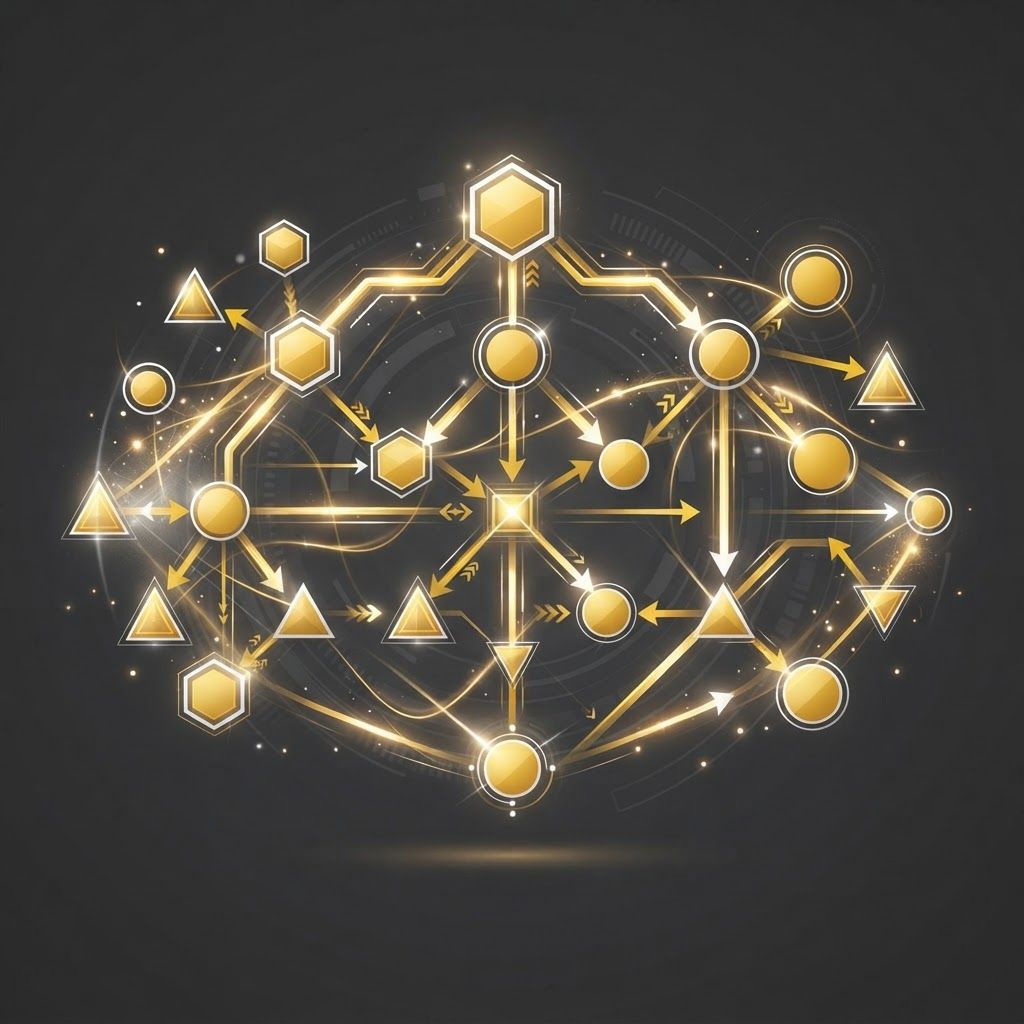
Understanding Internal Links
Internal links are hyperlinks that point from one page on your website to another page on the same website. While they may seem simple, internal links are one of the most powerful and underused tools in search engine optimization. They form the structural backbone of your website, connecting content in ways that help both users and search engines navigate and understand your site. A thoughtful internal linking strategy can improve rankings, increase the time visitors spend on your site, and guide people toward the pages that matter most to your business.
Unlike backlinks, which come from other websites and can be difficult to earn, internal links are entirely within your control. You decide which pages to connect, what anchor text to use, and how authority flows through your site. This makes internal linking one of the most accessible and cost-effective SEO tactics available to any website owner.
How AAMAX.CO Can Help With SEO
AAMAX.CO is a full service digital marketing company providing web development, digital marketing, and search engine optimization services worldwide. Designing an internal linking structure that supports both users and search engines requires a clear understanding of site architecture and content strategy, and their team specializes in exactly that. They map out how pages should connect, identify high-value pages that deserve more link equity, and build structures that help websites rank more effectively. For businesses that want their site architecture to work as hard as their content, they offer expert planning and implementation you can explore at their website.
Helping Search Engines Crawl Your Site
Search engines discover content by following links. When a search engine crawler visits your website, it follows internal links to move from page to page, discovering and indexing your content along the way. If a page has no internal links pointing to it, crawlers may struggle to find it, and it may never appear in search results. A strong internal linking structure ensures that every important page is reachable within a few clicks from your homepage, making it easy for crawlers to find and index your content.
Internal links also help search engines understand the relationships between pages and the overall structure of your site. When you link related pages together, you signal that they belong to the same topic, which helps search engines grasp the context and depth of your content. This topical clustering can strengthen your authority on a subject and improve rankings across related pages.
Distributing Authority Across Pages
One of the most important functions of internal links is distributing authority, sometimes called link equity, throughout your website. When a page earns backlinks from other sites, it gains authority. Internal links allow you to pass some of that authority to other pages on your site. By linking from a high-authority page to a page you want to boost, you help that target page rank better.
This means you can strategically direct authority toward your most important pages, such as key service pages, cornerstone content, or products you want to promote. Without internal links, authority stays trapped on individual pages instead of flowing through your site where it can do the most good. Thoughtful internal linking ensures your strongest pages lift the rest of your site along with them.
Improving User Experience and Engagement
Internal links are not only for search engines; they significantly improve the experience for human visitors. When readers finish an article, relevant internal links guide them to related content that answers their next question or deepens their understanding. This keeps users engaged, increases the number of pages they view, and extends the time they spend on your site, all of which are positive signals that your content is valuable.
Well-placed internal links also help users find exactly what they need without frustration. A visitor who lands on a blog post might follow a link to a related service page, moving them closer to becoming a customer. In this way, internal links do more than support SEO; they actively guide visitors along the journey you want them to take, which is a key goal of any digital marketing effort.
Using Anchor Text Wisely
Anchor text, the clickable words in a link, gives search engines context about the page being linked to. Using descriptive, relevant anchor text helps search engines understand what the destination page is about, which can improve its rankings for related terms. Avoid generic phrases like click here, and instead use natural, keyword-relevant text that accurately describes the linked content. At the same time, keep it natural and avoid over-optimizing every link with exact-match keywords, which can look manipulative.
Best Practices for Internal Linking
To build an effective internal linking strategy, focus on linking related content together in ways that genuinely help the reader. Ensure your most important pages receive plenty of internal links, and keep your site structure shallow enough that key pages are only a few clicks from the homepage. Add links naturally within your content where they add value, rather than forcing them in. Regularly audit your site to find orphaned pages that lack internal links and broken links that create dead ends. Keeping your linking structure clean and purposeful maximizes both crawlability and user satisfaction.
Final Thoughts
Internal links are a foundational element of SEO that many website owners overlook. They help search engines crawl and understand your site, distribute authority to your most important pages, and guide users toward valuable content and conversions. Because you have complete control over them, internal links offer one of the highest-impact, lowest-cost opportunities to improve your search performance. Building a truly strategic internal linking structure takes planning and ongoing maintenance, which is why many businesses turn to experienced professionals to get it right.
Want to publish a guest post on aamconsultants.org?
Place an order for a guest post or link insertion today.