
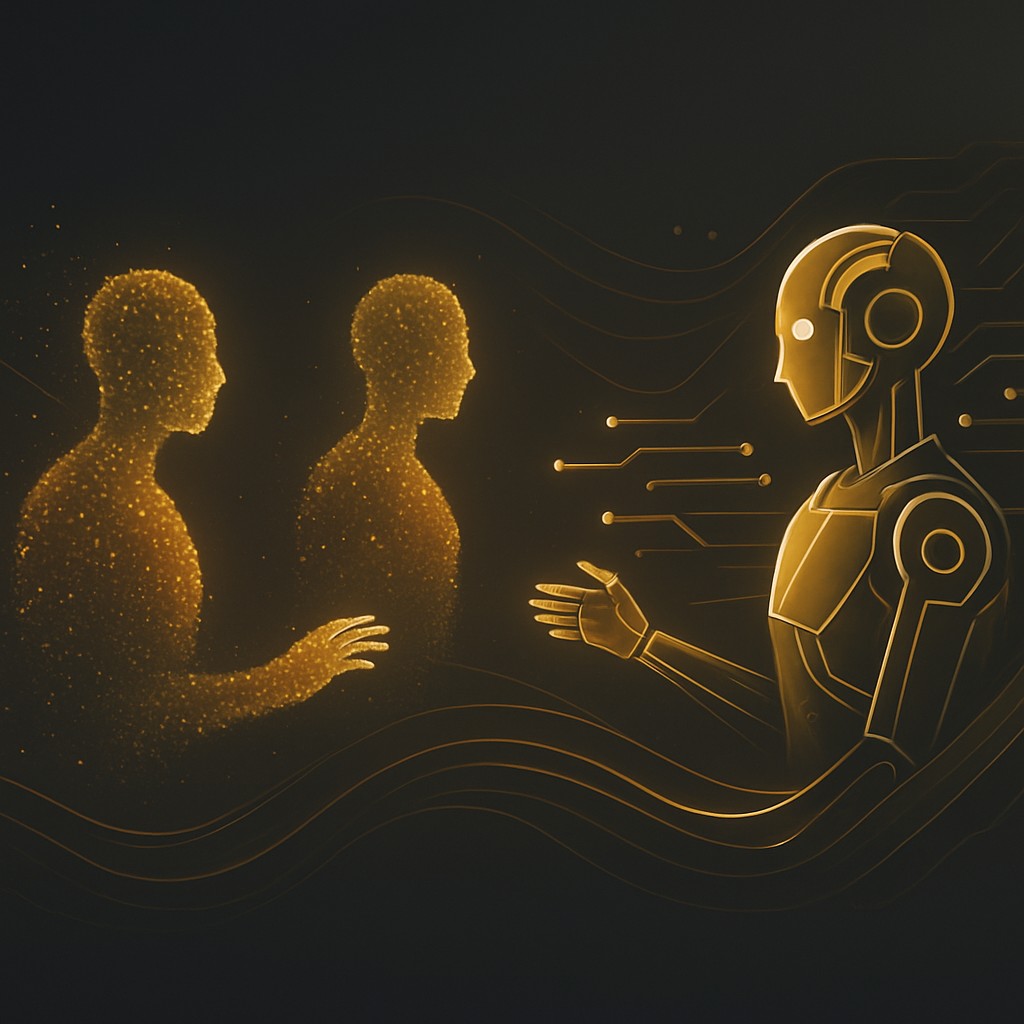
Few topics spark as much debate as the effect of artificial intelligence on jobs. Some fear widespread unemployment, while others predict a wave of new opportunities. The reality is more nuanced. AI is reshaping the job market by automating routine tasks, augmenting human capabilities, and creating roles that did not exist a few years ago. Understanding these dynamics helps workers, businesses, and policymakers prepare for a future where humans and machines increasingly work side by side.
How AAMAX.CO Helps Businesses Navigate the AI Shift
As AI reshapes industries, companies need partners who understand both the technology and the market. AAMAX.CO is a full-service digital marketing company serving clients worldwide, helping businesses adapt to the AI era through modern strategy and execution. Whether a company needs to modernize its online presence with website development or strengthen its digital marketing, their team helps organizations stay competitive as AI transforms how work gets done.
Automation of Routine Tasks
The most immediate effect of AI is the automation of repetitive, rule-based tasks. Data entry, basic customer service, scheduling, and simple analysis can now be handled by software. This shift increases efficiency and reduces costs, but it also means some roles built around routine work will shrink. Workers in these positions face the greatest pressure to adapt, though automation rarely eliminates entire jobs overnight.
Augmentation Rather Than Replacement
For many professions, AI augments rather than replaces human workers. Doctors use AI to analyze scans more accurately, lawyers use it to review documents faster, and marketers use it to generate ideas and insights. In these cases, AI acts as a powerful assistant that handles tedious work, allowing professionals to focus on judgment, creativity, and human connection. The result is often higher productivity and more rewarding work.
Creation of New Roles
History shows that technological revolutions create new jobs even as they eliminate others, and AI is no exception. Demand is rising for roles such as AI trainers, data scientists, machine learning engineers, prompt specialists, and AI ethics experts. Entirely new industries are forming around AI tools and services, generating opportunities that did not exist before. Many of tomorrow's most common jobs have not yet been invented.
Shifting Skill Requirements
As AI handles more routine work, the skills that command value are changing. Technical literacy, data analysis, and the ability to work alongside AI tools are increasingly important. At the same time, uniquely human skills such as critical thinking, creativity, emotional intelligence, and complex problem solving become more valuable, since these are the areas where humans still outperform machines. Lifelong learning is now essential for career resilience.
Impact Across Industries
AI's effects vary widely by sector. Manufacturing and logistics see significant automation of physical and repetitive tasks. Knowledge industries like finance, marketing, and law experience augmentation of analytical work. Creative fields use AI as a collaborative tool, while healthcare and education adopt AI to extend the reach of skilled professionals. Understanding how AI affects a specific industry helps workers anticipate change and position themselves wisely.
The Importance of Reskilling
Reskilling and upskilling are central to thriving in an AI-driven economy. Workers who proactively learn new tools and develop adaptable skills will find more opportunities than those who resist change. Businesses also benefit from investing in employee training, retaining valuable institutional knowledge while building AI-ready teams. Governments and educational institutions play a key role in making reskilling accessible to all.
Balancing Opportunity and Disruption
The transition to an AI-powered economy brings both opportunity and disruption, and managing this balance is crucial. While productivity and innovation may surge, displaced workers need support to find new paths. Thoughtful policies, corporate responsibility, and a culture of continuous learning can help ensure that the benefits of AI are broadly shared rather than concentrated among a few.
Conclusion
AI is profoundly affecting the job market, automating some tasks, augmenting others, and creating new roles and industries. Rather than a simple story of job loss, it is a story of transformation that rewards adaptability and human skills. Workers who embrace lifelong learning and businesses that invest in their people will be best positioned to thrive. The future belongs to those who learn to collaborate with AI rather than compete against it.
Want to publish a guest post on aamconsultants.org?
Place an order for a guest post or link insertion today.