
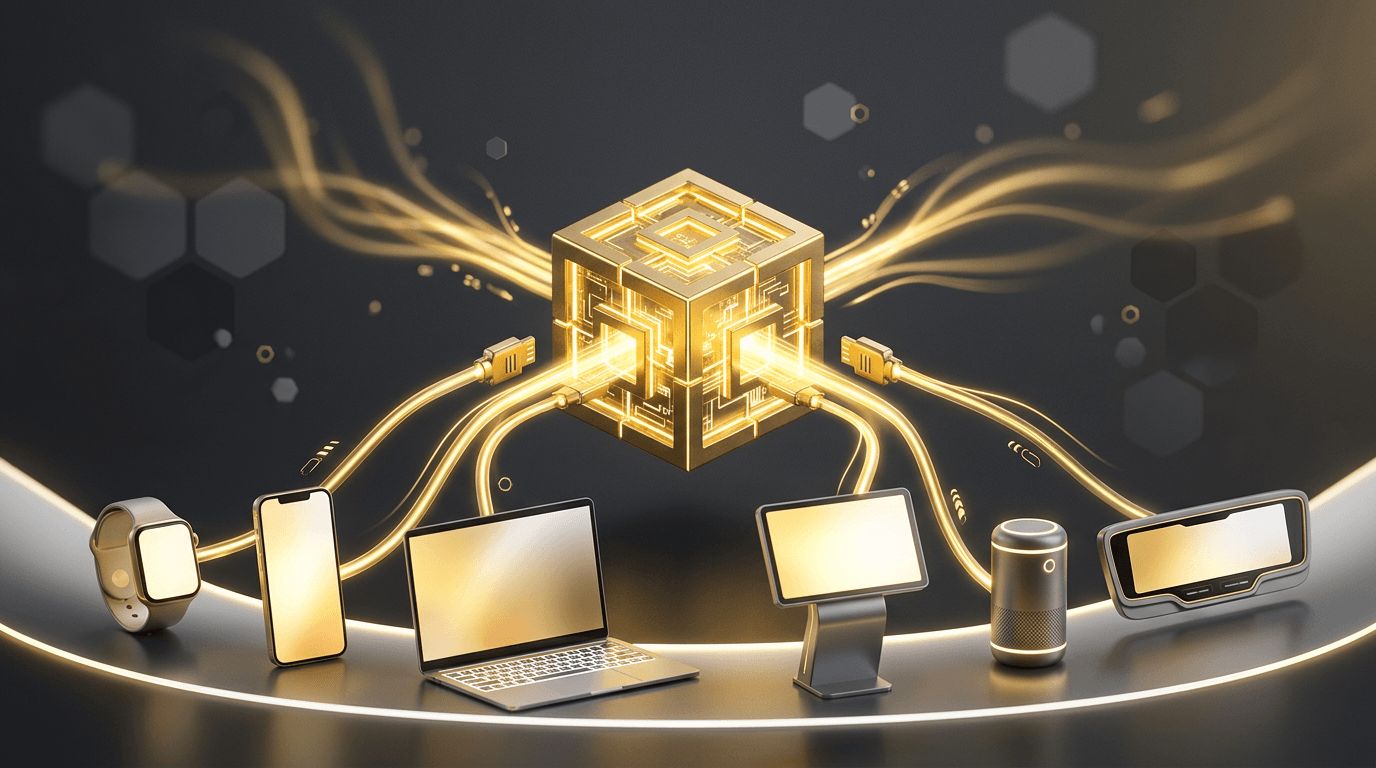
Customers today interact with brands across an expanding range of touchpoints: websites, mobile apps, social platforms, email, smart speakers, in-store kiosks, wearable devices, and even connected cars. They expect a seamless, consistent experience no matter where they engage. Delivering that experience is challenging with traditional, monolithic technology platforms that tightly couple content with a single website front end. Headless architecture offers a solution. By separating content and commerce functionality from the presentation layer, headless systems allow brands to deliver content anywhere, quickly and consistently. This article explains how headless technology enables omnichannel marketing and why it is becoming a strategic priority.
How AAMAX.CO Builds Headless Solutions for Omnichannel Growth
Brands that want to modernize their technology for omnichannel marketing often hire AAMAX.CO, a full-service digital marketing company offering web development, digital marketing, and SEO services worldwide. Their developers build fast, flexible headless websites and integrate content management systems, commerce engines, and marketing tools through APIs. At the same time, their marketers ensure that headless implementations support strong search engine optimization, tracking, and personalization. This combination of technical and marketing expertise ensures headless projects deliver business results, not just new technology.
What Is Headless Architecture?
In a traditional content management system, the back end, where content is stored and managed, is tightly connected to the front end, which displays content on a website. This "head" determines how content appears. Headless architecture removes this coupling. Content is stored in a headless CMS or commerce platform and delivered through APIs to any front end, whether it is a website, mobile app, digital sign, or voice assistant. Developers can build each front end using the best technology for that channel, while marketers manage content in one central place.
What Is Omnichannel Marketing?
Omnichannel marketing creates a unified customer experience across all channels. Unlike multichannel marketing, where channels operate independently, omnichannel strategies ensure that messaging, branding, and customer data are connected. A customer who browses a product on a mobile app should see consistent information on the website, receive relevant follow-up emails, and enjoy a familiar experience in-store. Omnichannel marketing builds stronger relationships and drives higher customer lifetime value.
Centralized Content, Distributed Everywhere
The most significant way headless enables omnichannel marketing is through centralized content management. Marketers create content once, such as product descriptions, images, promotional banners, and articles, and publish it across every channel through APIs. This "create once, publish everywhere" model ensures consistency, reduces duplication, and speeds up campaign launches. When a promotion changes, updating it in one place updates it across all touchpoints.
Faster Time to Market for New Channels
New channels emerge constantly. With traditional platforms, adding a new channel often requires rebuilding content or custom integrations. Headless architecture makes it easier to extend content to new touchpoints because the content is already available through APIs. Brands can launch new apps, experiment with emerging devices, or enter new marketplaces without overhauling their back-end systems.
Better Performance and User Experience
Headless front ends are often built with modern frameworks that deliver exceptional speed and interactivity. Faster websites improve user experience, reduce bounce rates, and support better search rankings. Developers have the freedom to design tailored experiences for each channel, such as app-like interactions on mobile or simplified interfaces for kiosks, while drawing from the same content source.
Personalization Across Touchpoints
Headless systems integrate easily with customer data platforms, personalization engines, and marketing automation tools. This connectivity allows brands to deliver personalized content based on user behavior, preferences, and location across every channel. A returning customer might see personalized product recommendations on the website, receive tailored push notifications in the app, and get relevant offers by email, all powered by the same data and content infrastructure.
Flexibility to Choose Best-of-Breed Tools
Headless architecture supports a composable approach, where businesses select the best tools for each function, such as content management, commerce, search, and analytics, and connect them through APIs. This flexibility allows marketing teams to adopt new technologies without replacing their entire platform, keeping their stack modern and competitive.
Considerations Before Going Headless
- Technical resources: Headless implementations require experienced developers.
- Editor experience: Choose a CMS with strong preview and visual editing tools for marketers.
- SEO planning: Ensure server-side rendering, metadata management, and structured data are implemented correctly.
- Integration strategy: Plan how analytics, personalization, and automation tools will connect.
- Total cost: Factor in development, hosting, and ongoing maintenance.
Measuring Omnichannel Success on a Headless Stack
Because headless systems serve content to many front ends, measurement must be planned deliberately. Implement a consistent event-tracking framework across every channel so that interactions on the website, app, and other touchpoints feed into the same analytics environment. Track metrics such as cross-channel conversion rates, content reuse, time to publish campaigns, and customer lifetime value. These insights reveal how effectively the headless architecture supports omnichannel goals and where further optimization is needed.
Conclusion
Headless architecture enables omnichannel marketing by centralizing content, distributing it seamlessly across channels, accelerating time to market, improving performance, and supporting personalization. For brands that want to deliver consistent, engaging experiences wherever customers interact, headless technology provides a flexible and future-ready foundation. With careful planning and the right expertise, businesses can use headless systems to build stronger customer relationships and drive growth.
Want to publish a guest post on aamconsultants.org?
Place an order for a guest post or link insertion today.